Aruma Resources is expanding its footprint around a copper-silver project in Canada just as drilling begins to demonstrate greater continuity in the mineralised system. The latest acquisition adds another exploration target to its growing Tillex portfolio, but the bigger question is whether Aruma can turn an expanding land position into an economically meaningful mineral discovery before funding pressures become an obstacle.
Key numbers
- 3.2km: Approximate interpreted length of the broader Tillex copper-silver trend following the latest acquisition.
- 230 metres: Continuous strike length of the high-grade mineralised zone demonstrated by recent Phase 2 drilling.
- 38.58 metres at 1.69% copper and 4.82 grams per tonne silver: A significant intersection reported from drill hole TX26-012.
- A$3.5 million: Equity placement announced in August to support accelerated exploration.
- A$788,658: Cash reported at 30 June 2026, before the subsequent placement proceeds.
The latest development
Aruma's 27 October announcement concerns the acquisition of a 90% interest in a patented mineral right at its Tillex Copper-Silver Project in Ontario's Timmins mining district. The additional ground extends the interpreted mineralised trend by approximately 760 metres, taking its potential length to around 3.2km.
The acquisition builds on the company's September expansion, when it added 32 contiguous mineral claims covering approximately 9.8 square kilometres. The strategy is to consolidate ground around a growing exploration target rather than pursue isolated discoveries across disconnected properties.
The distinction matters. A longer prospective trend gives Aruma more opportunities to identify mineralised extensions, but it does not establish that copper and silver occur continuously across the entire area. Nor does it demonstrate that any discovery would support commercial mining.
The latest acquisition is therefore an exploration opportunity, not yet an increase in a defined economic mineral resource.
What stands out to us
The strongest part of Aruma's story is the combination of encouraging drilling results and a larger exploration footprint. Hole TX26-012 returned a broad copper-silver intersection, while mineralisation remains open in multiple directions. These results support further drilling, although isolated high-grade intervals cannot establish the size, continuity or economics of a future deposit.
The acquisition is relatively inexpensive at CDN$30,000, but the 0.75% net smelter return royalty creates a future cost if production eventually proceeds. More importantly, acquiring ground is not the same as creating value. The next challenge is demonstrating that additional drilling can establish a coherent mineral resource.
What the company is doing now
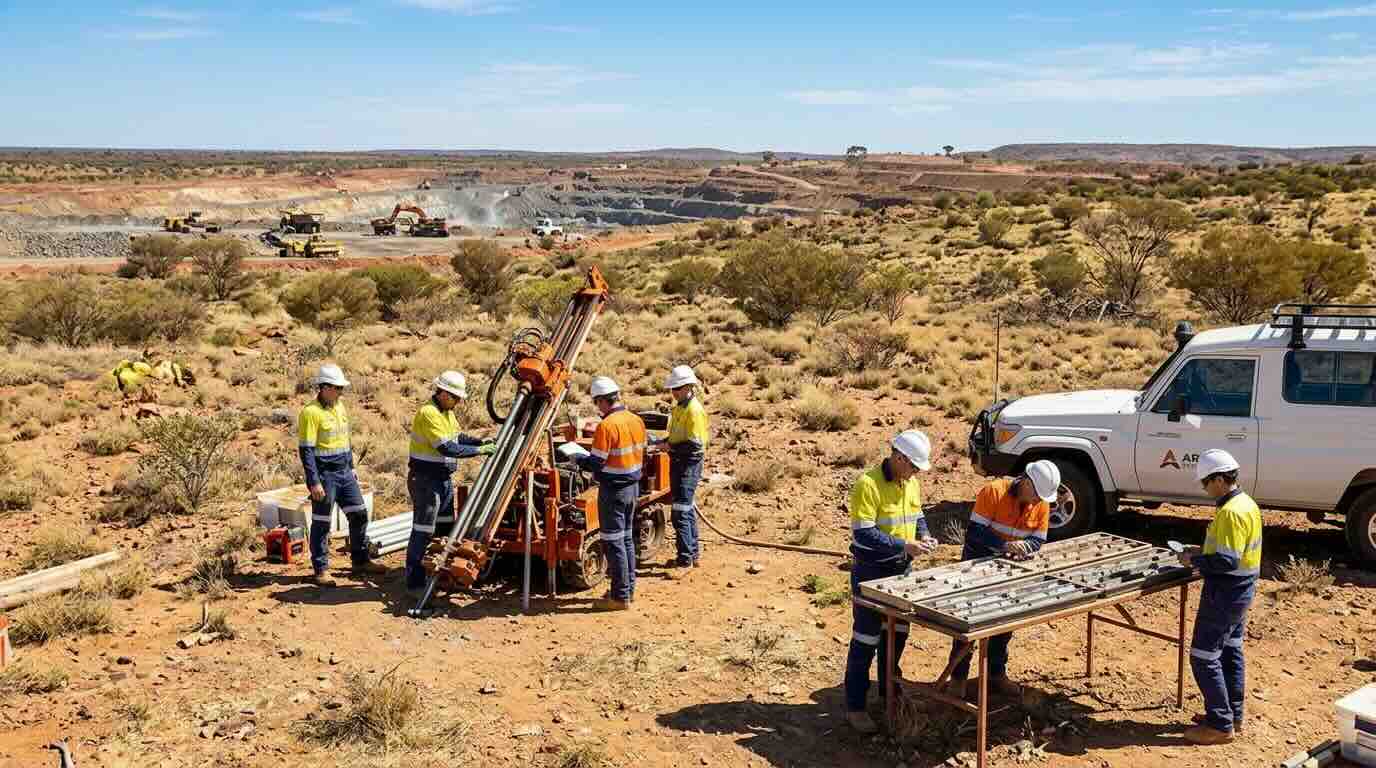
Aruma is concentrating its exploration efforts on Tillex, using a 3,600-metre Phase 2 diamond drilling programme to test extensions of the mineralised zone. Results reported on 22 October extended the continuous high-grade zone to approximately 230 metres, with further assays pending from drilling targeting another 130 metres to the south-west.
The company has also expanded its landholding and secured funding through an A$3.5 million equity placement announced in August. This provides additional capacity to pursue exploration, although the placement also increases the number of shares competing for any future project value.
Financial discipline remains important. Aruma reported a net loss of approximately A$2.71 million for the year ended June 2026 and cash of A$788,658 at year-end. The subsequent placement materially changes the funding picture, but the latest quarterly cash flow report, due on 28 October, should provide a clearer view of its remaining resources and spending rate.
Insight: Can Tillex deliver a discovery that justifies further funding?
We see genuine exploration potential in Aruma's expanding Tillex position, particularly because recent drilling has demonstrated broad copper-silver mineralisation rather than relying solely on historical targets. However, the investment case remains speculative: the company has no established economic resource at Tillex, and exploration success has yet to translate into operating cash flow. Our assessment would strengthen if upcoming assays confirm continuity across a larger area and subsequent work supports a credible resource estimate. Until then, funding needs and potential dilution remain central risks.


 Mark Elzayed•





