Woodside Energy (ASX: WDS) is approaching a pivotal moment, with its Scarborough LNG project 99% complete and first LNG cargo targeted for the December quarter of 2026. At the same time, the company has agreed to sell its participating interest in Greater Sunrise to TIMOR GAP for consideration of up to A$200 million, signalling a sharper focus on its major growth projects. The question is whether Woodside can turn its expanding LNG capacity and portfolio changes into stronger, sustainable cash flow.
Key numbers
- US$4.28 billion: Third-quarter operating revenue, up 27% year on year.
- 46.2 million boe: Quarterly production, up 12% quarter on quarter but down 9% year on year.
- US$84 per boe: Realised LNG price, up 27% quarter on quarter.
- 99%: Scarborough project completion, with first LNG cargo targeted for 2026.
- Up to A$200 million: Consideration for the proposed Greater Sunrise sale, targeted to complete in the first half of 2027.
The latest development
Woodside's third-quarter report showed revenue increasing from US$3.36 billion to US$4.28 billion year on year. However, production declined from 50.8 million boe to 46.2 million boe, while output for the first nine months fell 11% to 132.7 million boe.
Higher realised prices supported revenue despite weaker production. Woodside's average realised price across its products rose 40% year on year to US$84 per boe, while its realised LNG price increased 27% quarter on quarter. The distinction matters because stronger pricing can temporarily mask operational weakness.
The company also narrowed its 2026 production guidance to 174 million to 181 million boe, from a previous upper limit of 185 million boe. Its full-year capital expenditure guidance remains US$4 billion to US$4.5 billion.
What stands out to us
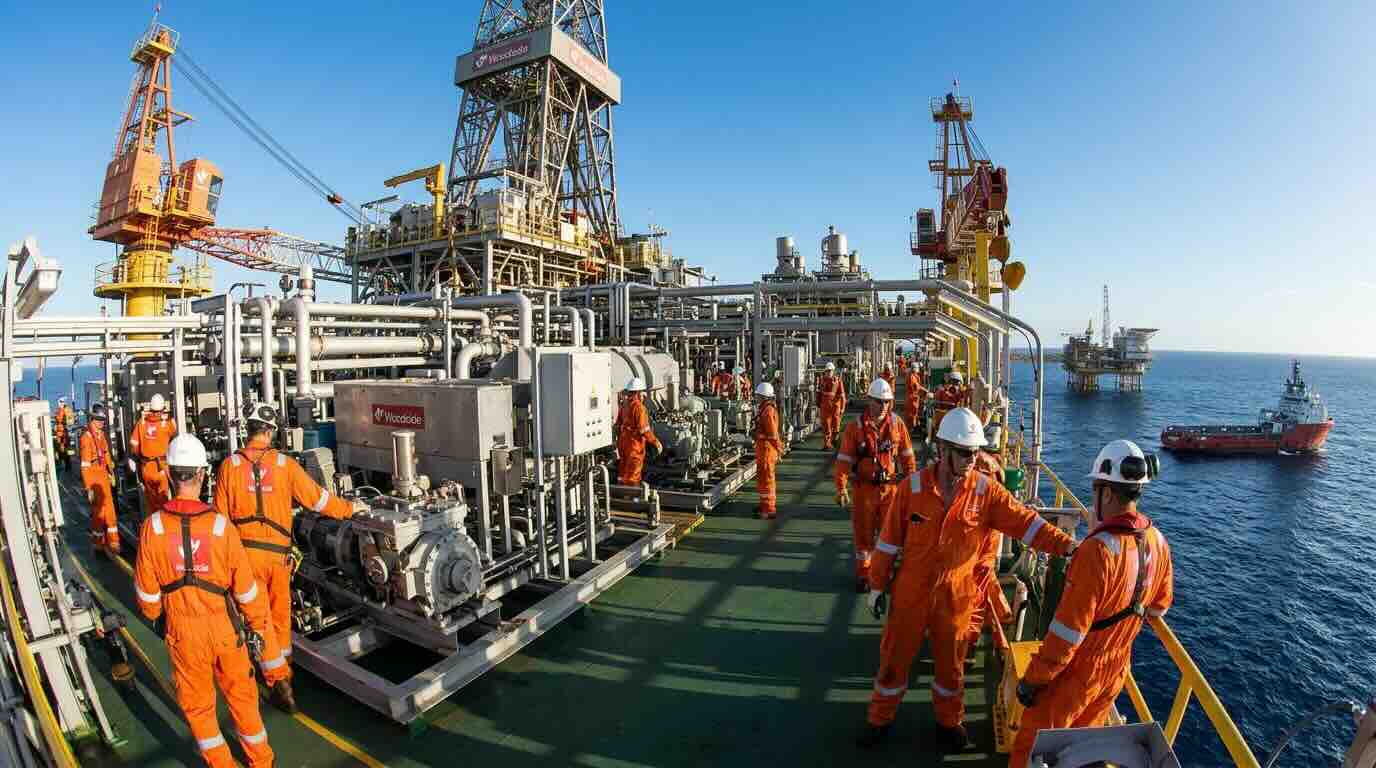
Scarborough remains the most important near-term growth catalyst. Gas from the offshore reservoir entered the floating production unit and was exported into the trunkline during the quarter. The project remains on budget and on schedule, although commissioning and a reliable production ramp-up will ultimately determine its financial contribution.
Woodside's established LNG infrastructure, long-term customer relationships and global marketing capabilities provide competitive advantages. Nevertheless, first-half underlying net profit after tax increased 7% to US$1.33 billion while operating cash flow declined 10% to US$3.01 billion. Free cash flow was US$352 million, highlighting the importance of controlling expenditure as new developments progress.
What the company is doing now
The Greater Sunrise transaction is another significant portfolio development. Woodside has agreed to sell its participating interest in the Sunrise Joint Venture, including the titles containing the Greater Sunrise fields, to Timor-Leste's national petroleum company, TIMOR GAP, for consideration of up to A$200 million.
Completion is subject to government, regulatory and joint venture approvals, with completion targeted for the first half of 2027. The sale follows progress towards a new fiscal and regulatory framework for the project. While Greater Sunrise remains a substantial gas and condensate resource, Woodside says the transaction will simplify its portfolio and allow capital and management attention to focus on opportunities offering greater potential value.
Meanwhile, Trion in Mexico was 71% complete at September-end, targeting first oil in 2028. Louisiana LNG in the US was 32% complete, targeting first LNG in 2029. Reported negotiations with QatarEnergy for potential long-term LNG purchases could strengthen Louisiana's commercial outlook, but no proposed volumes should be treated as secured sales until an agreement is confirmed.
Woodside is also reviewing its exposure to Beaumont New Ammonia after reassessing the project's commercial prospects.
Insight: Is Woodside improving its capital allocation?
We see Woodside's strategy as increasingly focused on delivering value from its core LNG business. Scarborough offers a tangible near-term catalyst, while the Greater Sunrise sale could simplify the portfolio and release capital for competing priorities. However, the proceeds are not yet secured, and the transaction does not remove the funding requirements of Louisiana LNG and Trion. Falling year-to-date production and weaker first-half operating cash flow remain important concerns. Our assessment is cautiously constructive, with successful project delivery and stronger cash generation more important than portfolio announcements alone.
What happens next?
The immediate milestone is Scarborough's first LNG cargo, followed by evidence of sustained production and reliable sales. The Greater Sunrise transaction must also clear the required approvals before Woodside can realise the proposed proceeds.
The fourth-quarter report, scheduled for January 2027, should clarify full-year production, commissioning progress and cash generation. For Woodside, the central test is whether its portfolio reshaping and major LNG investments can translate into dependable returns without placing excessive pressure on financial flexibility.

 Mark Elzayed•






