A 57-metre gold intersection outside an existing resource boundary has strengthened the growth potential of Aurum Resources Limited (ASX: AUE) just days before a major resource update. With more than $95 million in cash and a gold development project approaching a definitive feasibility study, the company faces an important question: can additional gold discoveries improve mine economics enough to justify its substantial development costs?
The latest drilling results suggest considerable geological potential, but converting discoveries into economically recoverable ounces remains the critical challenge.
Key numbers
- 57m at 2.34g/t gold: Significant BST1 intersection from 290m, including 2m at 37.95g/t.
- 28.35m at 2.02g/t gold: New BMT2 intersection outside the current resource.
- 3.22Moz: Existing Boundiali Mineral Resource, including 1.70Moz classified as Indicated.
- $52.5 million: September capital raising, lifting available cash above $95 million.
- US$342 million: Estimated pre-production capital expenditure under the June 2026 pre-feasibility study.
The latest development: Gold discoveries extend beyond existing resources
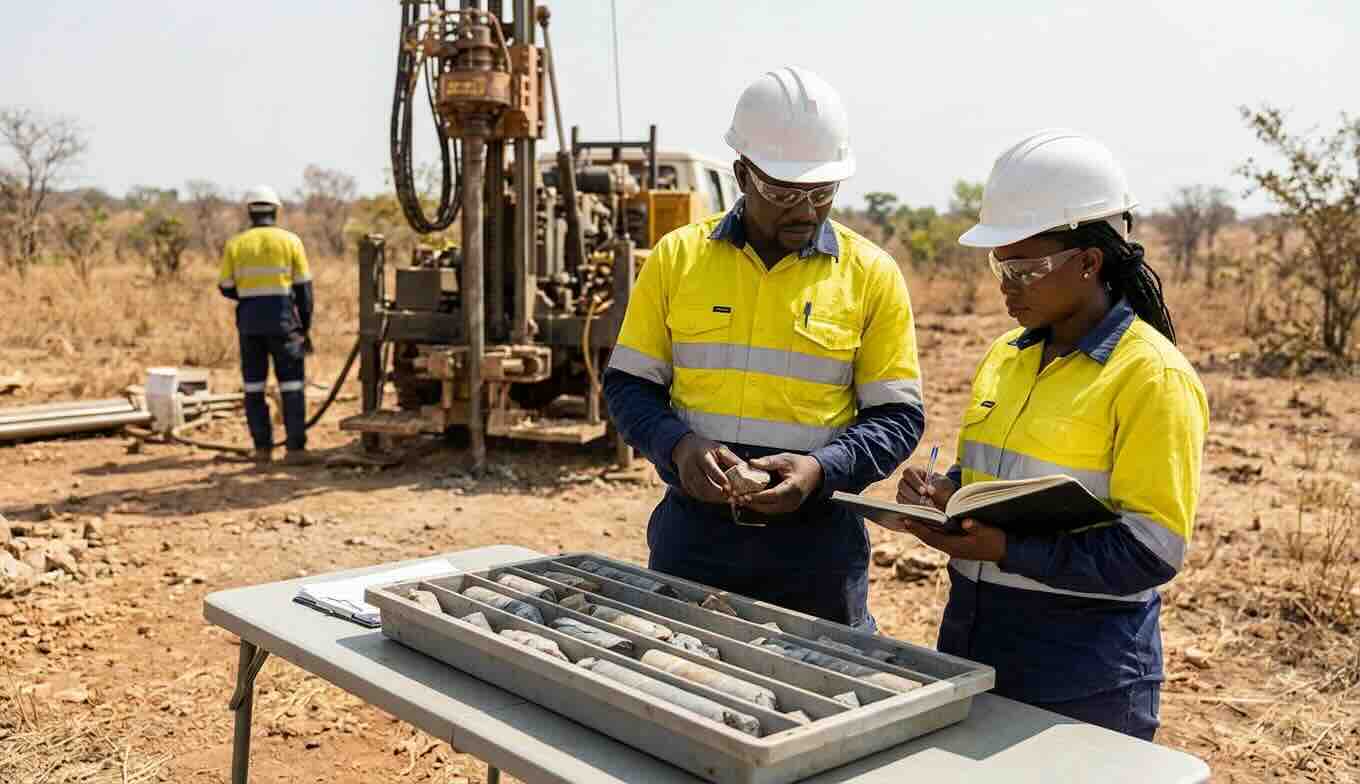
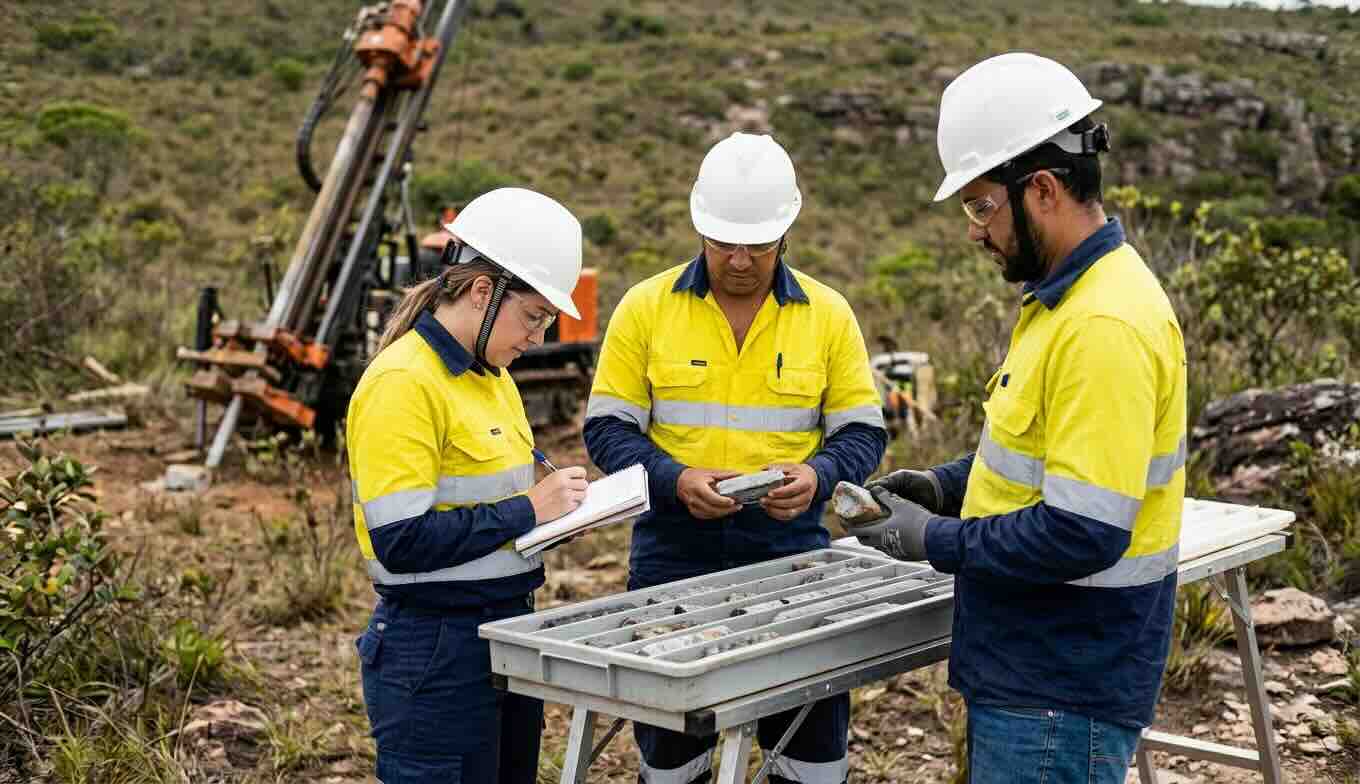
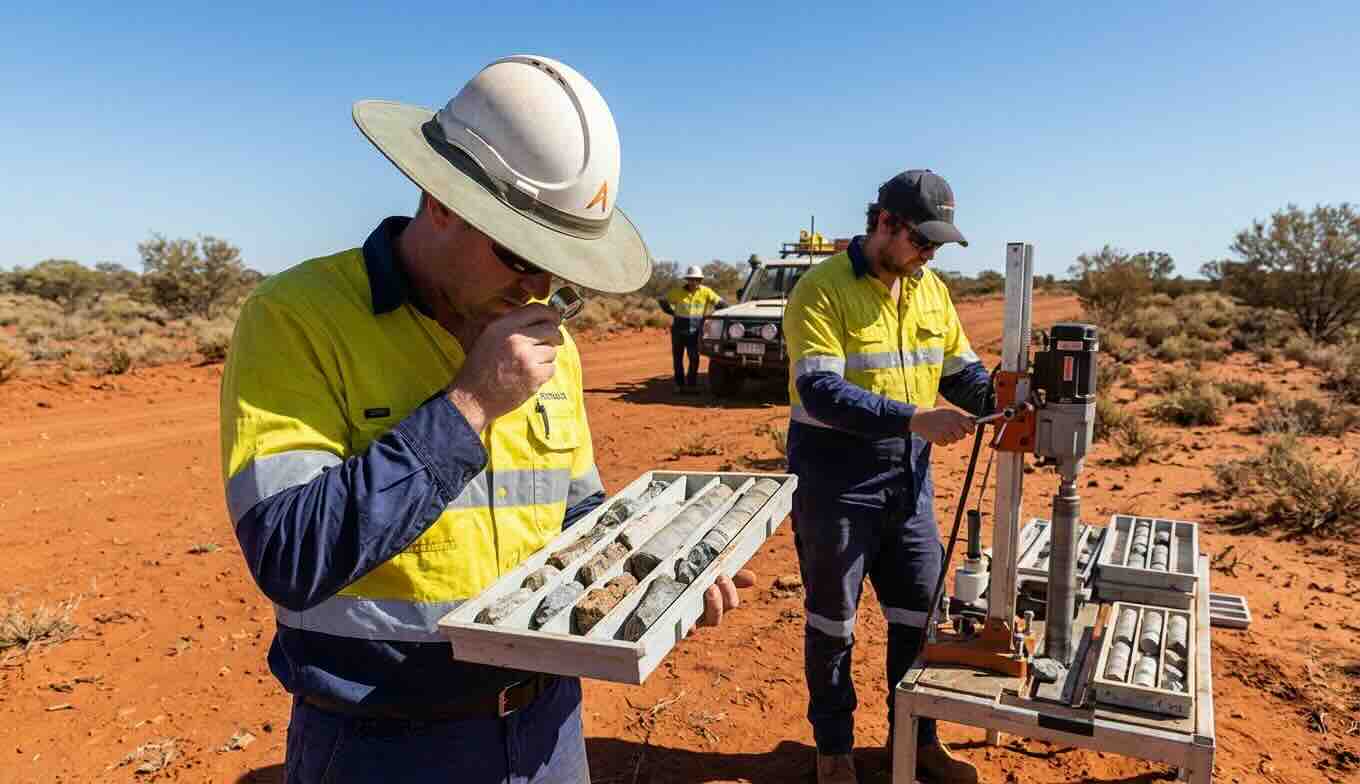
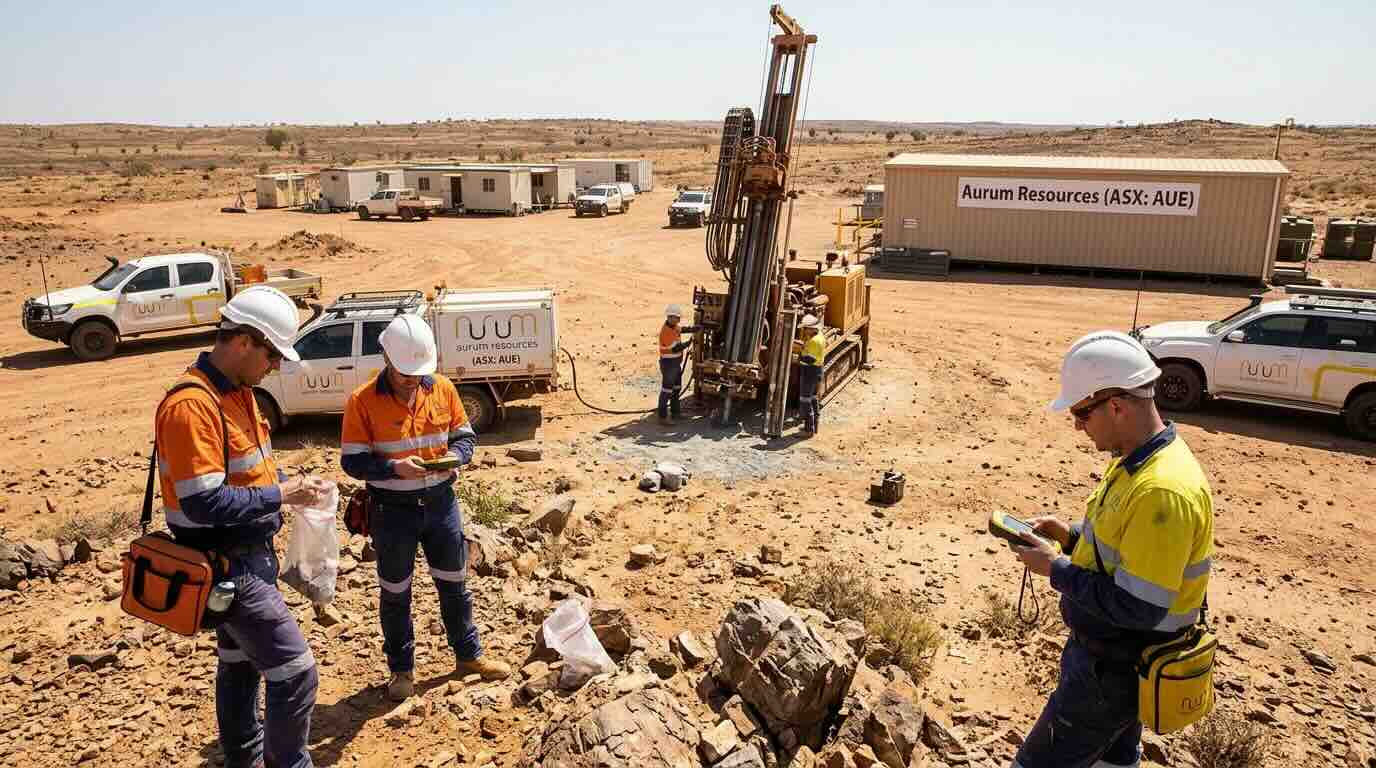
Aurum's 20 October announcement reported assay results from 25 diamond drill holes totalling 5,651 metres across three areas of its Boundiali Gold Project in Côte d'Ivoire.
The standout intersection at BST1 returned 57m at 2.34g/t gold from 290m, while BMT2 delivered 28.35m at 2.02g/t from 116.45m.
Both intersections sit outside existing resource boundaries, providing potential additions to the company's next Mineral Resource Estimate.
Importantly, BMT2 does not yet have a declared resource, creating an opportunity to establish another mineralised deposit within Boundiali.
However, reported intervals represent downhole lengths rather than true widths. Aurum estimates true widths at approximately 60–85% of the intersections.
The results support further resource growth but do not automatically translate into additional ore reserves or improved project profitability.
What stands out to us
We think Aurum's most significant advantage is the combination of resource scale, continuing exploration success and an increasingly advanced development programme.
Boundiali already contains 3.22Moz of gold resources, while the separate Napié project contributes another 1.16Moz.
The June pre-feasibility study outlined a proposed six-million-tonne-per-annum operation producing approximately 185,000 ounces annually during its first five years.
A maiden Probable Ore Reserve of 1.21Moz provides a stronger development foundation than exploration results alone.
Nevertheless, Aurum remains a pre-production company without operating gold revenue.
Its US$342 million pre-production capital requirement substantially exceeds available cash, making additional project financing necessary.
The company's valuation therefore depends on future mine economics, funding arrangements and execution rather than current earnings.
What the company is doing now
Aurum is progressing an expanded 150,000m drilling programme at Boundiali while preparing a Definitive Feasibility Study targeted for late 2026.
The September placement is supporting early equipment procurement, access road construction, land acquisition and continued exploration.
Environmental approvals were received in May, while mining licence applications remain under assessment.
Management is targeting first gold production during the first half of 2028.
These developments could accelerate commercial readiness, although regulatory approvals, construction costs and financing remain substantial hurdles.
Insight: Can More Gold Translate Into Better Project Economics?
We think Aurum's resource growth potential is increasingly credible, particularly given repeated intersections beyond established deposits and its substantial exploration funding. However, additional ounces only improve economic value when they can be incorporated into a profitable mining plan.
Higher grades, improved recoveries and longer mine life could strengthen project economics, but deeper mineralisation may also increase mining costs.
Our assessment is cautiously positive on geological potential while remaining more conservative on valuation until the definitive feasibility study establishes updated capital costs, operating margins, reserves and financing requirements.
What happens next?
The immediate catalyst is the updated Boundiali Mineral Resource Estimate, targeted for release by the end of October 2026.
Any increase in Indicated Resources could improve the foundation for future ore reserve upgrades.
The subsequent Definitive Feasibility Study will provide the more important financial test, particularly regarding capital expenditure, operating costs and projected cash generation.
For shareholders, the distinction is crucial.
Aurum has demonstrated that its gold system continues beyond existing resource boundaries. Its next challenge is proving those additional ounces can strengthen a commercially viable, financeable mining operation.

 Mark Elzayed•