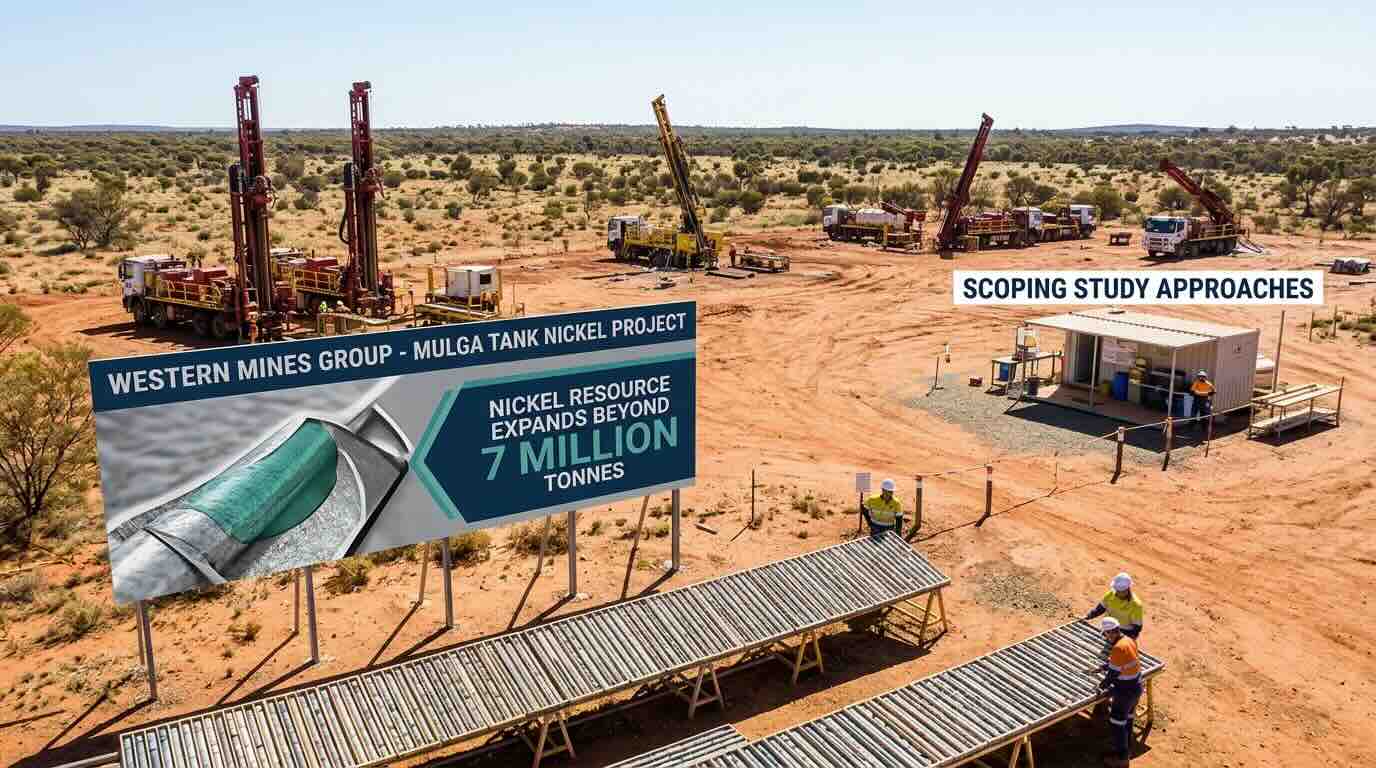
Western Mines Group (ASX: WMG) has substantially expanded its Mulga Tank nickel sulphide resource in Western Australia, lifting contained nickel to 7.2 million tonnes and strengthening the geological foundations for a potential large-scale mining operation.
The 26 October 2026 upgrade follows additional drilling and comes as the company advances its first Scoping Study. However, with relatively low resource grades and significant development requirements, can Western Mines demonstrate that its enormous nickel inventory is commercially viable?
Key numbers
- 7.2 million tonnes: Contained nickel within Mulga Tank's updated Mineral Resource.
- 2.647 billion tonnes: Total Mineral Resource grading 0.27% nickel.
- 35% increase: Growth in total resource tonnage compared with April 2025.
- 1.121 billion tonnes: Indicated Resources, representing a 98% increase.
- $1.58 million: Cash reserves at 30 June 2026, before the subsequent July capital raising.
A 35% resource expansion strengthens Mulga Tank's development case
Western Mines' latest resource upgrade represents a significant advance in defining one of Australia's largest undeveloped nickel sulphide deposits.
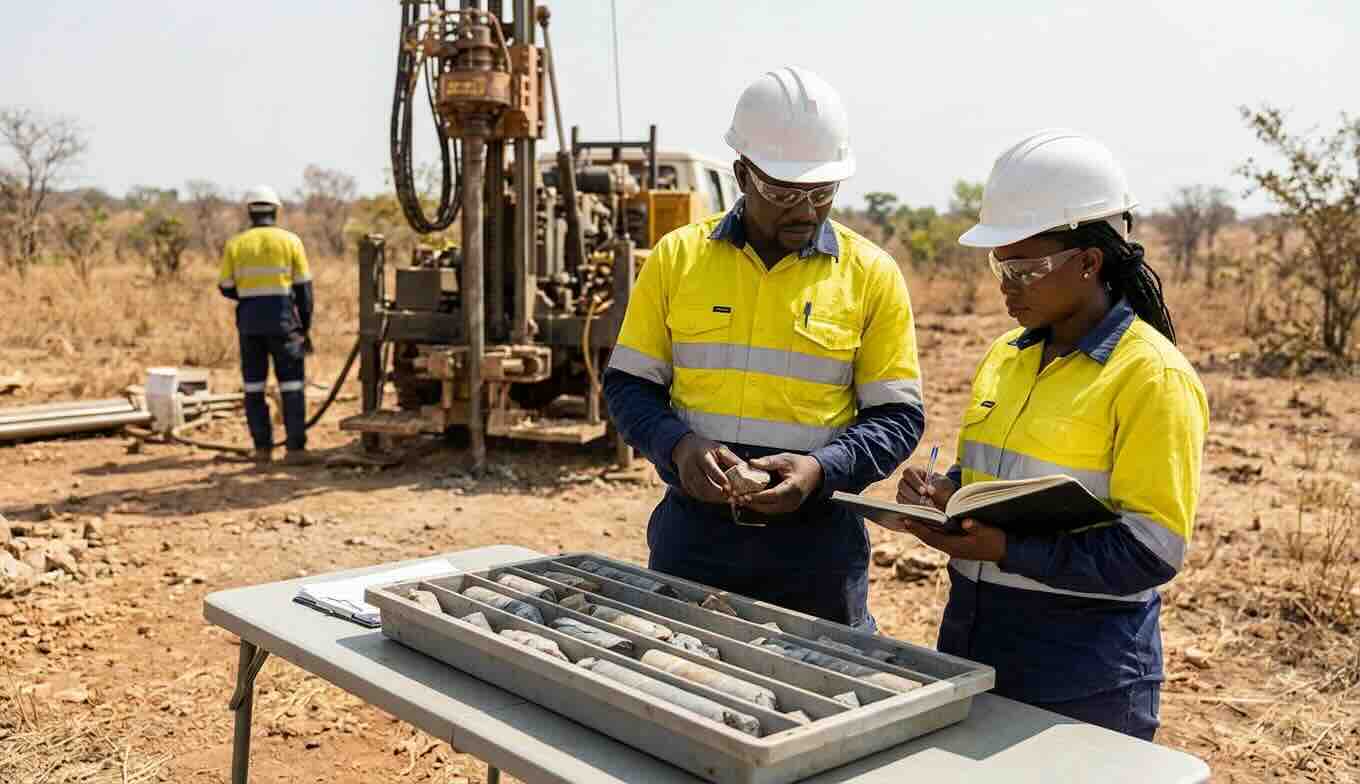
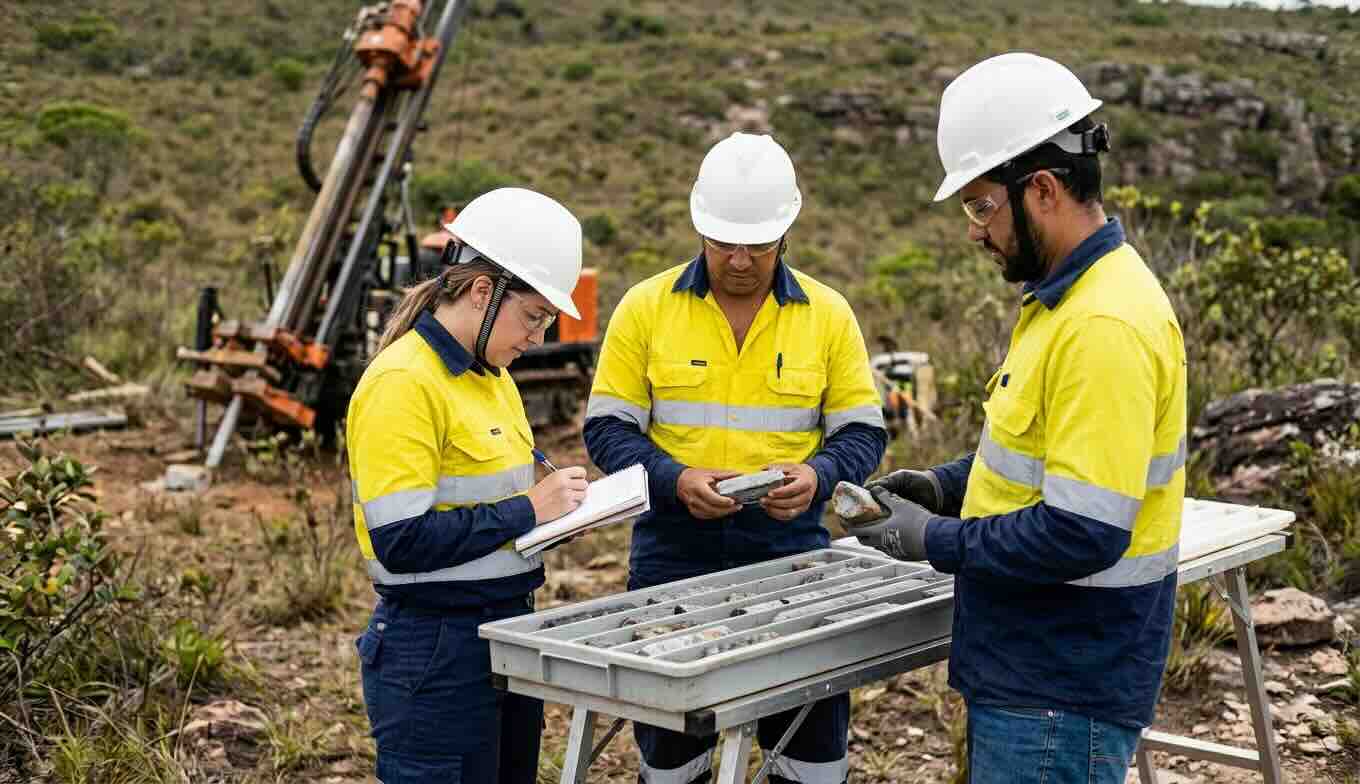
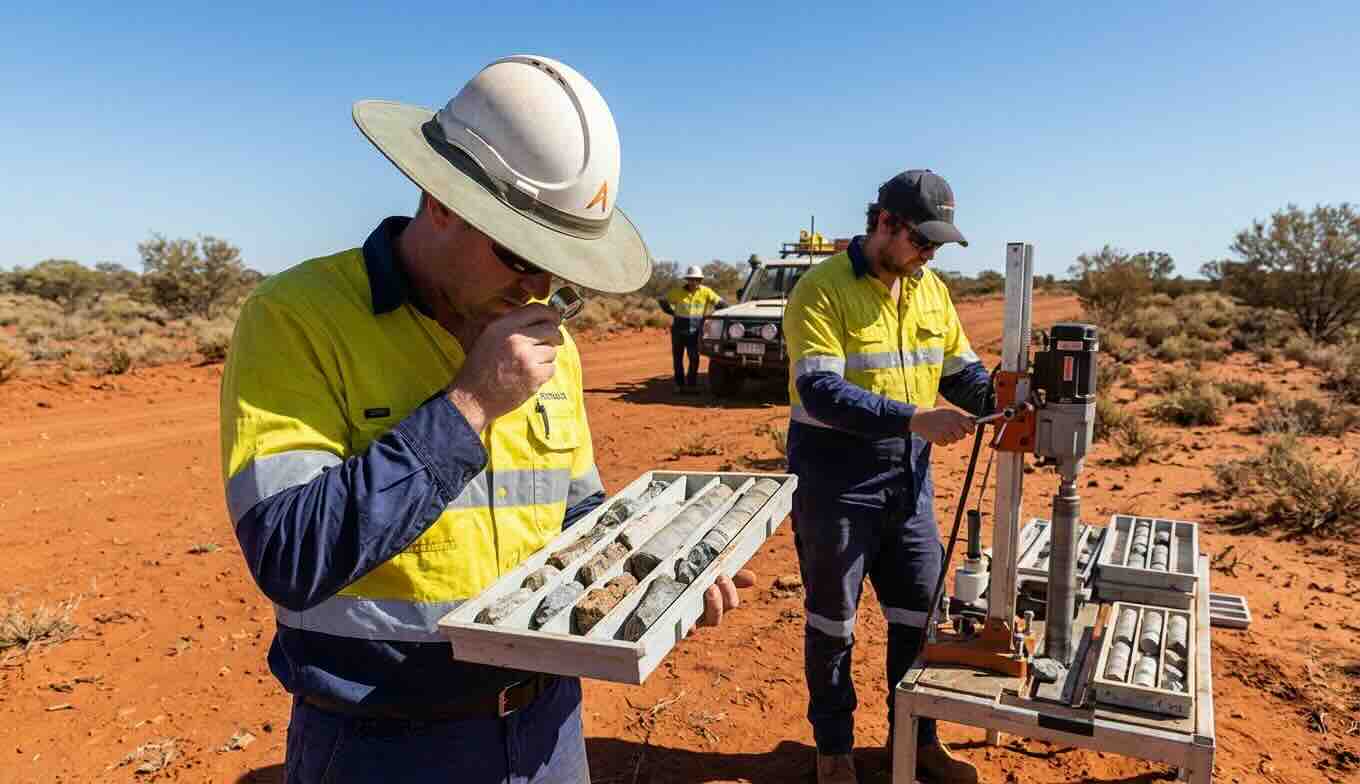
The updated estimate incorporates 32 additional drill holes from its Phase 4 and Phase 5 exploration programmes.
Total resources increased from approximately 1.968 billion tonnes to 2.647 billion tonnes, while contained nickel expanded from 5.3 million tonnes to 7.2 million tonnes.
Importantly, Indicated Resources nearly doubled to 1.121 billion tonnes grading 0.28% nickel.
This improvement provides greater geological confidence for preliminary mine planning, production scheduling and development studies.
The updated resource also contains approximately 347,000 tonnes of cobalt, 205,000 tonnes of copper and 1.6 million ounces of platinum and palladium.
These additional commodities could contribute to future project economics, although their recoverability and commercial value remain subject to metallurgical and engineering assessments.
Scale is impressive, but nickel grade remains the challenge
Mulga Tank's principal attraction is its enormous shallow, disseminated nickel sulphide mineralisation.
The company believes the deposit could potentially support large-scale open-pit mining.
However, its average nickel grade of 0.27% introduces important economic considerations.
Lower-grade deposits generally require substantial material movement and processing capacity to produce commercially meaningful quantities of metal.
Consequently, mining efficiency, processing recoveries, energy requirements and capital expenditure will be decisive.
Western Mines has completed initial metallurgical testing and preliminary engineering work to investigate these challenges.
The company's Scoping Study is expected to examine potential mining configurations, processing infrastructure and project economics.
A favourable outcome could provide the first meaningful indication of whether Mulga Tank's resource scale can offset its relatively modest nickel grades.
A deeper discovery opportunity adds another dimension
Beyond the shallow resource, Western Mines continues exploring for higher-grade massive nickel sulphide mineralisation at depth.
Recent drilling has identified prospective basal zones within the Mulga Tank Complex.
The company is conducting an active seismic survey supported by a $300,000 Western Australian exploration grant.
The programme covers approximately 35 square kilometres and aims to improve understanding of the complex's geological architecture.
Identifying a substantial higher-grade deposit could materially strengthen the project's development options.
However, prospective geological structures do not establish an economic discovery, and additional drilling would be required.
Cash reserves highlight the importance of capital discipline
Western Mines remains an exploration-stage company without established mining revenue.
For FY2026, it recorded a net loss of approximately $3.46 million, compared with $1.73 million in FY2025.
Operating cash outflows increased to approximately $1.28 million, while exploration and related capital expenditure continued consuming additional funds.
Cash reserves stood at $1.58 million on 30 June 2026.
The company subsequently completed a $2.74 million placement in July, including approximately $1.71 million in cash and a $1 million equity-swap component.
This strengthened its financial position, although the non-cash component should not be treated as additional operating liquidity.
Future development studies and drilling could require further funding.
Conventional earnings multiples remain unsuitable for valuation. Risk-adjusted project economics and future capital requirements provide more meaningful measures.
Insight: Resource confidence matters more than headline nickel tonnes
What stands out to us is the 98% increase in Indicated Resources, which provides a stronger foundation for assessing Mulga Tank's economic potential. The market may be focusing on the headline 7.2 million tonnes of contained nickel while overlooking the importance of converting geological scale into a technically credible mining plan. However, the relatively low 0.27% grade means operating efficiency will be critical. We see the next decisive test in the Scoping Study's processing assumptions, capital requirements and projected operating costs.

 Mark Elzayed•