At Albion Resources, we are making encouraging progress at our Gidgee gold project in Western Australia. Our latest drilling results at German Well South have extended the interpreted mineralised trend, while the expansion of our exploration footprint provides additional opportunities to identify and test gold targets across the project.
Our recent aircore drilling has delivered a promising high-grade intersection approximately 200m south of the main historical drilling area. Combined with our broader 7,000m drilling programme and additional funding, this gives us a stronger platform to investigate the scale and continuity of the mineralisation.
We recognise that exploration is a process of building evidence, and we remain focused on translating encouraging early results into a clearer understanding of Gidgee’s geological potential. Our priority is to establish whether the mineralisation continues along strike and at depth, while systematically assessing the wider project for additional discoveries.
Key numbers
- 7m at 3.6g/t gold: Our aircore intersection at German Well South, including 3m at 6.7g/t gold.
- 600m: The interpreted strike length of gold mineralisation, extended from approximately 400m through our recent drilling.
- 7,000m: Our planned exploration programme, comprising 6,000m of aircore drilling and 1,000m of reverse circulation drilling.
- A$1.8 million: Gross proceeds from our October placement to support exploration and advance our project objectives.
- 27km²: Additional exploration tenure targeted through the expansion of our Gidgee footprint.
- A$1.83 million: Cash reported at 30 September 2026, before subsequent placement proceeds and associated transaction costs.
Encouraging results at German Well South
Our 13 October drilling announcement reported results from aircore hole ABAC008 at German Well South. Drilled approximately 200m south of the main historical drilling area, the hole returned 7m at 3.6g/t gold from 60m, including 3m at 6.7g/t gold.
The hole also returned a separate 1m interval at 0.8g/t gold near the bottom of the hole. We see this as another point for geological follow-up as we work to understand the distribution and extent of mineralisation across the prospect.
One of the most encouraging aspects of the result is its contribution to our understanding of the interpreted mineralised trend. Our drilling has extended the interpreted strike length to approximately 600m, compared with around 400m previously identified through historical drilling.
Historical intersections, including 21m at 5.4g/t gold and 16m at 5.5g/t gold, provide additional context for our current work. Together, these results give us a stronger basis for testing the prospect systematically and determining where further drilling can deliver the most useful geological information.
We remain conscious that these are exploration results, not a defined mineral resource. Establishing continuity, geometry and true widths will require additional drilling. Our focus is on building that understanding methodically and assessing whether the mineralisation has the scale and consistency to justify more advanced exploration.
Expanding our Gidgee exploration footprint
We are also broadening our exploration opportunities beyond German Well South. On 21 October, we exercised an option to acquire additional exploration tenure adjoining our existing Gidgee project, with the expansion announced on 22 October.
The additional 27km² of tenure provides us with further ground to investigate along the prospective Tokey West Shear corridor, including an interpreted extension of approximately 1.8km of prospective strike south of German Well South.
We believe this expansion strengthens our ability to assess Gidgee as a broader exploration opportunity rather than focusing exclusively on a single prospect. The project lies within Western Australia’s Gum Creek Greenstone Belt, an established gold district that offers several geological settings for further investigation.
Our plans include systematic soil geochemical sampling across the recently optioned ground. This work will help us evaluate surface anomalies, refine our geological interpretation and prioritise targets for potential follow-up drilling.
The additional tenure does not, by itself, establish further gold resources. Its value lies in giving us more prospective ground to investigate as we build our understanding of the wider mineralised system.
Advancing our drilling programme
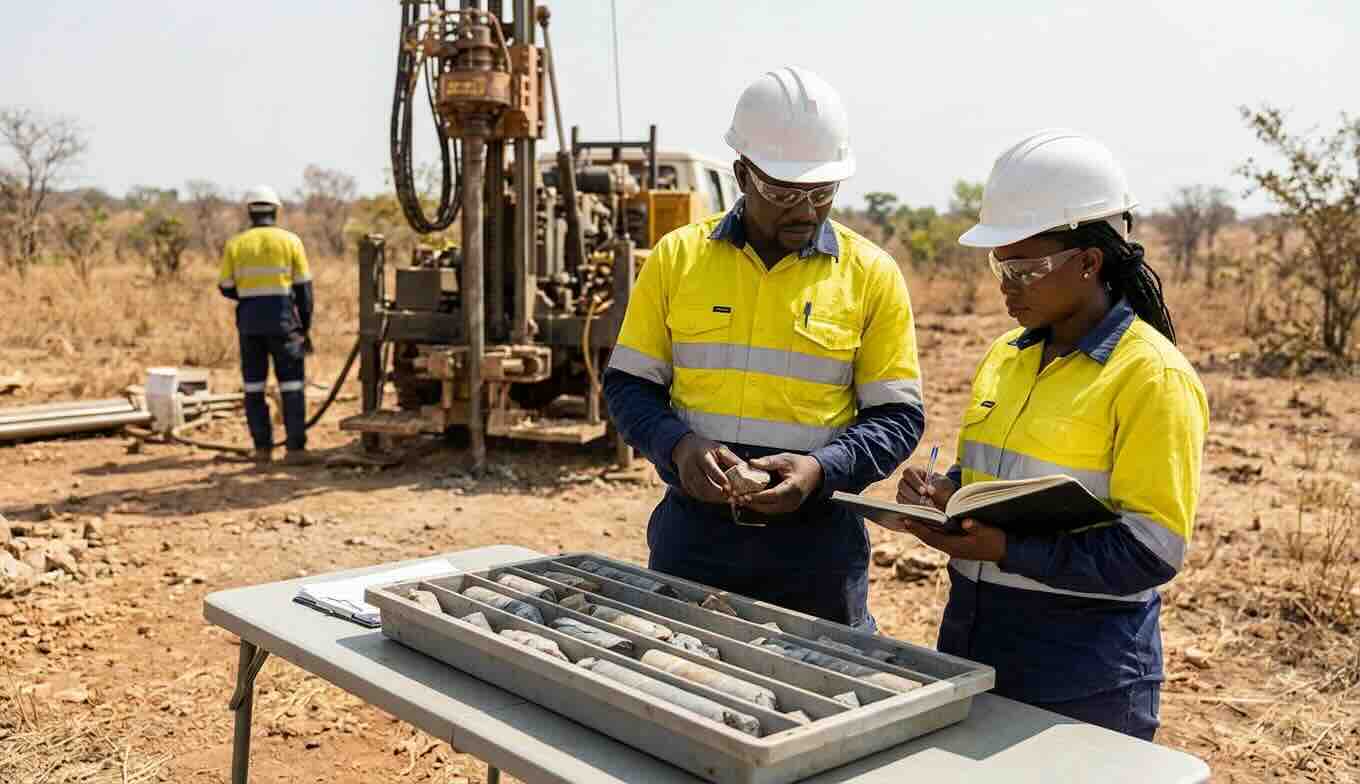
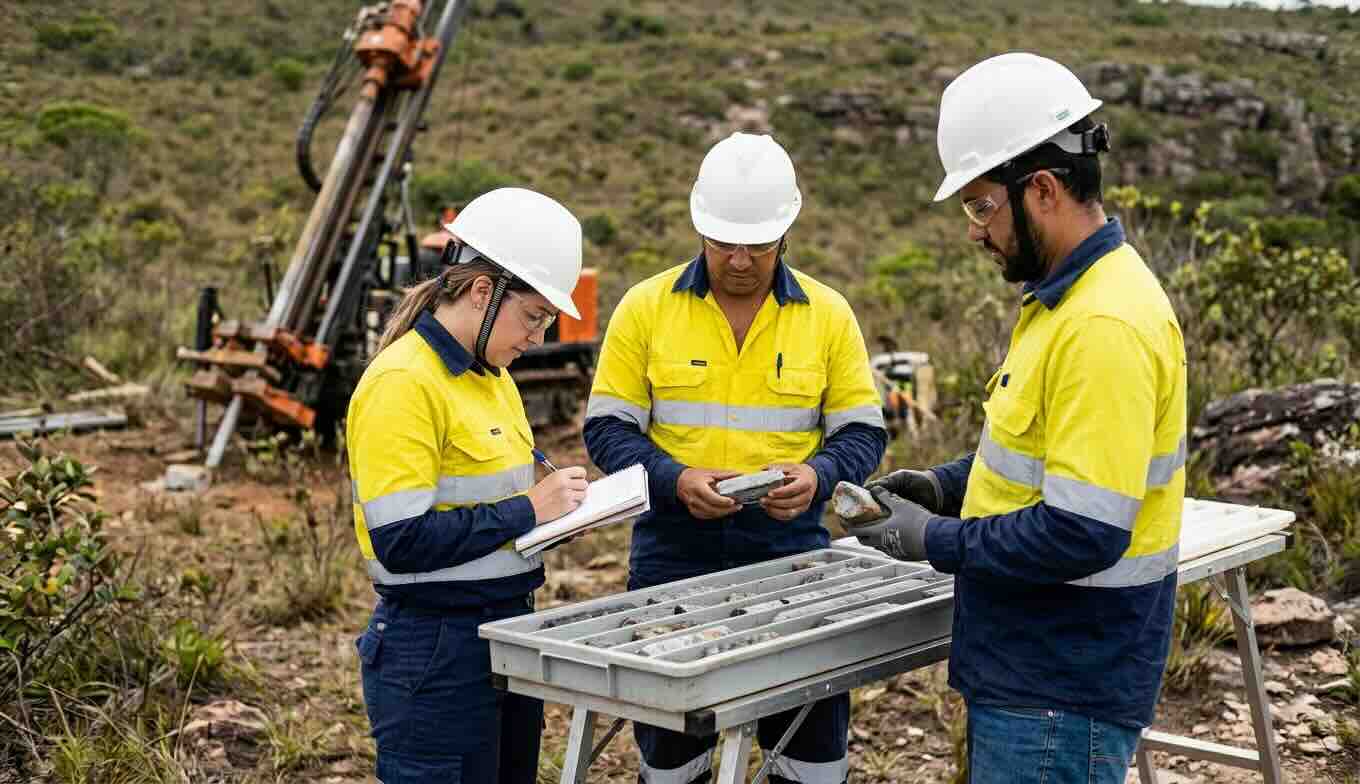
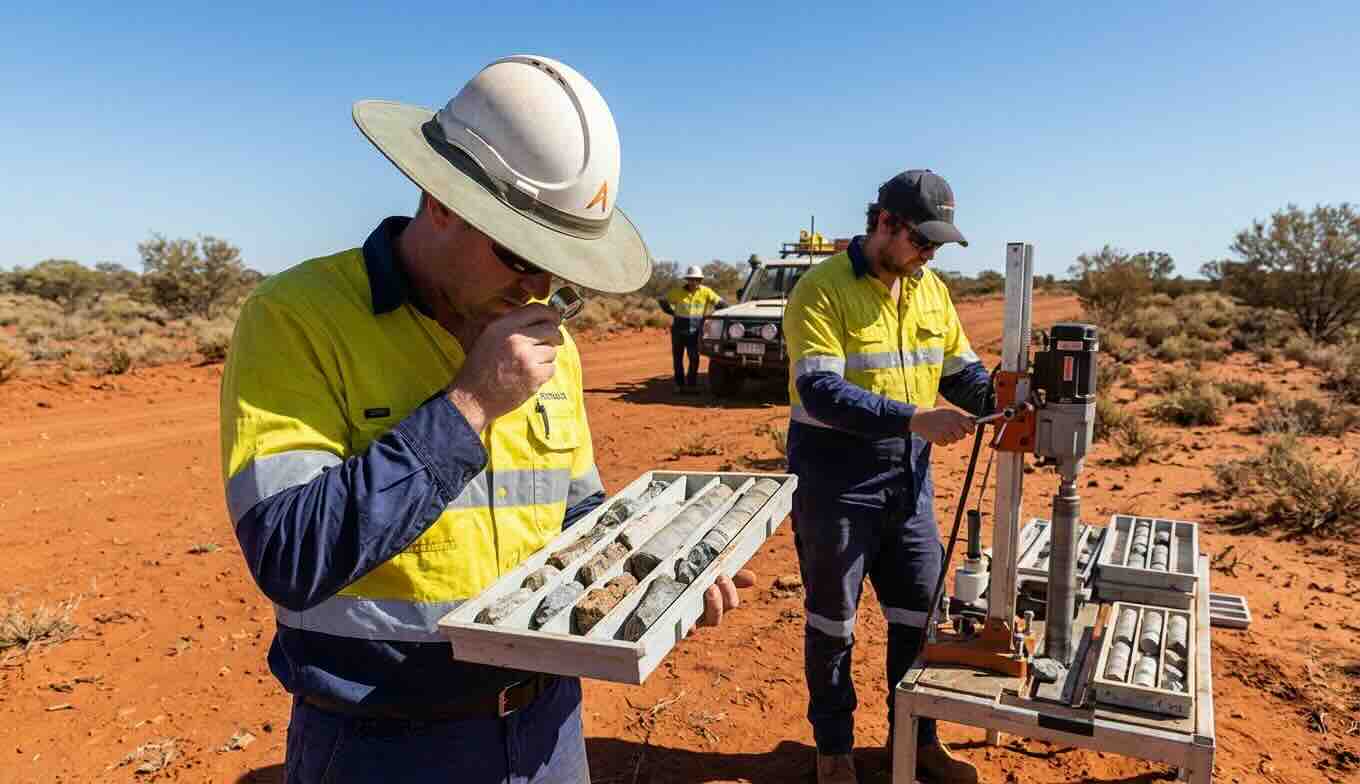
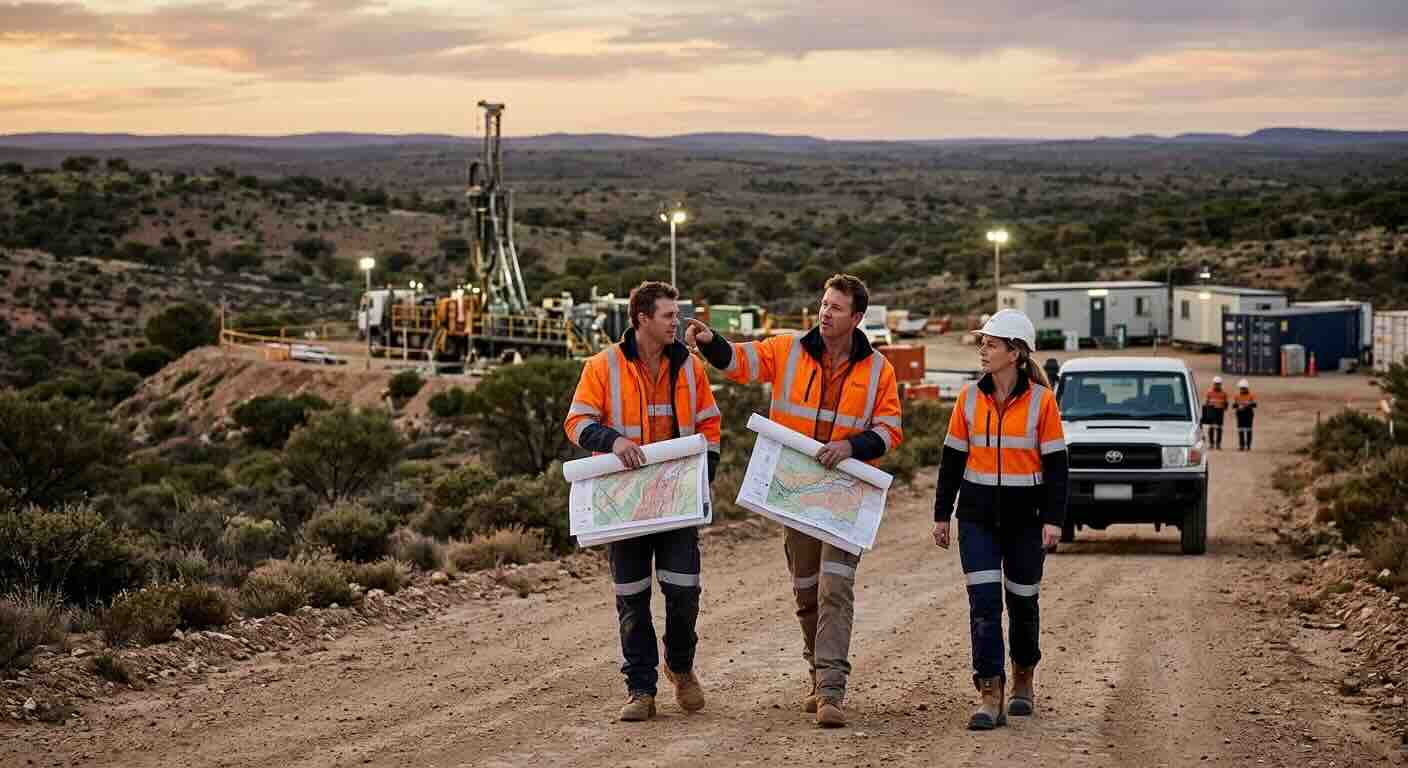
Our 7,000m exploration programme combines regional aircore drilling with reverse circulation drilling at German Well South. Each component has a distinct role in helping us assess the project.
Aircore drilling allows us to investigate regional targets and improve our understanding of the distribution of mineralisation. Reverse circulation drilling is intended to test deeper extensions and provide further information about the geometry and continuity of known gold-bearing zones.
We are particularly interested in determining whether the mineralisation identified at German Well South continues beyond the areas tested historically. Follow-up drilling around ABAC008 will help us assess the extent of the latest intersection and establish whether further drilling can demonstrate a more coherent mineralised system.
At the same time, our regional exploration work will help us evaluate other targets across Gidgee. By combining prospect-scale drilling with broader geological and geochemical assessment, we aim to allocate our exploration resources to the areas offering the strongest geological evidence.
Our immediate priority remains Gidgee. Further work at Yandal West has been deferred while discussions continue with Traditional Owners and heritage advisers, and we will continue to approach those matters through the appropriate engagement processes.
Funding our next phase of exploration
Our October placement, which targeted gross proceeds of A$1.8 million, provides additional financial capacity to advance exploration at Gidgee.
At 30 September 2026, we reported approximately A$1.83 million in cash before the subsequent placement proceeds and associated costs. This quarter-end position provides a useful reference point, while our available funding needs to be considered alongside the placement and our ongoing exploration expenditure.
We reported a net loss of A$2.01 million for FY2026 and operating cash outflows of A$2.52 million. These historical figures reinforce the importance of managing our expenditure carefully as we increase exploration activity.
Our objective is to use our available capital to generate meaningful geological information, identify the most prospective targets and determine where additional drilling can have the greatest impact. Exploration is inherently uncertain, and we must balance the opportunity to pursue encouraging results with the need to maintain financial discipline.
If future drilling supports a larger and more continuous mineralised system, more extensive drilling and eventual resource-definition work may be warranted. Any such programme would need to be assessed against the results achieved, the capital required and the broader development potential of the project.
Our outlook: Establishing the potential of Gidgee
We are encouraged by the progress made at German Well South, but we recognise that the next stage of exploration will be important in determining the significance of the results.
Our immediate objective is to establish whether the mineralisation identified in ABAC008 continues along strike and at depth. Consistent intersections across follow-up holes would strengthen our understanding of the geological system and help us determine whether the prospect warrants more extensive investigation.
We also see potential value in exploring the wider Gidgee footprint. The additional tenure along the Tokey West Shear corridor gives us more ground to assess, while systematic geochemical sampling and regional drilling should help refine our exploration priorities.
We will continue to evaluate the evidence as it emerges. Isolated high-grade intersections are encouraging, but demonstrating continuity, scale and economic potential requires further work. Our approach is to build the geological case through disciplined exploration rather than draw conclusions prematurely.

 Mark Elzayed•