Powerhaus Uranium (ASX: POW) is advancing preparations for its maiden drilling campaign at the Malbec Uranium Project in Argentina after completing initial field exploration and raising $9 million through its August 2026 ASX listing.
The company's 29 October quarterly update confirmed progress across its exploration portfolio, including ground radiometric surveys at Terrace del Molle and preparations for a proposed 4,000–5,000m aircore drilling programme.
However, the initial surface survey did not identify significant radiometric anomalies, reinforcing the uncertainty surrounding the company's geological targets.
With substantial exploration ground and fresh capital, can Powerhaus establish a credible uranium discovery before development costs and financing requirements increase?
Key numbers
- $9 million: Capital raised through Powerhaus' August 2026 initial public offering.
- 2,000 square kilometres: Approximate area covered by the Malbec Uranium Project in Argentina.
- 5,000 metres: Upper end of the proposed initial aircore drilling programme, subject to approvals.
- 523ppm U₃O₈: Historical uranium surface sample result at Cerro Tacho.
- $2.14 million: FY2026 net loss, compared with approximately $763,000 in FY2025.
Initial Malbec exploration delivers a mixed result
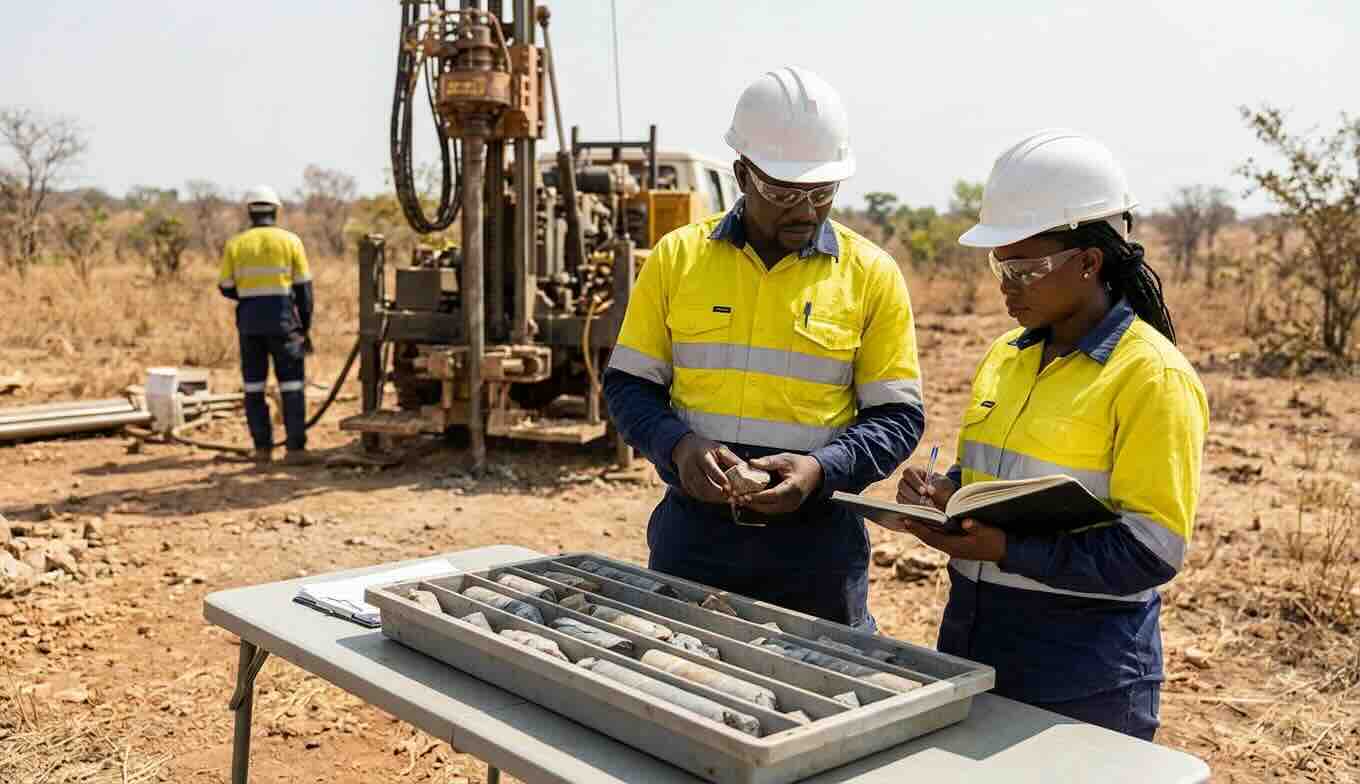
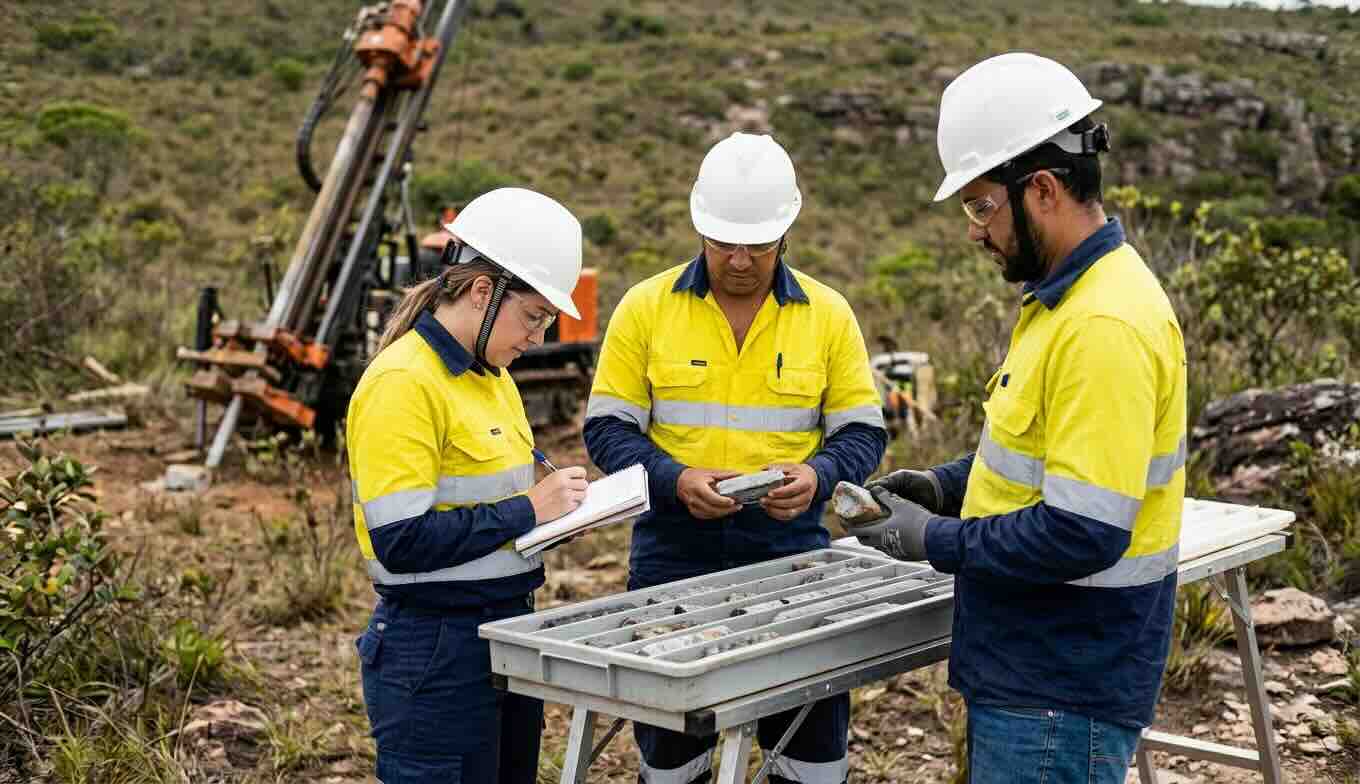
Powerhaus commenced reconnaissance exploration at Terrace del Molle within its wholly owned Central Malbec Project in Argentina's Chubut Province.
The initial programme covered approximately nine square kilometres of a broader 17-square-kilometre calcrete terrace.
Exploration teams completed ground radiometric surveying and excavated seven shallow hand pits ranging from 1.5m to 2.4m deep.
The work was designed to identify elevated uranium concentrations and refine potential follow-up exploration targets.
However, the completed radiometric survey did not identify significant radioactive anomalies.
Approximately 0.5m to 0.8m of soil cover may have affected the surface readings, meaning the results do not necessarily eliminate the possibility of concealed mineralisation.
Samples collected beneath the surface cover have been submitted for laboratory analysis.
These results will help determine whether further investigation of the terrace is justified.
Historical sampling at nearby Cerro Tacho previously returned grades of 523ppm and 344ppm uranium oxide.
While these results demonstrate the presence of uranium mineralisation within the broader project area, individual surface samples cannot establish deposit continuity, thickness or economic potential.
The latest findings demonstrate why systematic exploration remains essential before conclusions can be drawn about Malbec's commercial prospects.
Proposed aircore drilling becomes the decisive exploration test
Powerhaus is also targeting sandstone-hosted uranium mineralisation within the Salamanca Formation.
Its geological model draws comparisons with Kazakhstan-style roll-front uranium deposits, which can potentially support in-situ recovery mining.
This extraction method uses solutions circulated through suitable geological formations to recover uranium without conventional open-pit or underground mining.
However, successful in-situ recovery requires favourable geological, hydrological and metallurgical characteristics.
Those conditions have not yet been demonstrated at Malbec.
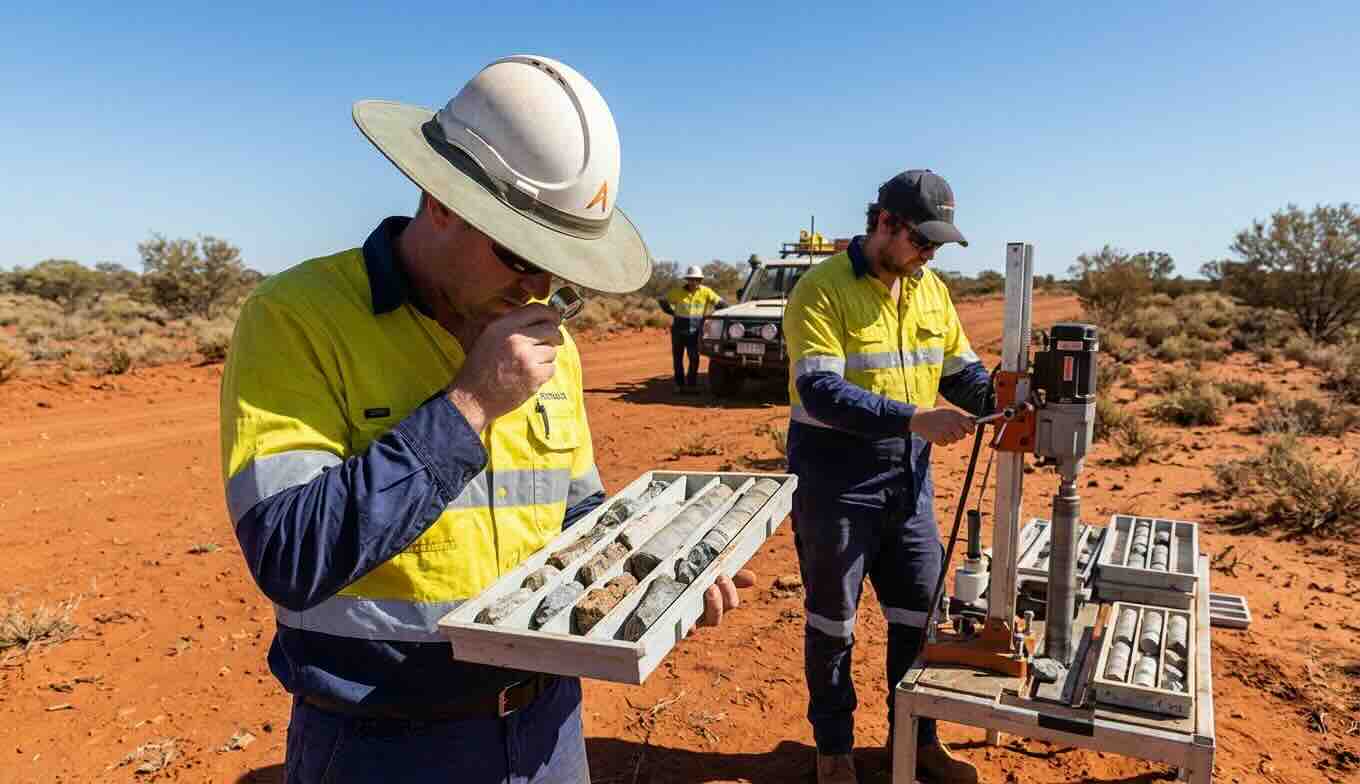
Powerhaus has outlined a proposed initial aircore drilling programme of approximately 4,000 to 5,000 metres.
The programme is designed to test prospective sandstone-hosted targets that cannot be adequately assessed through surface radiometric surveys alone.
Environmental documentation covers 66 proposed drill hole locations, 20 trenches and 142 sonic drill holes.
These represent planned exploration activities rather than completed drilling.
The timetable remains subject to environmental approvals, contractor availability and administrative requirements.
Successful drilling could establish a stronger geological foundation for identifying the scale and continuity of uranium mineralisation.
However, any meaningful Mineral Resource estimate would require additional drilling, geological modelling and independent technical assessment.
Environmental approvals remain an important timing risk
Regulatory requirements are becoming increasingly important as Powerhaus prepares to move from reconnaissance exploration into more substantial drilling activities.
The company is progressing environmental approvals for its proposed drilling and trenching programmes.
It has also submitted an application for VAT registration under Argentina's Mining Investment Law.
Management expects this process to take approximately four to eight weeks.
Registration could support recovery of eligible VAT associated with qualifying exploration expenditure, potentially improving the efficiency of future exploration spending.
However, the application does not guarantee immediate reimbursement or alter the underlying geological risks.
The company must also secure drilling services and complete the necessary administrative arrangements before field operations can commence.
Consequently, the proposed drilling schedule should be treated as conditional rather than a guaranteed commencement date.
For investors, confirmation of environmental approvals and contractor mobilisation will provide more meaningful evidence of near-term exploration progress than indicative drilling targets alone.
Hidden Bay strengthens the Canadian exploration portfolio
Beyond Argentina, Powerhaus holds the Hidden Bay Uranium Project on the eastern margin of Canada's Athabasca Basin.
The project is located approximately 20km from the historical Rabbit Lake uranium mine.
The Athabasca Basin hosts several significant uranium deposits, making the region geologically attractive for exploration.
Powerhaus has completed its acquisition of a 100% interest in Hidden Bay, subject to existing royalty arrangements.
The project targets basement-hosted uranium mineralisation associated with prospective geological structures.
Management's December-quarter priorities include progressing geophysical survey planning and assessing potential exploration targets.
This work could help establish a more detailed understanding of the project's geological potential.
However, proximity to established uranium operations does not guarantee mineralisation or commercial success.
Powerhaus must demonstrate that its exploration targets contain meaningful uranium concentrations before the project's economic prospects can be assessed.
The company's Polo Project in Argentina provides another longer-term exploration opportunity, although permitting and further technical investigation remain necessary.
IPO funding supports exploration but financial risks remain
Powerhaus' FY2026 financial accounts demonstrate why its August capital raising was important.
The company reported a net loss of approximately $2.14 million for the financial year ended 30 June 2026, compared with $762,845 in FY2025.
Operating cash outflows reached approximately $1.51 million.
Cash reserves stood at just $371,076 at year-end, before the subsequent IPO proceeds.
The $9 million capital raising materially strengthened Powerhaus' ability to fund exploration activities and corporate requirements.
However, IPO proceeds are not equivalent to a permanent funding solution.
The capital must support drilling, field surveys, geological interpretation, environmental studies and ongoing administration.
As exploration activities expand, expenditure could increase substantially.
The company's September-quarter Appendix 5B provides the latest financial reporting period, making the closing cash position and quarterly expenditure important measures for investors to monitor.
Powerhaus currently has no established uranium production revenue.
Traditional earnings multiples are therefore unsuitable for valuing the business.
Its investment case rests principally on exploration success, remaining cash resources, project ownership and the potential economics of any future discovery.
Further equity funding could eventually be required, potentially diluting existing shareholders.
Insight: Drilling results matter more than uranium market momentum
What stands out to us is Powerhaus' opportunity to investigate a substantial uranium exploration position following its $9 million IPO.
However, the completed Terrace del Molle surface survey did not identify significant radiometric anomalies, reinforcing the early-stage nature of the exploration programme.
We believe the proposed 4,000–5,000m aircore drilling campaign offers a more decisive test of the company's geological model, particularly its sandstone-hosted uranium targets within the Salamanca Formation.
The market may be overlooking the importance of environmental approvals, geological continuity and demonstrated uranium grades relative to broader expectations of rising nuclear fuel demand.
Although the IPO has improved Powerhaus' financial flexibility, sustained exploration expenditure must ultimately generate meaningful technical progress.
Our assessment would strengthen if drilling identified continuous uranium mineralisation with commercially relevant grades and geological characteristics capable of supporting further resource-definition work.
The verdict: Funded exploration opportunity faces its first major geological test
Powerhaus has established an early-stage uranium exploration portfolio spanning Argentina and Canada, with Malbec representing its principal near-term opportunity.
Its $9 million IPO provides financial support for advancing fieldwork and proposed drilling.
However, the initial Terrace del Molle survey did not identify significant radiometric anomalies, highlighting the uncertainty that remains before a discovery can be established.
The planned aircore drilling programme offers a more direct opportunity to assess potential sandstone-hosted uranium mineralisation.
Environmental approvals, contractor arrangements and laboratory results will determine the pace of exploration.
Hidden Bay provides additional geographic exposure to a recognised uranium-producing region, although its commercial potential remains unproven.
Investors should monitor the outstanding Malbec assay results, environmental approval progress, drilling mobilisation and the company's quarterly cash position.
For shareholders, Powerhaus offers exposure to uranium exploration at a time when nuclear energy and energy security remain strategically relevant.
Nevertheless, the company has yet to establish a Mineral Resource, commercial production or demonstrated project economics.
The decisive challenge is converting its extensive exploration portfolio and recently raised capital into verified uranium mineralisation capable of supporting further resource development.
Until that evidence emerges, Powerhaus remains a speculative, exploration-driven investment rather than an established uranium development opportunity.

 Mark Elzayed•