Alvo Minerals (ASX: ALV) is building momentum at its Bluebush heavy rare earths project in Brazil, with new laboratory results extending the mineralised footprint and revealing encouraging enrichment in strategically important rare earth elements at depth. The latest drilling across newly acquired ground reinforces the potential scale of the project, while further assays and metallurgical testing could provide important evidence towards a maiden resource targeted for 2027. With its exploration footprint expanding, Alvo is moving into an increasingly important phase of project definition.
Key numbers
- 42 auger holes: Assayed across the newly acquired EZX area, covering 170.6 metres and generating 176 samples.
- 15 significant holes: Returned intercepts above 750ppm total rare earth oxides (TREO), with an average 19% heavy rare earth oxide content relative to TREO.
- 35ppm DyTb: Average dysprosium and terbium grades below 7 metres, compared with approximately 13ppm near surface.
- 9,859 hectares: Consolidated Bluebush exploration footprint across the northern Serra Dourada granite.
- 2027: Target for a maiden Mineral Resource Estimate.
EZX drilling adds another dimension to Bluebush
The 2 November announcement represents an encouraging step forward, with drilling across EZX extending mineralised clays up to 2 kilometres south and west of the existing Boa Vista prospect.
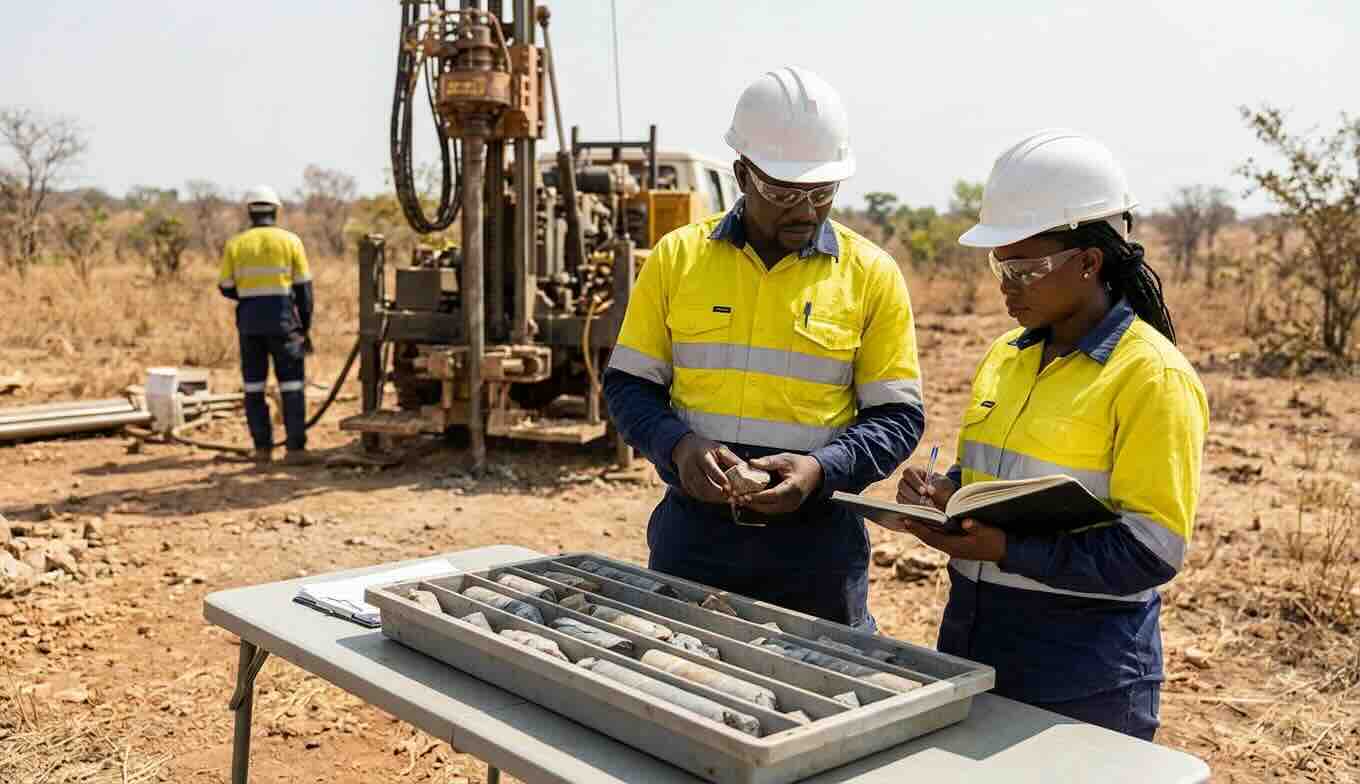
The 42-hole programme covered approximately 6.5 square kilometres on a nominal 300-metre grid. Fifteen holes returned significant intercepts above the company's 750ppm TREO threshold, with magnet and heavy rare earth oxides collectively accounting for 37% of TREO.
Among the better results, hole BLG0358 returned 10 metres at 1,364ppm TREO from 2 metres, including 6 metres at 1,527ppm from 5 metres. BLG0360 delivered 8 metres at 1,291ppm from surface, including 4 metres at 1,644ppm.
Beyond the overall grades, the changing composition of the mineralisation is particularly encouraging. Average dysprosium and terbium (DyTb) grades increased from approximately 13ppm near surface to 35ppm below 7 metres, while magnet rare earth oxides increased from around 16% of TREO in the upper 2 metres to 24% below 5 metres.
This enrichment is significant because dysprosium and terbium are important inputs for high-performance permanent magnets used in electric vehicles, wind turbines and other advanced technologies.
Several holes ended in mineralisation with grades still increasing, providing a rationale for further drilling to establish the system's full depth potential.
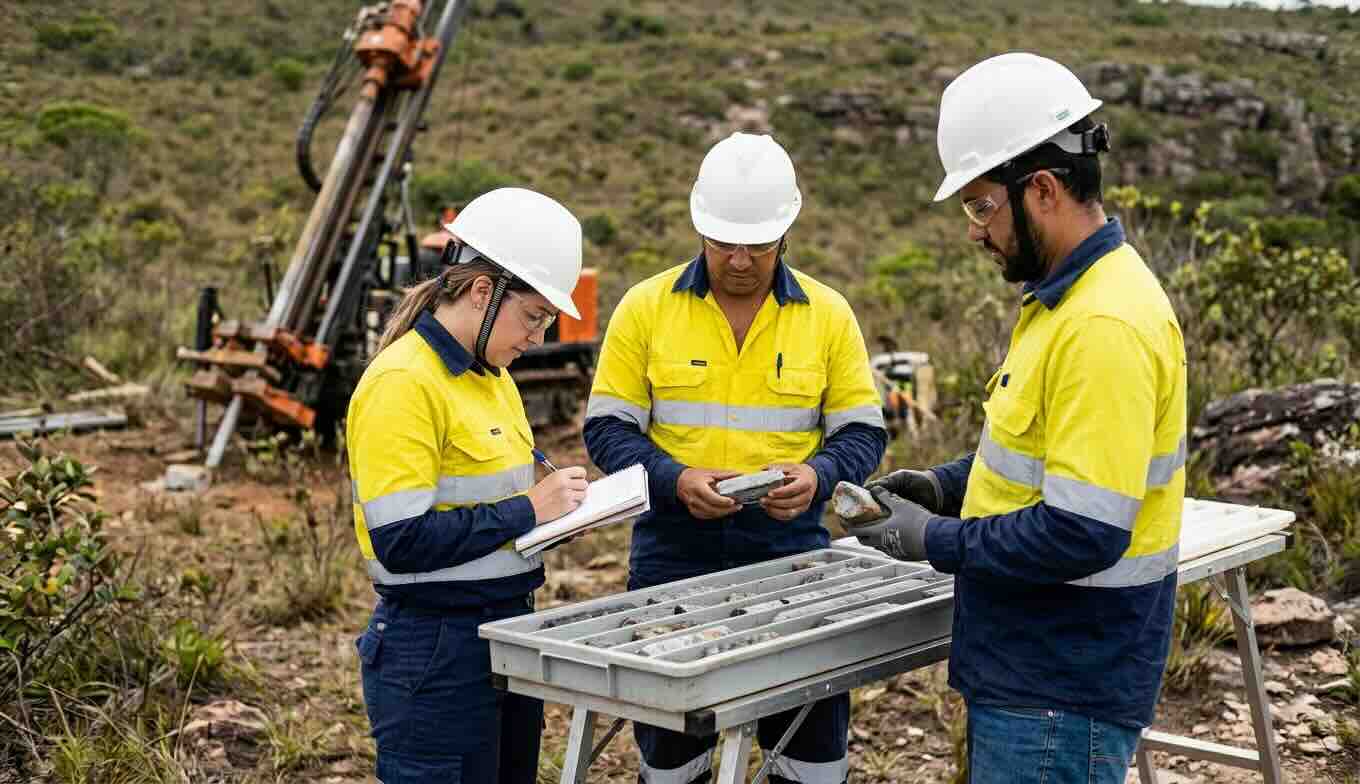
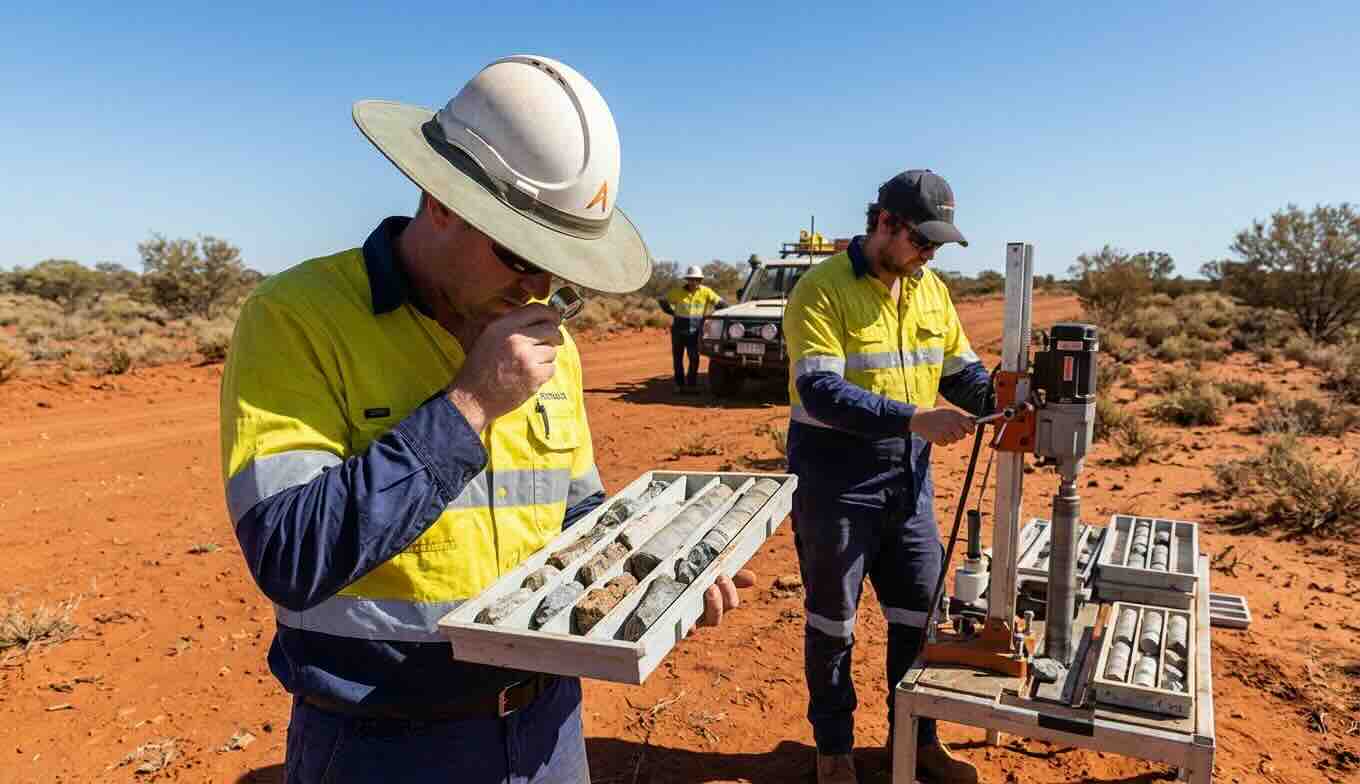
The latest results build on the broader Bluebush programme, which has already delivered 448 holes for 3,708 metres, including diamond, truck-mounted auger and handheld auger drilling. With more results expected, the geological picture should continue to develop.
A larger landholding creates room for further discoveries
Alvo's consolidation of Bluebush is another important part of the growth story. The company now controls approximately 9,859 hectares across the northern Serra Dourada granite, following the acquisition of 575 hectares at EZX for US$210,000 and an earn-in agreement providing the opportunity to secure up to 85% of the 656-hectare Florence tenement.
The geological setting is attractive, with the broader Serra Dourada region also hosting the neighbouring Serra Verde ionic clay rare earth operation, acquired by USA Rare Earth in a transaction valued at approximately US$2.8 billion.
While this regional comparison does not establish equivalent resource quality or project economics, it highlights the importance of the geological setting and the opportunity for Alvo to define a meaningful rare earth system of its own.
At Florence, maiden drilling has commenced, with early work identifying clay zones up to 20 metres thick. More than 100 auger holes were planned to assess the prospect's potential, providing another avenue for exploration success beyond Boa Vista.
Metallurgical testing could unlock the next stage
The focus is now shifting towards demonstrating that the mineralisation can be processed efficiently.
Previous metallurgical testing confirmed ionic adsorption clay characteristics, with reported maximum extractions of 89% for neodymium, 86% for praseodymium, 53% for dysprosium and 69% for terbium under weakly acidic test conditions.
These historical results provide an encouraging starting point, although further work is required to establish representative recoveries and commercial processing conditions.
Additional samples have been submitted to Australia's ANSTO facility for diagnostic and column leach testing, assessing potential processing pathways including in-situ recovery, heap leaching and vat leaching.
Successful testing could strengthen the development case by demonstrating that valuable rare earth elements can be extracted without requiring an unnecessarily complex or capital-intensive processing approach.
Additional funding supports the expanding exploration programme
Alvo's September quarterly report highlighted the importance of securing funding to maintain exploration momentum. Cash reserves stood at A$227,000 at 30 September 2026, following A$817,000 in operating cash outflows and A$114,000 in investing expenditure during the quarter.
The subsequent A$1 million placement announced in October, together with A$53,950 received from option exercises, provides additional financial flexibility to advance the exploration programme.
While the company remains pre-revenue, the funding supports continued work across Bluebush and its other exploration assets. Maintaining sufficient capital as the programme expands will remain important.
Beyond rare earths, Alvo is also progressing its Palma copper-zinc project, where downhole electromagnetic modelling identified a 590 to 660 siemens conductor at the Touro prospect as a priority target for further drilling.
Insight: Bluebush is developing into a more compelling exploration opportunity
What stands out to us is the combination of an expanding mineralised footprint and increasing heavy rare earth enrichment at depth. The latest programme extends Boa Vista across approximately 6.5 square kilometres, with DyTb grades averaging 35ppm below 7 metres. Together with encouraging historical metallurgical results and a larger consolidated landholding, Alvo is building a stronger geological proposition. Successful ANSTO testing, further drilling and a maiden resource in 2027 are the milestones that could establish Bluebush's longer-term potential.

 Mark Elzayed•