Aurum Resources Limited (ASX: AUE) has reached a significant milestone, lifting its combined gold resources to approximately 5 million ounces following a major upgrade at its flagship Boundiali project in Côte d’Ivoire.
The latest drilling results have strengthened the project's development potential, while a substantial capital raising has improved the company's financial position. The bigger question is whether Aurum can translate its growing resource base into a commercially successful gold operation.
Key numbers
- 3.84 million ounces: Boundiali gold resource following a 19% increase announced on 28 October 2026.
- 2.33 million ounces: Indicated Resources at Boundiali, up 37% from May 2026.
- $95.23 million: Cash reserves at 30 September 2026, with no debt.
- US$1.49 billion: Estimated post-tax net present value under the June 2026 pre-feasibility study's central gold-price scenario.
- US$342 million: Estimated pre-production capital required to develop Boundiali, with an accuracy range of ±25%.
Why Aurum's latest gold resource upgrade matters
The 28 October resource upgrade increased Boundiali's estimated gold inventory from 3.22 million ounces to 3.84 million ounces, supported by extensive drilling across several deposits.
More importantly, Indicated Resources increased by approximately 630,000 ounces to 2.33 million ounces.
This improvement matters because higher-confidence resources can support future Ore Reserve estimates, mine planning and project financing.
Aurum also established a maiden 130,000-ounce resource at BMT2, bringing the number of deposits with defined resources at Boundiali to seven.
Meanwhile, its Napié project contributes another 1.16 million ounces, expanding the company's exploration pipeline beyond its proposed flagship mine.
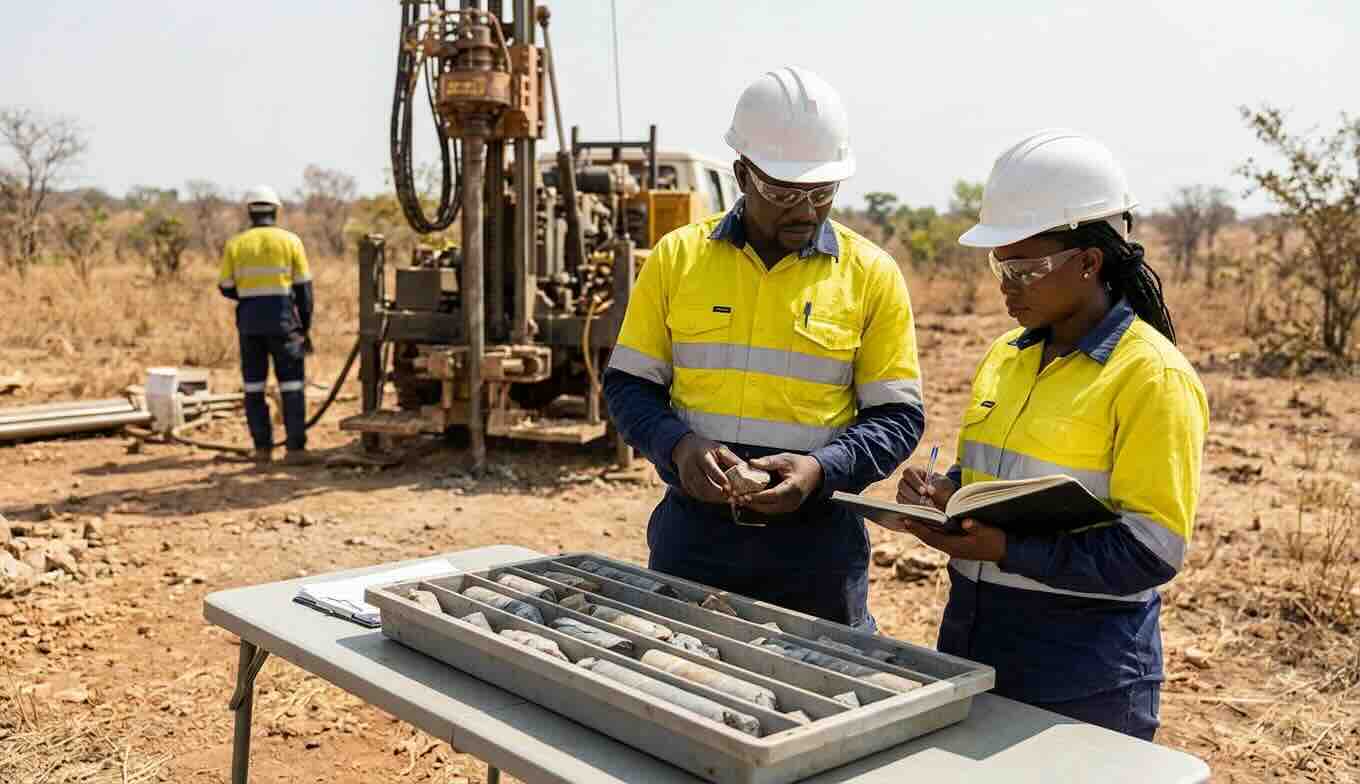
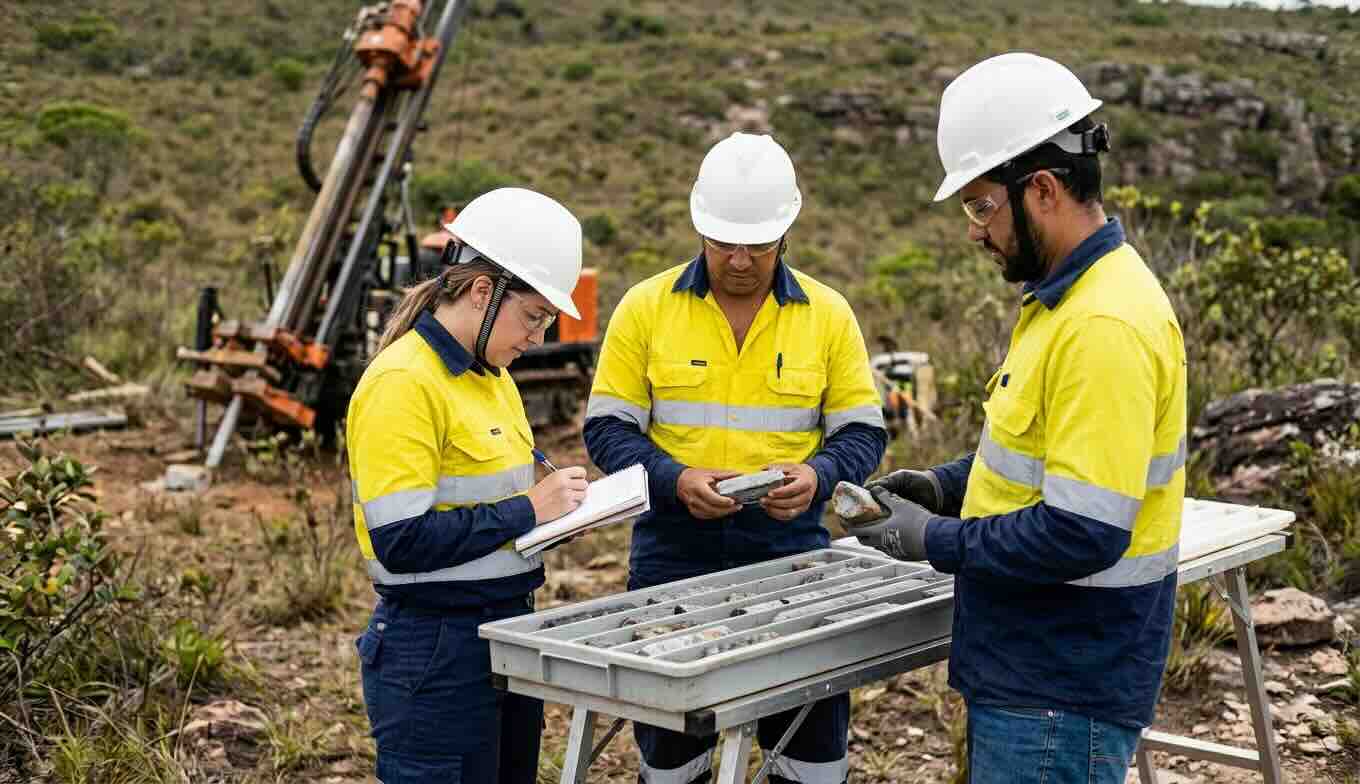
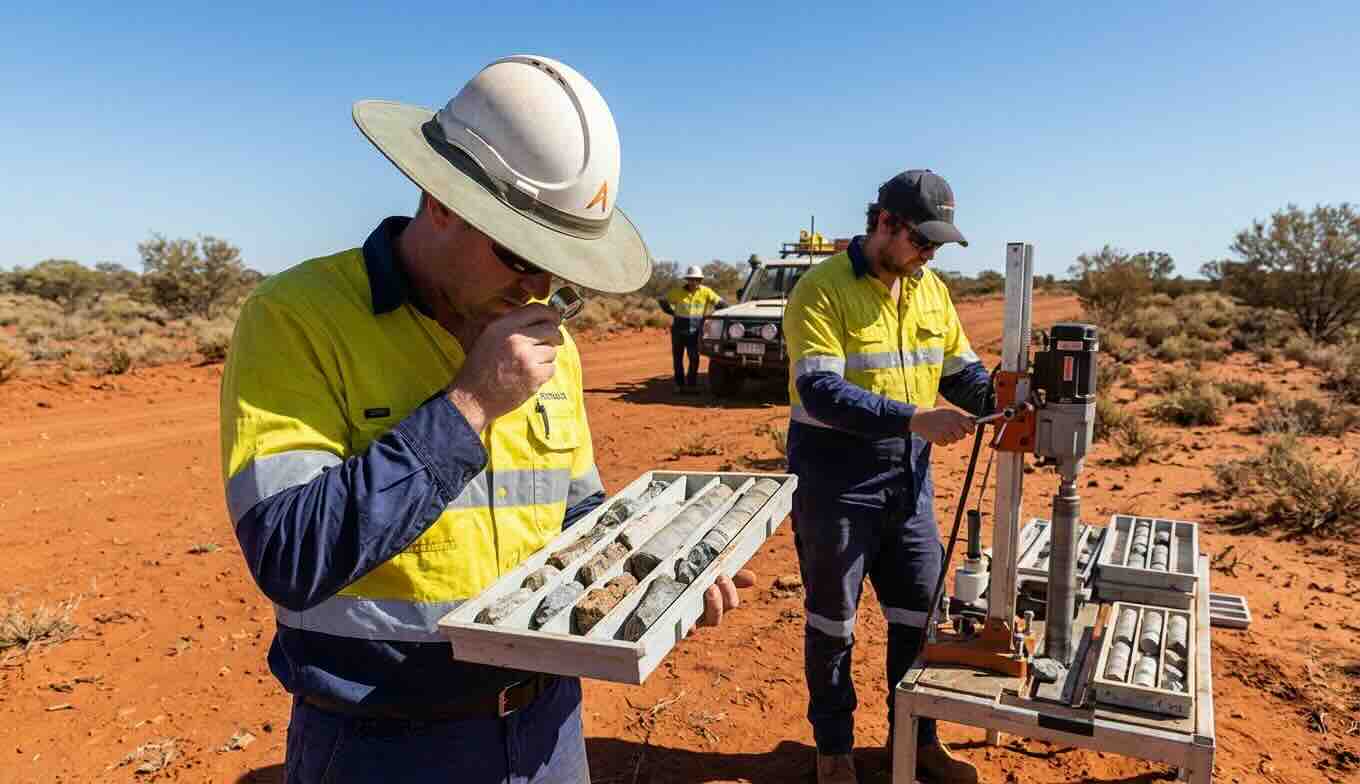
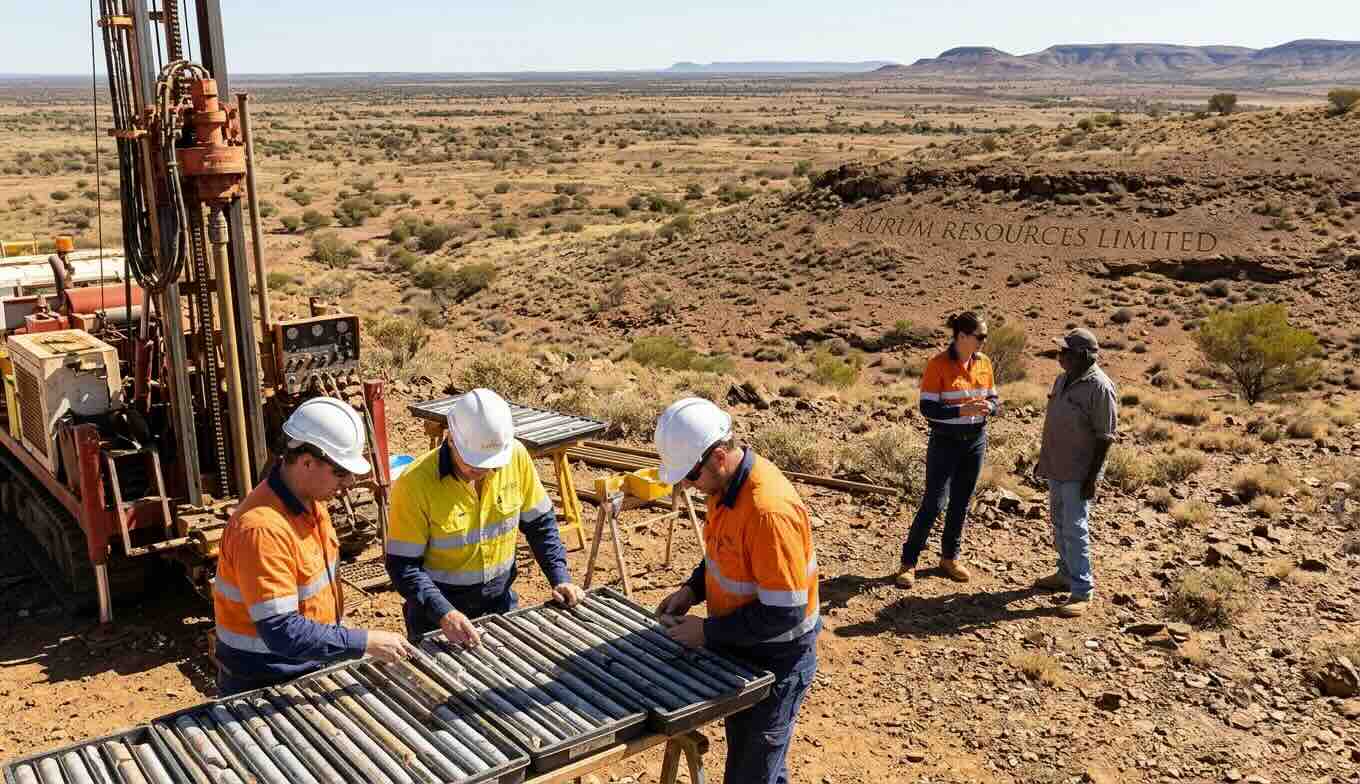
The company's 2026 drilling programme targets 180,000 metres, comprising 150,000 metres at Boundiali and 30,000 metres at Napié.
With 16 company-owned diamond drill rigs, Aurum has greater control over exploration scheduling, potentially accelerating resource definition while managing drilling costs.
Could Boundiali become a profitable gold producer?
The June 2026 pre-feasibility study outlined a proposed six-million-tonne-per-annum processing operation with an estimated 11-year mine life.
The development scenario anticipates approximately 1.5 million ounces of recovered gold, including average annual production of 185,000 ounces during the first five years.
Under the study's US$4,076-per-ounce gold assumption, Boundiali generated an estimated post-tax net present value of US$1.49 billion and an internal rate of return of approximately 119%.
Those figures are encouraging, but they represent projected economics rather than realised financial performance.
The study estimated average life-of-mine all-in sustaining costs of US$1,951 per ounce, suggesting potentially attractive operating margins if its assumptions are achieved.
However, profitability remains sensitive to gold prices, metallurgical recoveries, operating costs and construction expenditure.
Importantly, the production schedule incorporates Inferred Resources, which carry greater geological uncertainty.
Converting additional resources into Ore Reserves would strengthen confidence in the project's economic viability.
Strong cash reserves, but construction funding remains the challenge
Aurum ended September 2026 with $95.23 million in cash, compared with $54.62 million at the beginning of the quarter.
The increase primarily reflected a $52.5 million equity raising rather than operating cash generation.
During the quarter, operating cash outflows totalled $922,000, while exploration expenditure reached approximately $10.99 million.
Combined operating and exploration outflows were approximately $11.91 million, suggesting almost eight quarters of funding at that historical expenditure rate.
However, this calculation excludes the substantial increase in spending expected during mine development.
The estimated US$342 million construction requirement significantly exceeds available cash, making additional project financing a critical consideration.
Aurum's expanding resource base provides geological value, but conventional earnings multiples remain unsuitable before commercial production.
A meaningful valuation assessment will depend on updated project economics, financing terms, future dilution and confidence in the proposed production schedule.
What could unlock Boundiali's next development phase?
The definitive feasibility study, targeted for late 2026, represents Aurum's next major milestone.
The company aims to incorporate additional Indicated Resources into an updated Ore Reserve, potentially improving mine-life certainty and production planning.
Mining licence approvals also remain outstanding, despite environmental approvals obtained in May 2026.
Management targets first gold production in the first half of 2028, subject to financing, regulatory approvals and construction progress.
Aurum also faces a leadership transition following Richard Simpson's retirement as chairman on 30 October 2026. Mark Strizek has assumed the interim chairmanship while the company seeks a permanent successor.
Insight: Resource conversion could matter more than another discovery
What stands out to us is that Aurum's strongest opportunity may come from improving the economic quality of its existing resources rather than simply discovering more gold. Boundiali already contains 3.84 million ounces, but its current Probable Ore Reserve remains 1.21 million ounces. Converting additional resources into economically mineable reserves could improve production certainty and strengthen financing negotiations. The decisive test will be whether the definitive feasibility study delivers a larger reserve alongside credible construction costs.


 Mark Elzayed•