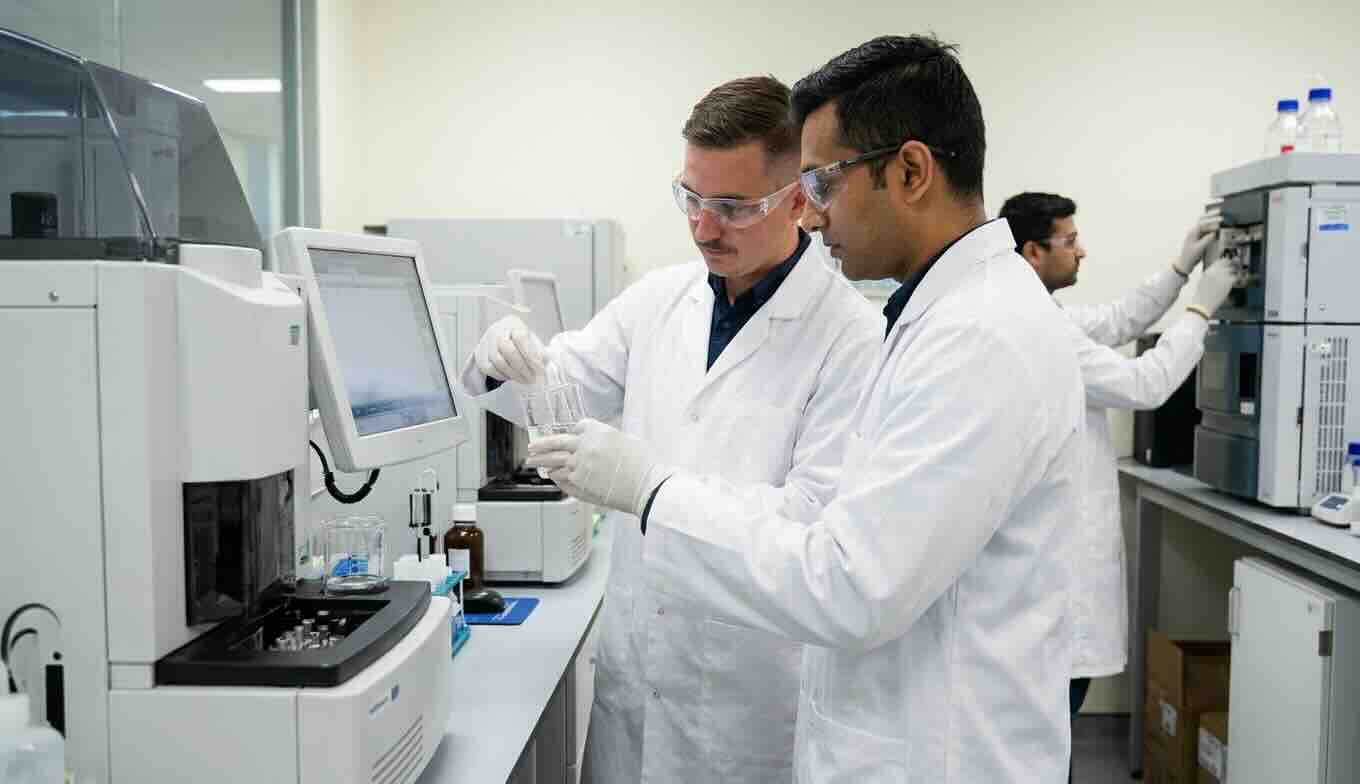
A reported 96% vanadium recovery from titanomagnetite has added another potential application to Mount Ridley Mines Limited's (ASX: MRD) proprietary Selectro processing technology. With earlier laboratory tests also demonstrating promising scandium, rare earth, aluminium and gallium recoveries, the company's commercial opportunity may extend beyond its substantial mineral resource portfolio.
The bigger question is whether Selectro can become an economically competitive processing technology across multiple industrial feedstocks, rather than remain a collection of promising laboratory results.
Key numbers
- 96%: Vanadium recovery reported from titanomagnetite in the 3 November 2026 announcement.
- 946.1 million tonnes: Inferred scandium mineral resource at Grass Patch, grading 50.1 parts per million.
- 91.8%: Scandium recovery achieved using Selectro, alongside approximately 84% average heavy rare earth recovery.
- 95%: Gallium recovery reported from a selected bauxite composite in October testing.
- $3.065 million: Cash at 30 September 2026, with quarterly operating cash outflow of $792,000.
The latest development
Mount Ridley's 3 November announcement reported 96% vanadium recovery from titanomagnetite using its Selectro technology.
The result introduces another potential industrial application for a process previously tested on scandium and rare earth-bearing material from Grass Patch, as well as third-party bauxite.
Vanadium is used in steel alloys and certain energy-storage technologies, making its recovery from titanomagnetite commercially relevant if processing can be demonstrated at competitive costs.
However, a laboratory recovery percentage does not establish commercial viability.
The key unanswered questions include reagent consumption, vanadium concentrations in the feedstock, product purity, separation efficiency and the cost of processing larger material volumes.
Without demonstrated economics, the latest result represents technical progress rather than evidence of future revenue.
What stands out to us
Mount Ridley's developing advantage is the potential adaptability of Selectro chemistry.
September testing achieved 91.8% scandium recovery while using approximately half the reagent dose of earlier trials. Subsequent bauxite testing delivered 91.9% aluminium recovery and 95% gallium recovery from selected material.
These results suggest the technology may have applications beyond a single deposit.
Nevertheless, performance across different feedstocks remains an important commercial uncertainty. Optimising recovery of one metal can compromise another, as demonstrated when gallium recovery fell to 41.5% during the improved scandium test.
The company's financial position also warrants attention.
At 30 September, Mount Ridley held $3.065 million in cash following a $2 million placement. Its $792,000 quarterly operating cash outflow implied approximately 3.9 quarters of funding at that historical expenditure rate.
Larger-scale testing and demonstration plant development could increase cash requirements substantially.
What the company is doing now
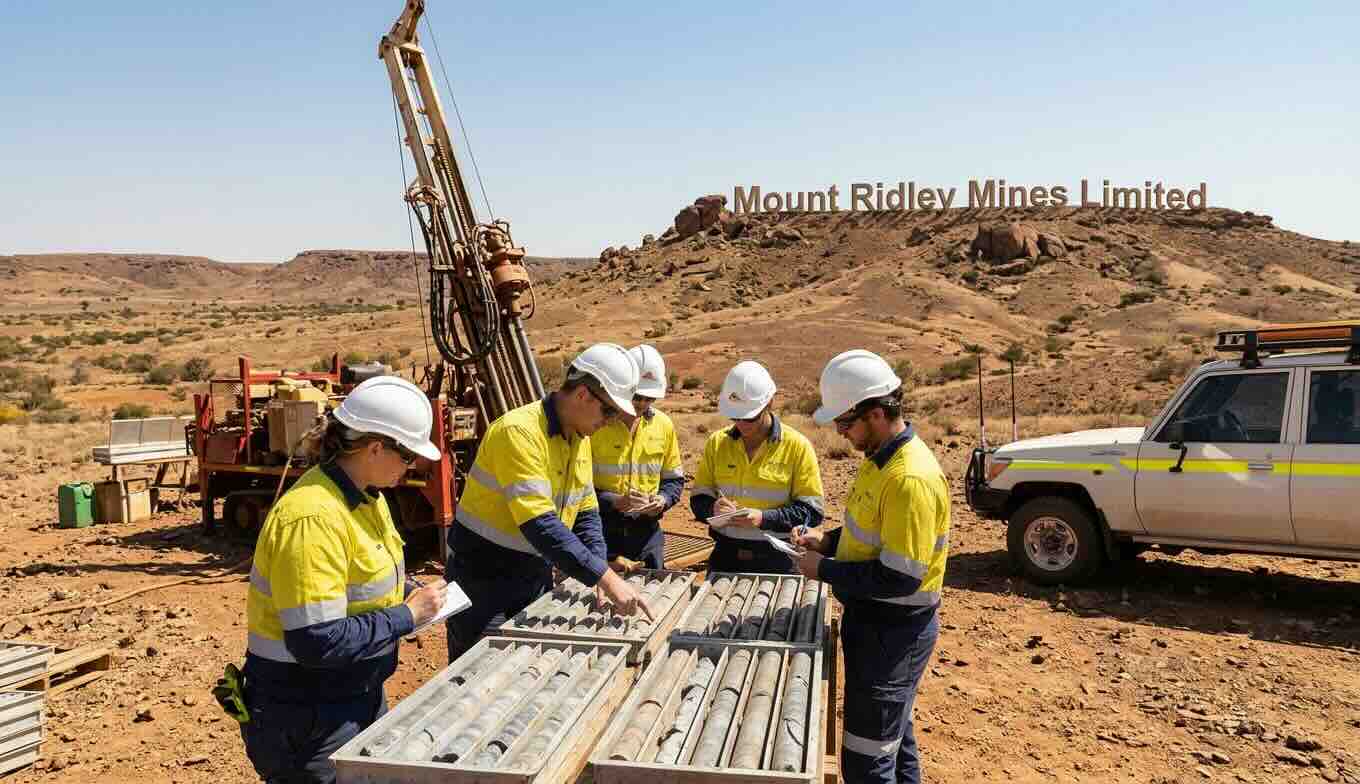
Mount Ridley is pursuing two interconnected opportunities: developing its Grass Patch Critical Minerals Project near Esperance and commercialising Selectro across alternative industrial materials.
Grass Patch contains an Inferred scandium resource of 946.1 million tonnes, representing approximately 47,357 tonnes of contained scandium metal.
The company is advancing flotation testing, resource re-assaying, processing optimisation and preliminary demonstration plant planning.
It has also lodged provisional patent applications covering Selectro technology and industrial processing applications.
These activities could support future licensing or processing opportunities, although no associated commercial revenue has been established.
Insight: Could Selectro Become More Valuable Than Grass Patch?
We think Mount Ridley's most interesting asset may ultimately be its processing technology rather than the sheer size of its scandium resource. The latest vanadium result strengthens the case for broader technical applications, potentially reducing reliance on a single mineral development project. However, laboratory recovery rates alone cannot justify substantial commercial valuations. Processing costs, feedstock variability, metal separation and funding requirements remain unresolved. Our assessment is cautiously positive on Selectro's technical potential but conservative on its financial value until independent scale-up results demonstrate repeatable, commercially competitive economics.
What happens next?
The most important milestones are further Selectro optimisation, bulk and pilot-scale testing, and clearer demonstration plant capital and operating cost estimates.
Additional Grass Patch resource work could strengthen the company's mineral development prospects, although the resource remains entirely Inferred.
For existing shareholders, the decisive development will be evidence that Selectro can deliver commercially attractive metal recovery at scale.
Mount Ridley has now demonstrated promising laboratory recoveries across several metals. Proving those recoveries can generate sustainable economic value is the challenge that matters most.

 Mark Elzayed•