A US$125 million convertible bond deal could give Sigma Lithium Corporation (ASX: SAU) the financial breathing room needed to rebuild its Brazilian lithium operations. The financing, upsized by 25% and priced on 3 November 2026 Australian time, promises lower borrowing costs and a longer debt maturity profile.
However, with just US$10 million in cash at the end of September and production recovering from operational disruptions, the bigger question is whether refinancing can translate into sustainable cash generation.
Key Numbers
- US$125 million: Convertible bond offering, increased from the original US$100 million.
- 7%: Fixed annual coupon, compared with 11.45% on existing secured borrowing.
- US$6.51: Conversion price per share-equivalent CDI, representing a 25% premium to the 2 November Nasdaq closing price.
- US$23 million: Preliminary September-quarter gross revenue, down 23% year-on-year.
- US$10 million: Cash and equivalents at 30 September 2026, against US$125 million in reported total debt.
The Financing Deal Changes Sigma Lithium's Debt Outlook
Sigma Lithium has priced its inaugural five-year convertible bond offering, with proceeds primarily intended to refinance secured debt owed to Synergy Capital.
The transaction would replace borrowing maturing in June 2027 with unsecured bonds due around November 2031.
Management estimates that refinancing could reduce short-term debt by approximately 80% on a pro forma basis.
The 7% fixed coupon also compares favourably with the existing floating borrowing rate of 11.45%, potentially reducing interest expenses.
However, the full US$125 million offering would carry annual coupon payments of US$8.75 million before any conversions or repayments.
Importantly, this is predominantly debt refinancing rather than US$125 million of additional unrestricted cash.
The bonds also introduce potential dilution. At the initial US$6.51 conversion price, full conversion would represent approximately 19.2 million additional share-equivalent CDIs, subject to adjustments.
Bondholders can demand repayment after three years, potentially creating another refinancing obligation in 2029.
What Stands Out to Us
The financing addresses an immediate balance-sheet concern, but Sigma Lithium's operating performance remains the greater challenge.
Preliminary September-quarter production totalled just 7,293 tonnes following interruptions involving local authorities.
Despite these disruptions, the company reported plant-gate operating cash costs of US$424 per tonne and a 32% gross margin.
These figures indicate potential cost competitiveness, although gross margins do not account for every corporate, financing and capital expenditure requirement.
The company's reported US$62 million in potential near-term liquidity from inventory sales, receivables and offtake instalments also remains conditional on collection and execution.
We think valuation should focus on sustainable production earnings, free cash flow and net debt rather than theoretical expansion capacity.
Without reliable normalised earnings, a precise fair-value estimate would be difficult to defend.
What the Company Is Doing Now
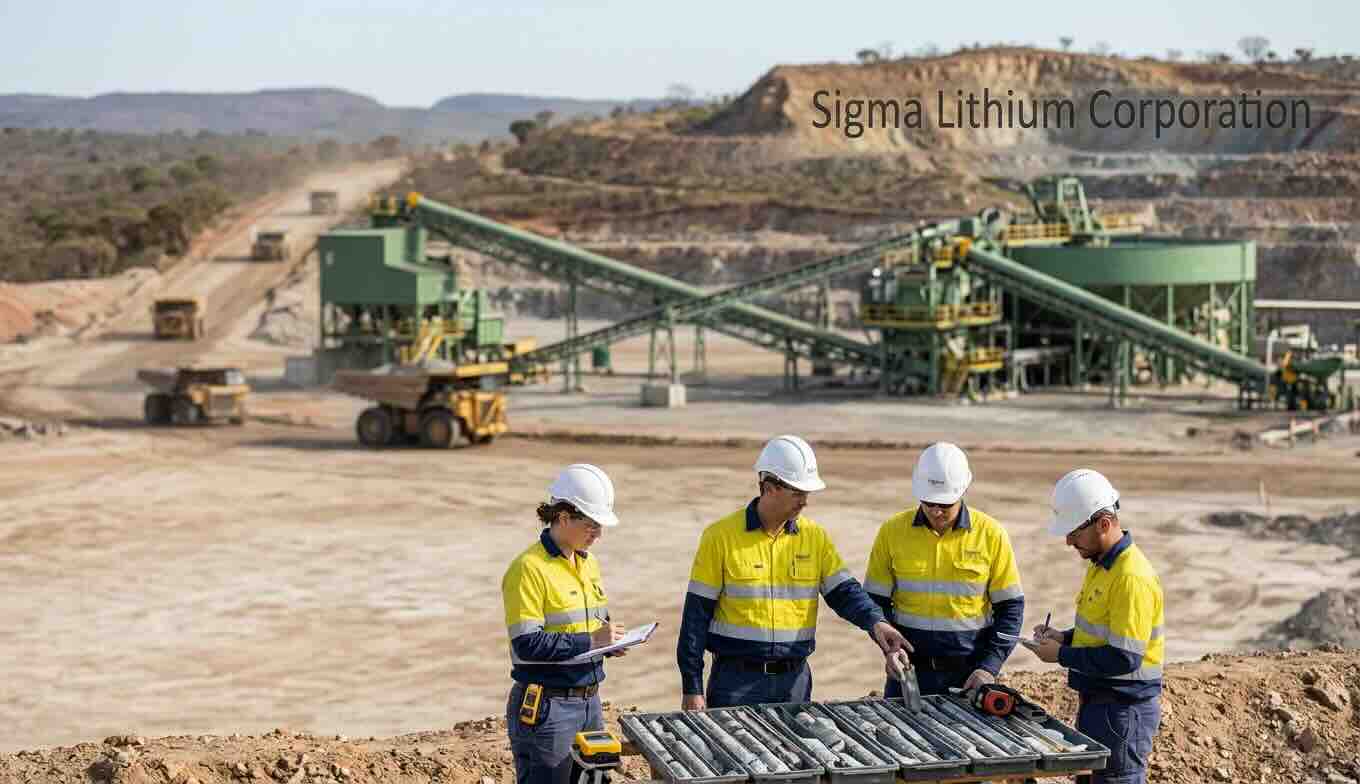
Sigma Lithium operates the Grota do Cirilo lithium complex in Brazil, supplying lithium concentrate to battery-materials markets.
Following operational suspensions, production resumed in October after favourable legal developments.
The company reported processing and selling approximately 10,000 tonnes of previously accumulated inventory during the December quarter, alongside producing approximately 9,000 tonnes of new high-grade concentrate by its latest update.
Management expects 240,000 tonnes of production over the next 12 months and targets a 330,000-tonne annualised production rate in 2027 from its existing plant.
Longer-term expansion plans could increase capacity, although additional funding and successful execution would be required.
Insight: Can Lower Debt Costs Unlock Sustainable Cash Flow?
We think Sigma Lithium's refinancing is a constructive development, particularly because it reduces near-term repayment pressure while preserving an established producing asset. However, financial flexibility should not be mistaken for financial strength. The company's relatively low reported unit costs offer genuine commercial potential, but recent operational interruptions highlight the vulnerability of earnings and cash generation. The 7% coupon improves borrowing terms, yet dilution and the 2029 repayment option introduce longer-term risks. Our assessment would strengthen materially if production stabilises, inventory converts into cash and operating cash flow consistently covers capital expenditure and financing costs.
What Happens Next?
Sigma Lithium expects to release its full September-quarter results on 11 November 2026, followed by the bond transaction's anticipated completion around 16 November, subject to regulatory and exchange approvals.
Those milestones should clarify liquidity, refinancing progress and the financial impact of restarting production.
Beyond the financing, the decisive test is whether Sigma Lithium can deliver consistent output, maintain competitive costs and generate positive free cash flow.
The bond deal may provide additional time, but operational execution will determine whether the financial reset creates lasting value for shareholders.

 Mark Elzayed•






