A maiden gold resource of 3.08 million ounces has transformed Waratah Minerals Limited (ASX: WTM) from a drilling-driven exploration story into a company with a substantial defined gold inventory. Yet the most intriguing aspect of its Spur Gold Project in New South Wales may be what remains outside the initial estimate.
With only approximately one-third of the prospective gold corridor incorporated into the resource, Waratah is targeting further growth towards 5 million ounces. The challenge now is demonstrating that geological scale can translate into an economically attractive mining project.
Key numbers
- 3.08 million ounces: Maiden JORC Mineral Resource comprising 82.9 million tonnes at approximately 1.2 grams per tonne gold.
- 820,000 ounces Indicated: Approximately 27% of the resource, with the remaining 2.26 million ounces classified as Inferred.
- 5.1–10.4 million ounces: Additional conceptual Exploration Target, separate from the maiden Mineral Resource.
- 50,000 metres: Drilling planned over six months to support resource expansion towards 5 million ounces.
- $44.46 million: Cash held at 30 September 2026, following quarterly operating cash outflows of approximately $12.03 million.
The latest development
On 4 November 2026, Waratah delivered its maiden Mineral Resource Estimate for the Spur and Consols gold zones within its flagship Spur Project.
The estimate covers approximately 2 kilometres of a mineralised corridor extending around 6 kilometres, providing an initial measure of the project's geological scale.
Consols accounts for approximately 2.17 million ounces, while Spur contributes around 910,000 ounces.
Importantly, the company has outlined a separate Exploration Target of 5.1 million to 10.4 million ounces across the broader project.
That range remains conceptual and is not an established Mineral Resource. Further exploration is required, and there is no certainty that additional mineralisation will ultimately satisfy resource classification requirements.
Nevertheless, the maiden estimate establishes a substantial foundation for continued exploration.
What stands out to us
The most compelling feature is the combination of resource scale, geological continuity and further exploration potential.
Waratah reports an all-in discovery cost of approximately $14.62 per resource ounce, including acquisition expenditure. While encouraging, this measures discovery expenditure rather than the cost of developing or producing gold.
Early metallurgical testing has returned gold recoveries ranging from approximately 89% to 97% using gravity separation and conventional leaching.
However, recoveries across the complete deposit remain unproven, and mine optimisation studies have not been completed.
Financially, Waratah's September-quarter cash position provides considerable exploration flexibility.
At the reported quarterly operating cash outflow, existing cash represents approximately 3.7 quarters of expenditure, although accelerated drilling could increase spending.
With a pre-announcement market capitalisation of approximately $299 million, based on a $0.77 share price on 2 November 2026, Waratah's valuation increasingly depends on the commercial quality of Spur rather than discovery potential alone.
What the company is doing now
Waratah is advancing exploration across Spur, Consols, Ironclad, Goldenclad and other prospects within its New South Wales portfolio.
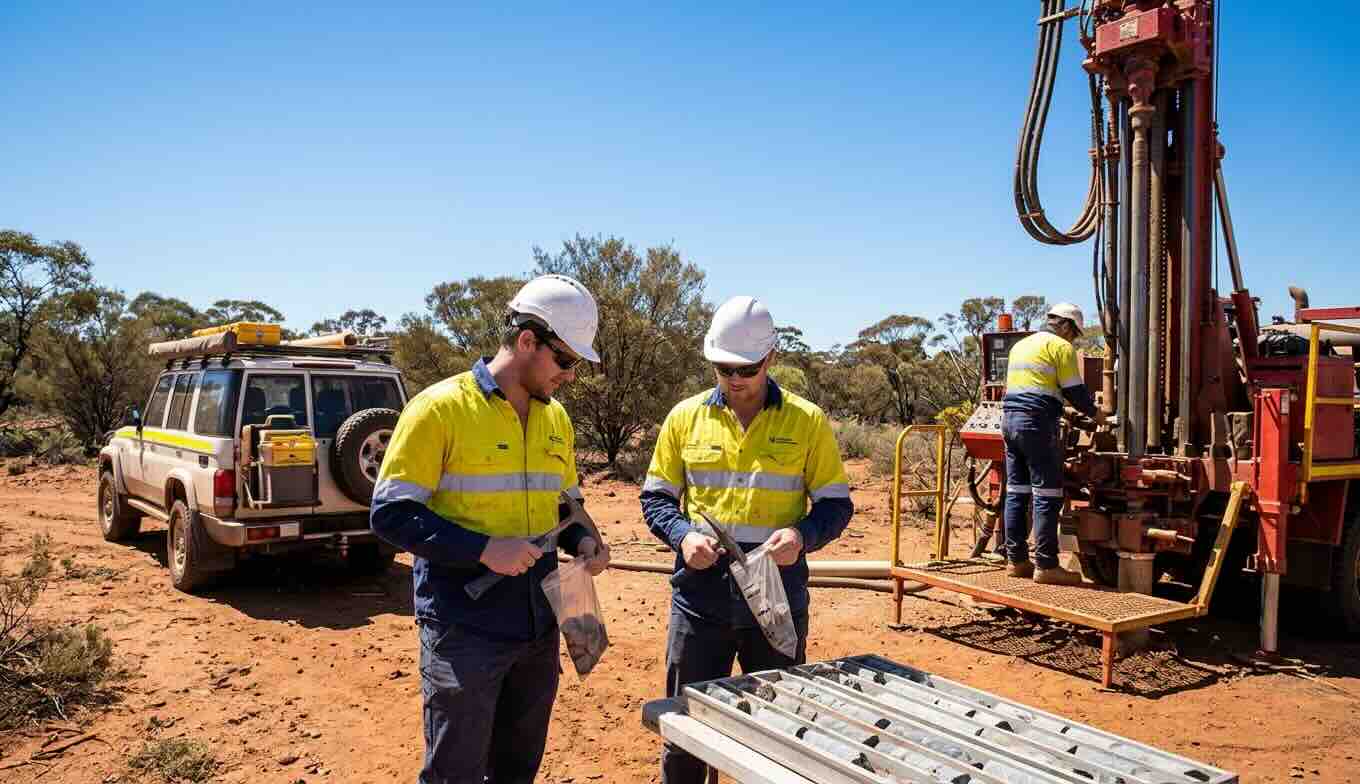
The company has reported 12 diamond drilling rigs operating and 353 permitted drill holes, with approximately 50,000 metres of drilling planned over six months.
Recent drilling at Consols returned 46 metres grading 7.27 grams per tonne gold, including 10 metres at 28.93 grams per tonne.
Meanwhile, the acquisition of the Ironclad Mining Lease has strengthened Waratah's position across the broader mineralised corridor.
These activities are intended to expand the resource, improve geological confidence and determine whether multiple mineralised zones could support a larger development.
Insight: Can Waratah Turn Geological Scale Into Commercial Value?
We think Waratah has established a credible foundation for a potentially substantial Australian gold development. The maiden resource is meaningful, particularly given the remaining exploration potential and encouraging early metallurgical results. However, approximately 73% remains Inferred, and the project lacks completed mine optimisation and economic studies. Its real value will depend on recoverable ounces, mining costs, capital requirements and resource conversion. Further drilling could materially strengthen the development case, but resource growth alone will not establish profitability. The next phase must demonstrate economic quality alongside geological scale.


 Mark Elzayed•





