James Hardie Industries (ASX: JHX) has delivered a 44% increase in quarterly adjusted EBITDA despite continued weakness in the US housing market. Its latest results, released on 6 November 2026 Australian time, also include an upgraded annual free cash flow target exceeding US$650 million.
The stronger performance raises a critical question: can James Hardie sustain its expanding margins while reducing the substantial debt associated with its AZEK acquisition?
Key Numbers
- US$1.43 billion: Second-quarter FY27 revenue from continuing operations, up 24% year-on-year.
- US$454.7 million: Quarterly adjusted EBITDA, up 44%, with a 31.8% margin.
- US$535.4 million: First-half free cash flow, compared with US$58.4 million a year earlier.
- Above US$650 million: Upgraded FY27 free cash flow target, including discontinued operations.
- US$4.99 billion to US$5.13 billion: Reaffirmed FY27 revenue guidance from continuing operations.
The Latest Development: Stronger Earnings Despite Housing Weakness
James Hardie's results for the quarter ended 30 September 2026 demonstrate improving profitability across its building products operations.
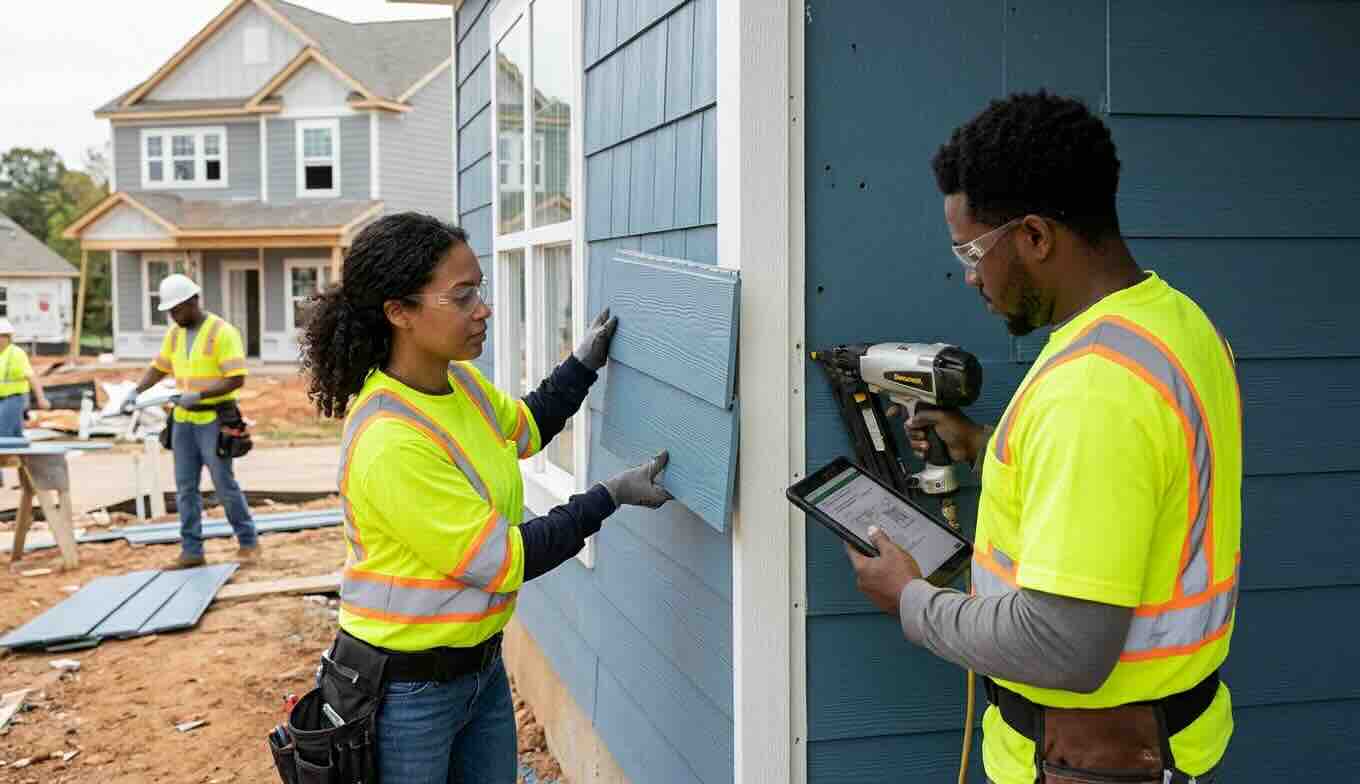
Siding & Trim revenue increased 15% to US$880.3 million, supported by higher fibre cement volumes, favourable pricing and market-share gains against competing materials.
Deck, Rail & Accessories revenue climbed 51% to US$387 million, reflecting stronger customer demand, improved distribution and initial orders through Boise Cascade.
Net income from continuing operations reached US$149.8 million, reversing a US$64.3 million loss in the comparable quarter.
However, adjusted EBITDA excludes certain expenses, including share-based compensation under revised FY27 definitions. Lower acquisition-related expenses also benefited reported profitability.
These distinctions matter when assessing how much of the improvement represents sustainable operating performance.
What Stands Out to Us: Cash Flow Strengthens the Balance Sheet
The most significant development is James Hardie's improved cash generation.
First-half operating cash flow reached US$693.7 million, supporting US$535.4 million in free cash flow after US$158.3 million in capital expenditure. These figures include discontinued operations.
The company repaid US$111 million of term-loan debt during the quarter, although substantial borrowings remain following the AZEK acquisition.
Its balance sheet also carries significant acquired intangible assets and asbestos-related liabilities.
We think stronger cash generation improves the financial outlook, but valuation remains sensitive to financing costs, future earnings and the sustainability of current margins.
The market must also distinguish genuine organic growth from acquisition-related contributions and temporary working capital benefits.
Without a consistently verified current equity valuation, a precise earnings multiple would risk overstating the attractiveness of the business.
What James Hardie Is Doing Now
James Hardie is expanding distribution, increasing product adoption and integrating AZEK's decking portfolio with its established fibre cement operations.
Management is also pursuing the €840 million sale of its European Fermacell operations to Holcim, with completion expected during the first half of calendar 2027.
Approximately US$600 million of anticipated proceeds is intended for debt repayment.
Meanwhile, previously announced facility closures in California and South Carolina are expected to generate approximately US$25 million in annualised FY27 savings.
These initiatives could improve operating efficiency and accelerate debt reduction, although the European transaction remains subject to completion.
Insight: Can James Hardie's Margins Support Its Valuation?
We think James Hardie's established brands, distribution network and product differentiation provide meaningful competitive advantages. The latest results demonstrate improving operating performance and substantially stronger free cash flow, strengthening the case for continued debt reduction. However, the business remains exposed to weak US construction activity, acquisition integration costs and considerable financial obligations. Its valuation requires sustainable earnings rather than acquisition-driven growth alone. Our assessment is cautiously constructive on business fundamentals, but continued margin resilience, organic growth and declining leverage are essential to support market expectations.
What Happens Next?
Management expects third-quarter FY27 adjusted EBITDA of US$298 million to US$320 million, reflecting seasonal weakness, higher freight costs and challenging market conditions.
Full-year adjusted EBITDA guidance remains US$1.446 billion to US$1.534 billion.
The company is targeting net leverage below 2.0 times adjusted EBITDA by the end of the second quarter of FY28, supported by cash generation and anticipated European divestiture proceeds.
For shareholders, the next results will test whether James Hardie's strong first-half performance represents sustainable improvement or whether margins face renewed pressure.
The decisive question is whether its enlarged building products platform can consistently convert market-share gains into profitable growth, stronger cash flow and a healthier balance sheet.


 Mark Elzayed•





