A 38-metre gold intersection grading 2.1 grams per tonne has given Asara Resources Limited (ASX: AS1) an encouraging exploration result beyond its established Massan deposit in Guinea. The discovery at Sogosogoba, approximately eight kilometres northeast of Massan, raises an important question: could Kada support multiple gold deposits rather than relying predominantly on one resource?
The opportunity is significant, but proving that additional mineralisation can contribute economically to a future mining operation remains the critical challenge.
Key Numbers
- 38m at 2.1g/t gold: Standout intersection from 48m downhole at Sogosogoba.
- 15m at 1.4g/t gold: Separate near-surface intersection from 9m in the same drill hole.
- 2.08 million ounces: Kada's existing Mineral Resource, including 1.27 million ounces classified as Indicated.
- 125% resource growth: Increase in Kada's Mineral Resource reported on 31 August 2026.
- $53.69 million: Cash and cash equivalents at 30 September 2026.
The Latest Development: A New Gold Target Takes Shape
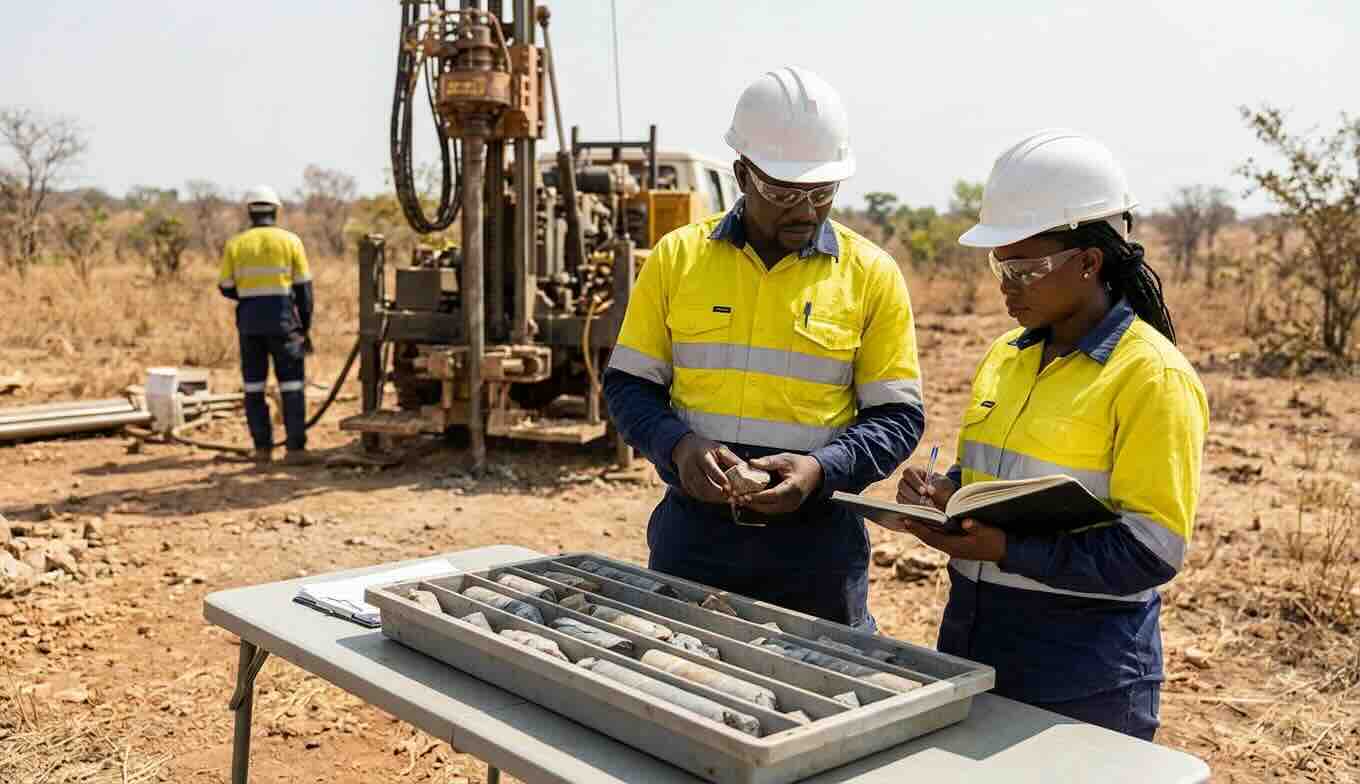
On 6 November 2026, Asara released results from maiden reverse-circulation drilling at Sogosogoba, within its recently acquired Damissa Koura exploration area.
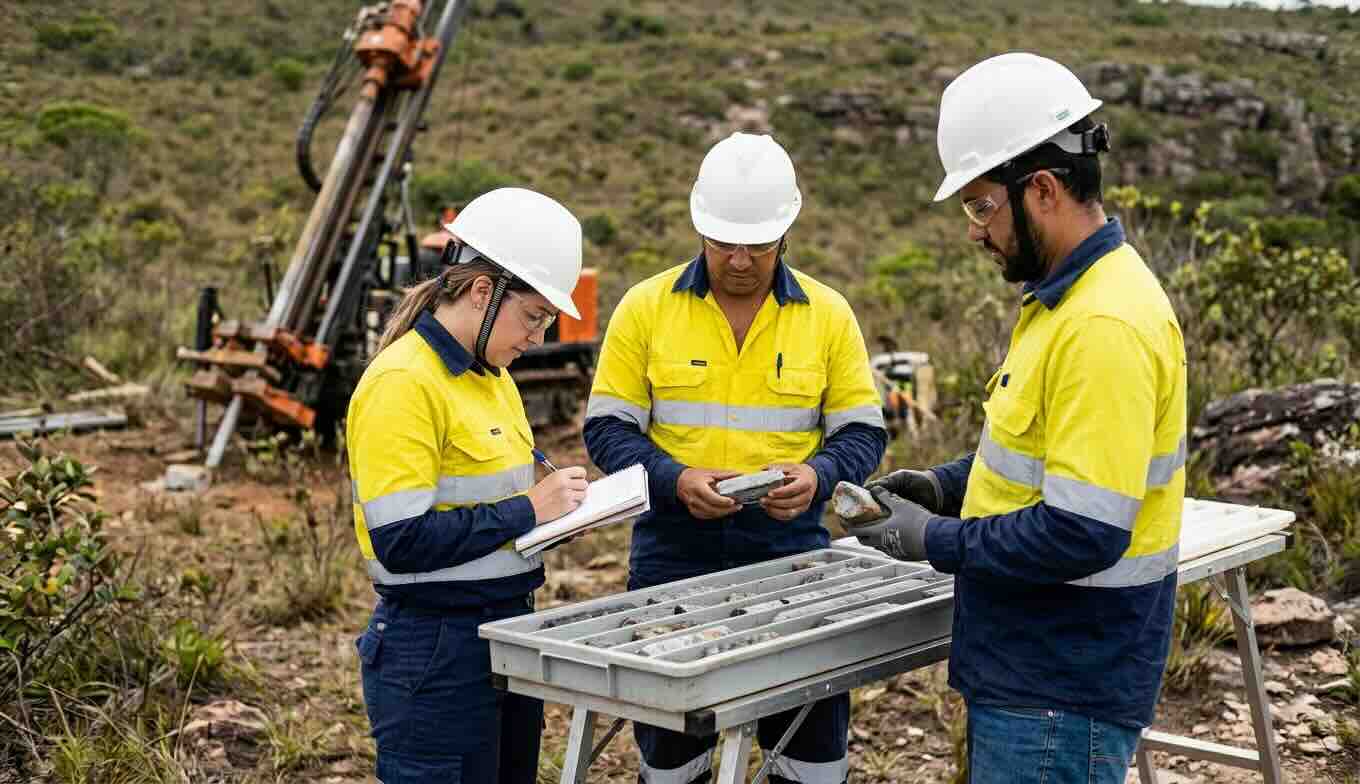
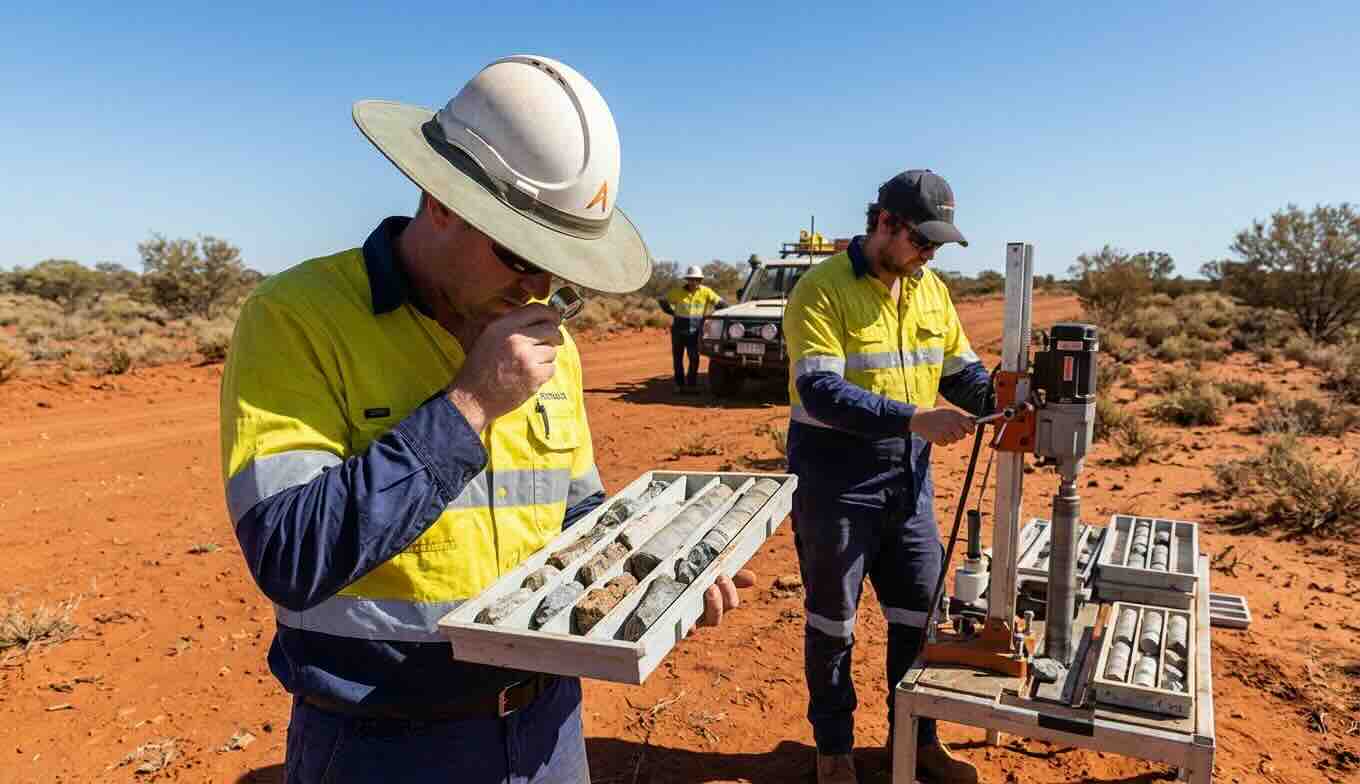
Hole SGRC26-004 intersected 38m at 2.1g/t gold from 48m, including higher-grade intervals of 5m at 6.1g/t, 5m at 4.3g/t and 3m at 5.0g/t.
The same hole returned a separate 15m intersection grading 1.4g/t from just 9m downhole.
Another hole, SGRC26-003, delivered 3m at 5.0g/t from 19m, including 1m at 14.1g/t.
Both holes drilled within the principal surface gold anomaly intersected significant oxide mineralisation, providing encouraging evidence of a mineralised system beneath the geochemical target.
However, results from only five holes were reported. Two returned no significant intersections, while another delivered narrower mineralised intervals.
These findings remain preliminary and do not establish a Mineral Resource at Sogosogoba.
What Stands Out to Us
The most interesting feature is the potential for shallow oxide mineralisation beyond Massan, which accounts for approximately 2.04 million ounces of Kada's existing resource.
Oxide mineralisation can offer processing advantages over some deeper sulphide deposits, although recoveries and costs must be established through testing.
If further drilling establishes sufficient scale and continuity, Sogosogoba could eventually provide an additional ore source for a broader Kada development.
Ownership also matters.
Asara currently holds 51% of the Kada permit, with the right to increase its interest to 75% by funding the definitive feasibility study. The reported resource figures are presented on a 100% project basis.
Consequently, gross contained ounces cannot be treated as directly attributable economic value.
What the Company Is Doing Now
Asara is advancing resource expansion, regional exploration and technical studies across Kada.
During the September quarter, the company completed 33,223m of drilling across 241 holes at Massan, while regional exploration included auger drilling at Sogosogoba.
Its expanded exploration portfolio includes Damissa Koura and Kankan West, with further priority targets identified for testing.
The company is also progressing metallurgical testing, geotechnical investigations and environmental studies towards a definitive feasibility study targeted for the second quarter of 2027.
Exploration and evaluation expenditure reached $8.48 million during the September quarter.
Although its substantial cash balance supports ongoing activities, the capital required for eventual mine construction remains an important unresolved consideration.
Insight: Could Satellite Discoveries Improve Kada's Economics?
We think Sogosogoba strengthens Asara's exploration prospects, particularly because meaningful oxide mineralisation has been identified beyond its principal resource area. However, the discovery's financial contribution remains uncertain. Additional deposits could improve future mine planning and potentially support shared infrastructure, but only if drilling establishes sufficient tonnage, grades and recoveries. Asara's cash position provides flexibility to advance this work, while its resource base offers a foundation for development studies. Our assessment remains cautiously positive on exploration potential, with project economics and funding requirements carrying greater weight than isolated high-grade intersections.
What Happens Next?
Further drilling at Sogosogoba will test mineralisation continuity, lateral extensions and the potential for a future resource estimate.
Asara also intends to advance additional targets within its regional exploration pipeline while continuing resource conversion and feasibility work at Massan.
The definitive feasibility study, targeted for completion by the end of June 2027, remains the major development milestone.
For shareholders, the next question is not simply how many ounces Asara can discover. It is whether Kada's expanding mineral inventory can support a commercially attractive, financeable gold operation with sustainable operating margins.


 Mark Elzayed•