Dyno Nobel Limited (ASX: DNL) has delivered record explosives earnings of $485 million and forecast further growth in FY27, strengthening its position as a global explosives specialist. However, weaker operating cash flow, declining underlying net profit and rising capital requirements reveal a more complicated financial picture.
The company's latest results raise an important question: can Dyno Nobel convert its improving explosives performance and emerging defence opportunities into sustainable cash generation?
Key Numbers From FY26 Results
For the financial year ended 30 September 2026:
- Explosives underlying EBIT: $485 million, up 12% from $434 million in FY25.
- Explosives revenue: $3.406 billion, with statutory group revenue reaching $3.941 billion.
- Underlying net profit: $331 million excluding individually material items, down approximately 22% from $423 million.
- Operating cash flow: $276 million, down 52% from $575 million.
- FY27 underlying EBIT guidance: $515 million to $555 million, representing approximately 6% to 14% growth.
Dyno Nobel also declared a final dividend of 5 cents per share, 50% franked.
Record Explosives Earnings Strengthen the Outlook
Dyno Nobel's 9 November results confirmed stronger earnings across its core explosives operations, supported by contract renewals, improved commercial execution and transformation initiatives.
Asia Pacific underlying EBIT increased 10% to $281 million, while the Americas delivered 19% growth to $224 million.
However, earnings across Europe, the Middle East, Africa and Latin America declined 40% to $18 million, highlighting uneven regional performance.
The completion of the Phosphate Hill sale in June finalised Dyno Nobel's exit from fertilisers, allowing management to concentrate on explosives manufacturing, technology and specialist services.
This strategic simplification strengthens the company's operating focus, although it does not eliminate financial or execution risks.
What Stands Out: Earnings Growth Is Not Cash Flow Growth
The most important distinction in Dyno Nobel's results is between improving explosives earnings and weaker group cash generation.
Despite the 12% increase in underlying explosives EBIT, operating cash flow declined to $276 million.
Underlying group net profit also fell approximately 22%, while statutory net profit reached $66 million after individually material losses.
Explosives capital expenditure totalled $282 million in FY26, broadly matching operating cash flow, although these measures are not directly equivalent to consolidated free cash flow.
Management expects capital expenditure to increase to approximately $370 million to $420 million in FY27.
The company has also completed $574 million in share buybacks under its capital return programme, which ended in September 2026.
We think the earnings momentum is encouraging, but higher investment requirements could constrain near-term financial flexibility.
What Dyno Nobel Is Doing Now
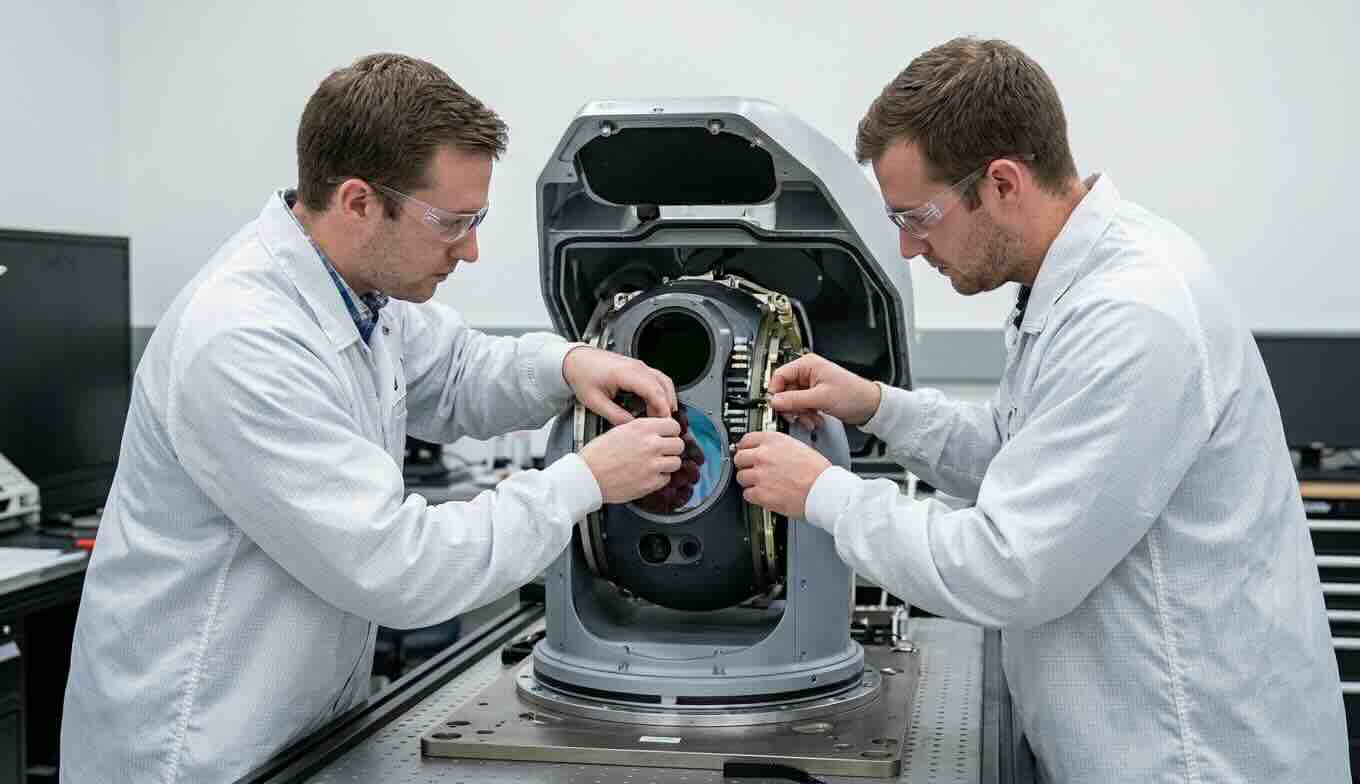
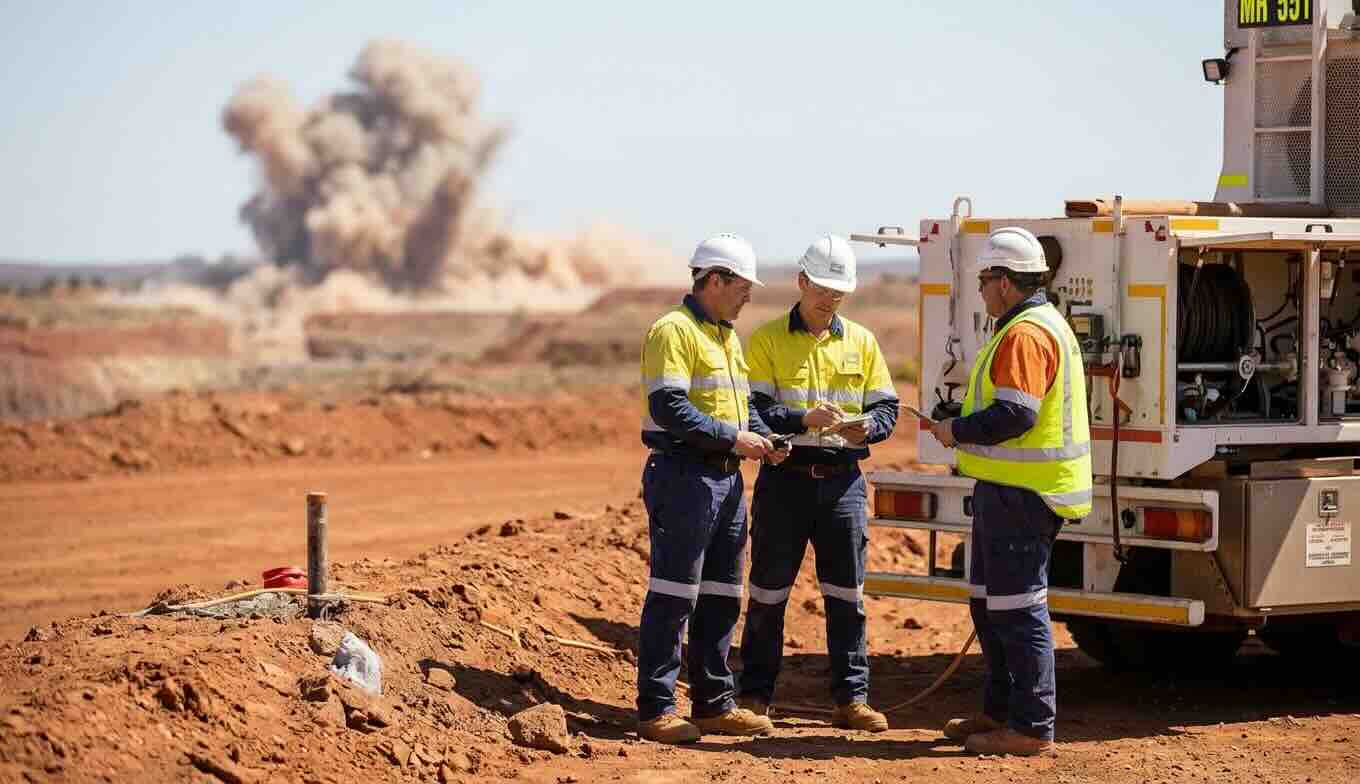
Dyno Nobel is expanding in Canada, Western Australia, Africa and Latin America while increasing its focus on premium explosives technology.
Its transformation programme delivered $185 million in cumulative EBIT benefits between FY24 and FY26.
Defence energetics represents another potential growth platform.
Through its Nitradyn joint venture, the company has secured approximately US$1.016 billion in government-funded TNT and IMX explosives projects.
These awards support future manufacturing capacity rather than representing immediately recognised revenue. Management anticipates earnings contributions from late 2028, subject to successful project delivery and commissioning.
Insight: Can Dyno Nobel Turn Its Transformation Into Sustainable Value?
We think Dyno Nobel's competitive position is strengthening as its established manufacturing infrastructure, technical expertise and long-term customer relationships support higher explosives earnings. The defence energetics opportunity adds another potential growth driver, while operational improvements demonstrate management's ability to execute. However, declining operating cash flow and underlying net profit weaken the immediate financial case. With capital expenditure increasing, valuation depends heavily on sustainable earnings growth and stronger cash conversion. We would place greater weight on improving free cash flow and returns on invested capital than ambitious long-term earnings targets alone.
What Happens Next?
Dyno Nobel is targeting underlying EBIT of $600 million in FY28 and $800 million in FY31, although these remain management ambitions rather than formal guidance.
For FY27, scheduled plant maintenance and higher capital expenditure will test the company's operational discipline.
Management expects approximately 40% of annual earnings in the first half, making the second-half recovery particularly important.
The next meaningful indicators will be operating cash flow, capital expenditure, contract profitability and progress across defence energetics projects.
Dyno Nobel has demonstrated its ability to grow explosives earnings. The more important challenge is proving that this growth can deliver stronger cash generation and sustainable shareholder value.


 Mark Elzayed•