Li-S Energy Limited (ASX: LIS) has reached a significant battery technology milestone, developing lithium-sulfur cells capable of delivering up to 50 times the peak discharge rate of its earlier energy-focused design.
Announced on 9 November 2026, the development could expand the company's opportunities in defence drones, robotics and autonomous systems. However, the critical question is whether this technological advance can translate into commercial contracts and sustainable revenue.
Key Numbers
- 50 times higher peak discharge rate: The new 11Ah Power Cell reaches 10C, compared with the company's earlier C/5 Energy Cell.
- Nearly 400 Wh/kg: Reported energy density of the new high-power battery cells.
- 2,400 W/kg: Peak power density, alongside continuous power density of 1,700 W/kg.
- $12.15 million: Cash reserves at 30 September 2026, following quarterly operating cash outflows of approximately $2.05 million.
- $4.86 million: FY2026 comprehensive loss, compared with $6.41 million in FY2025.
New Battery Technology Expands Defence Opportunities
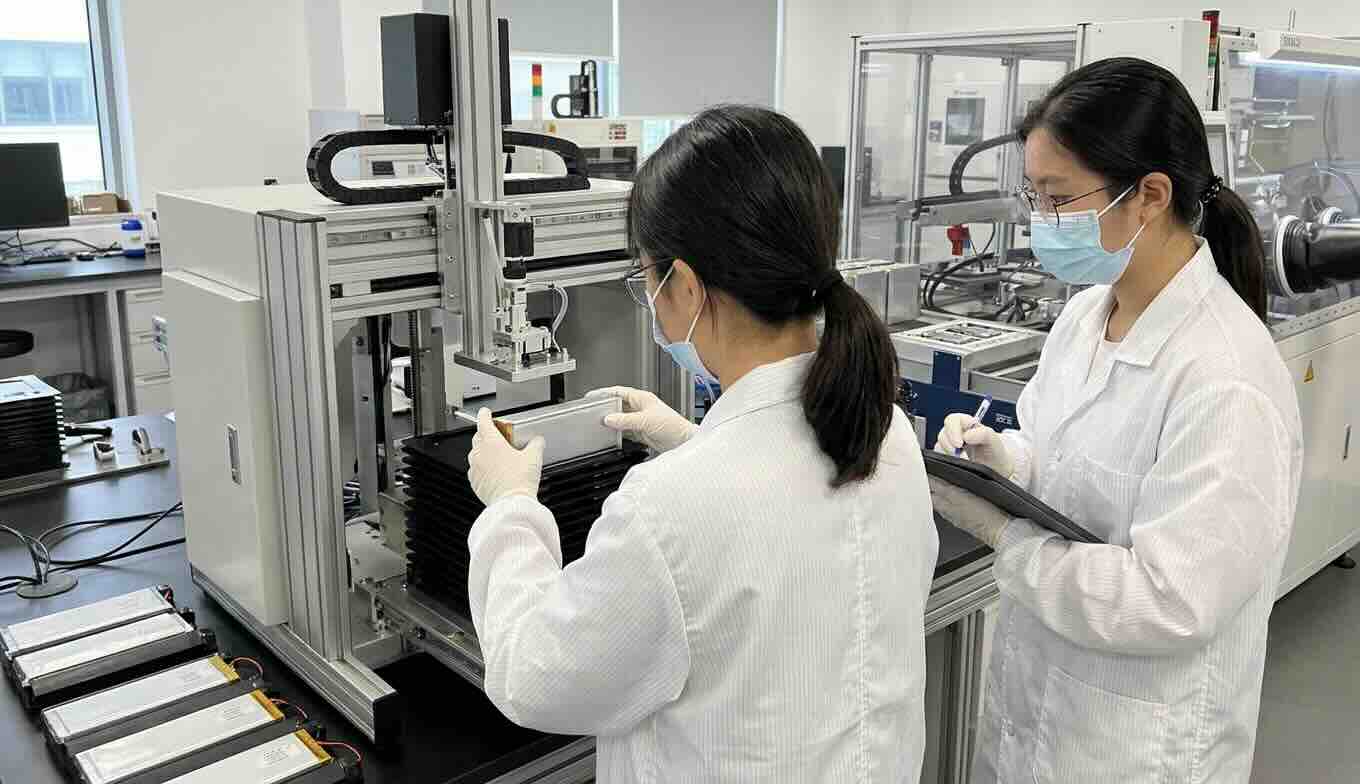
Li-S Energy has completed development, testing and characterisation of two high-power lithium-sulfur battery designs manufactured on its automated Phase 3 production line.
The 11Ah Power Cell operates at 7C continuously and 10C peak, delivering approximately 96% of its stored energy at the continuous discharge rate.
Its 10Ah counterpart operates at 2C continuously and 5C peak, delivering 100% of stored energy at its continuous rate while targeting applications requiring longer cycle life.
Both designs have completed technical datasheets, which have been shared with commercial partners under confidentiality agreements.
The development addresses a longstanding limitation of lithium-sulfur batteries: delivering high power while maintaining their lightweight energy-storage advantages.
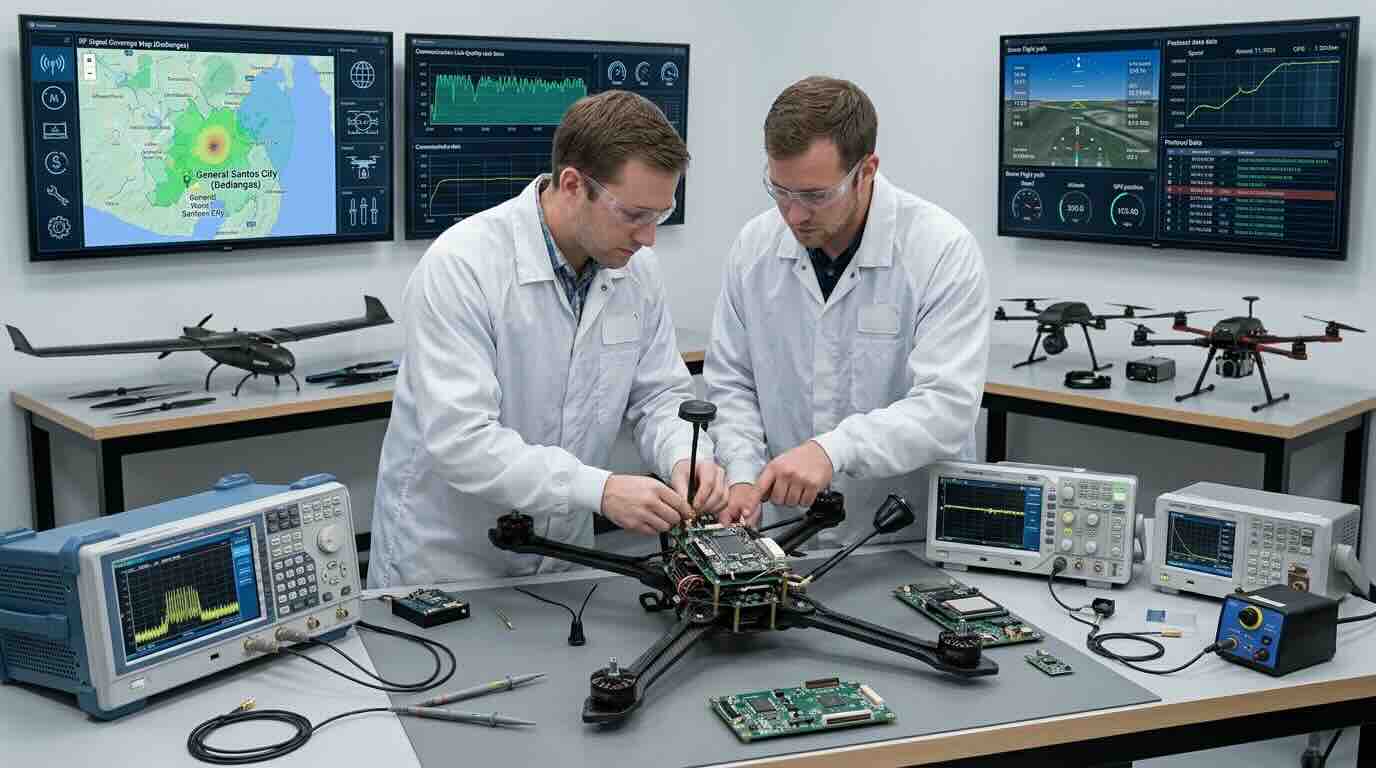
Potential applications include fast multi-rotor drones, soldier-carried equipment, robotics and communications systems.
Importantly, the 50-fold improvement compares discharge rates within Li-S Energy's own technology portfolio. It does not establish a corresponding advantage over competing lithium-ion batteries.
What Stands Out to Us
The announcement potentially expands Li-S Energy's addressable market beyond long-endurance aviation and marine applications.
Its existing technology prioritises energy density, helping reduce battery weight and extend operating range. Higher discharge rates could make the technology suitable for platforms requiring substantial bursts of power.
However, technical progress remains ahead of commercial validation.
The September-quarter cash flow report recorded approximately $2.05 million in net operating cash outflows. At that historical rate, the company's $12.15 million cash balance represents approximately 5.9 quarters of operating expenditure, excluding additional investing requirements.
FY2026 results also showed no revenue from customer contracts, highlighting the company's early commercialisation stage.
We think conventional earnings-based valuation remains unsuitable. The market is primarily assessing future commercial potential rather than established profitability.
What Li-S Energy Is Doing Now
Li-S Energy is progressing several defence and aerospace evaluation programs.
The company shipped its first battery cells to US Army DEVCOM in August 2026, while a separate drone demonstration achieved nearly two hours of flight endurance.
It is also advancing collaborations with Safesky Systems and EPE targeting defence applications.
On 5 November, Li-S Energy reported successful pressure testing of its 10Ah lithium-sulfur cells under conditions equivalent to 1,000 metres underwater, supporting its collaboration with UK submarine developer MSubs.
Meanwhile, its $7.8 million ARENA-supported manufacturing development program is helping advance plans for larger-scale Australian battery production.
These developments strengthen its technical credentials, although testing partnerships do not guarantee procurement contracts.
Insight: Can Battery Innovation Justify Li-S Energy's Valuation?
We think Li-S Energy has demonstrated meaningful technological differentiation, particularly in combining high discharge rates with lightweight battery construction. Its automated production capability also provides a stronger commercial foundation than laboratory testing alone. Nevertheless, its competitive advantage remains commercially unproven. Customer qualification, cycle-life performance and manufacturing economics will determine whether the technology can generate attractive margins. Cash consumption introduces additional funding risk. Our assessment would improve with binding supply agreements, repeat orders and evidence that production can scale without excessive capital expenditure. Until then, commercial expectations remain ahead of demonstrated financial performance.
What Happens Next?
The next meaningful milestone is converting customer evaluations into binding commercial supply agreements.
Further defence testing, battery-pack integration and improvements in energy density could strengthen Li-S Energy's competitive position.
However, order volumes, production costs and cash generation will ultimately matter more than additional performance records.
For shareholders, the decisive question is whether Li-S Energy can establish sustainable commercial revenue before substantial additional funding becomes necessary.
The technology has advanced considerably. The next challenge is proving that customers will purchase it at commercially sustainable prices.

 Mark Elzayed•