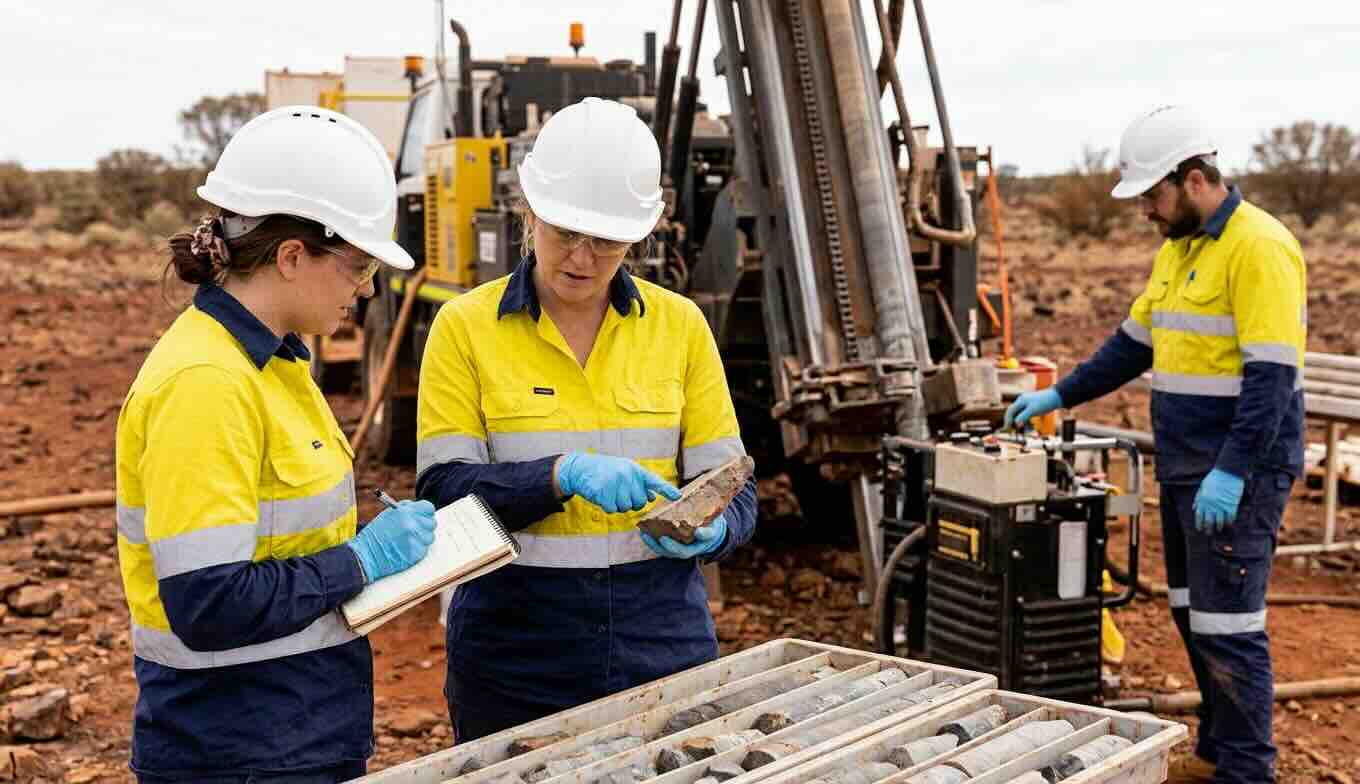
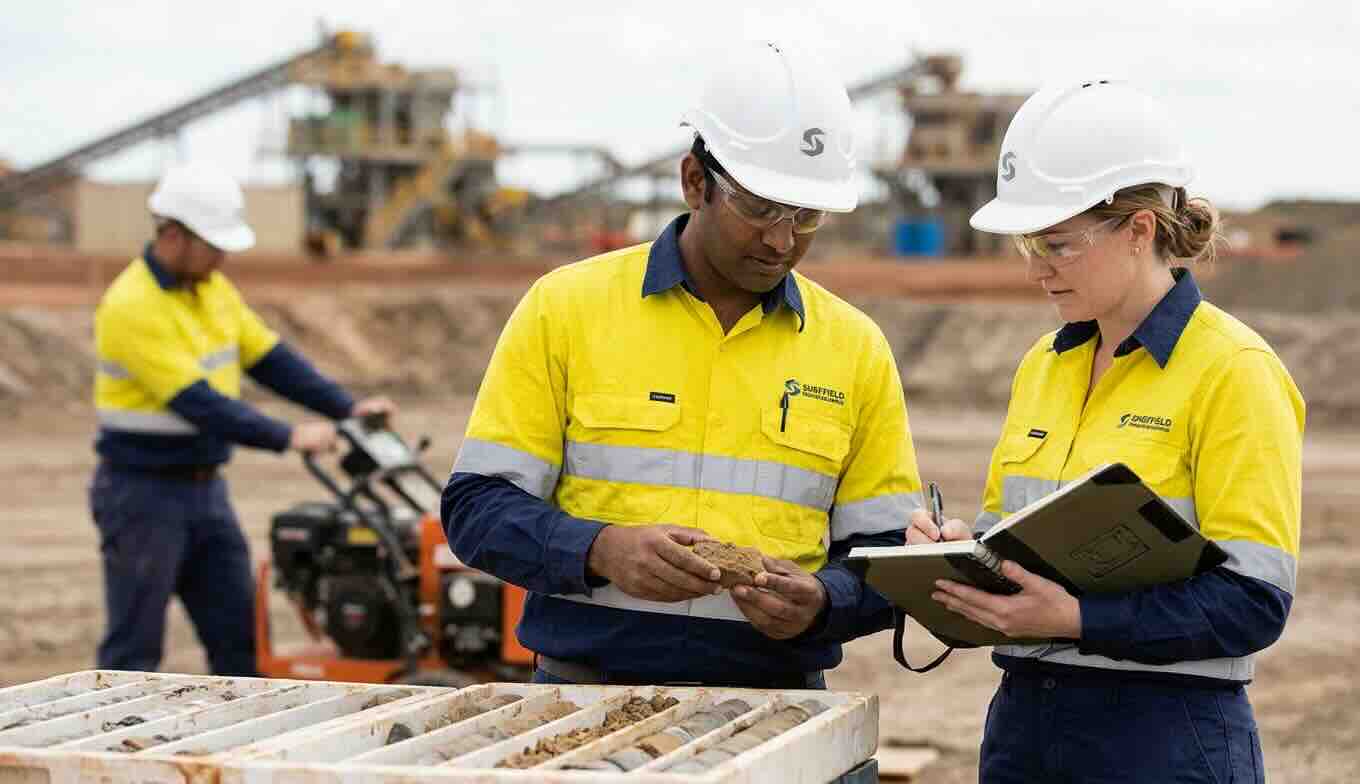
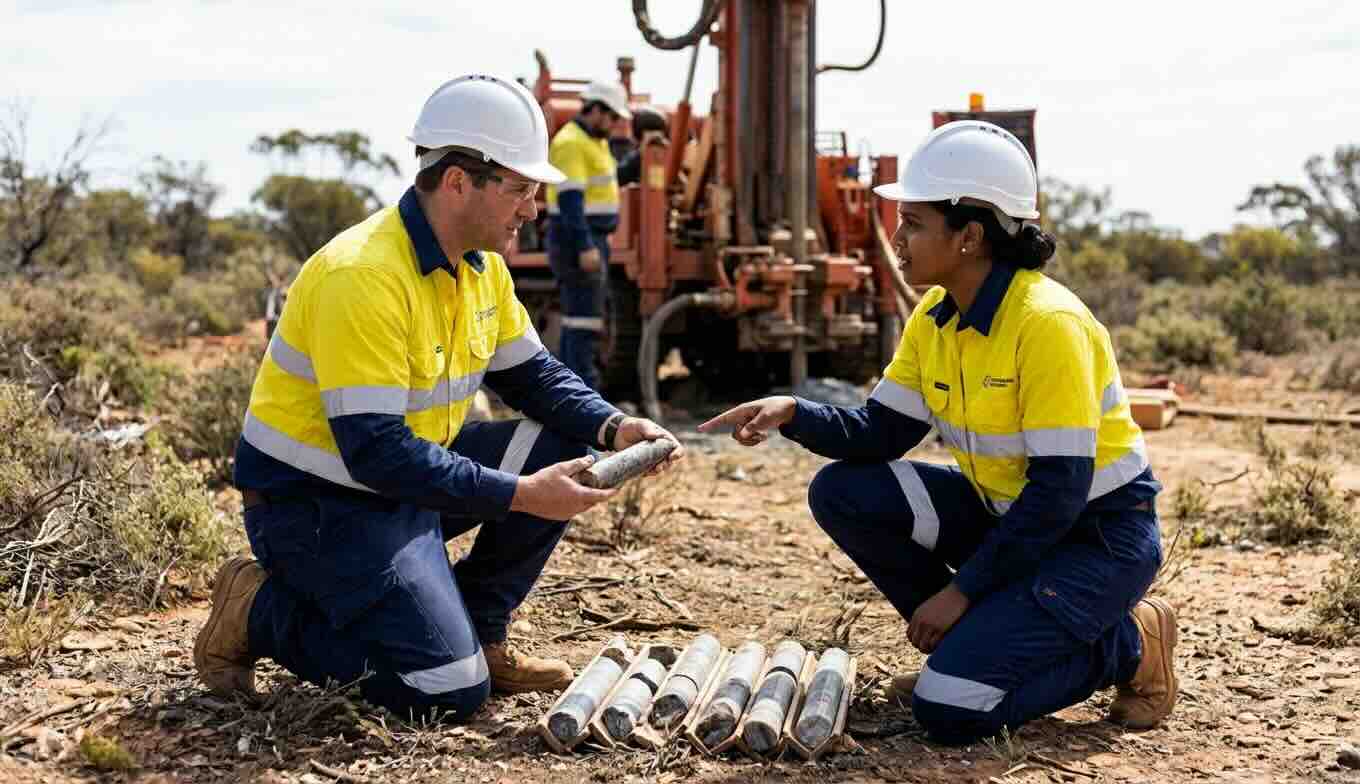
Vulcan Energy Resources Limited (ASX: VUL) is doubling its heavy-duty drilling capacity as construction accelerates at its flagship Lionheart lithium and geothermal project in Germany.
With approximately €51 million (A$82 million) invested across two company-owned drilling rigs, Vulcan is gaining greater control over a critical stage of its development. But the real test is whether faster drilling can support its ambitious 2028 production target without pushing costs beyond budget.
Key Numbers
- €51 million (approximately A$82 million): Total investment in Vulcan's two drilling rigs, rather than new expenditure announced today.
- 28 wells: Targeted Lionheart drilling programme, with seven wells already in place.
- 24,000 tonnes annually: Target lithium hydroxide monohydrate production capacity.
- €2.2 billion: Lionheart's secured project financing package.
- €209.4 million: Cash and longer-term deposits reported at 30 September 2026, including €129.4 million in cash and cash equivalents.
Second Drill Rig Strengthens Lionheart Development
On 10 November 2026, Vulcan reported the mobilisation of its newly refurbished V10 drilling rig to Trappelberg, the fourth well site within Lionheart's development programme.
The rig will operate alongside V20, enabling drilling activities across multiple locations.
V10 has 2,000 horsepower, a 500-tonne hook load capacity and pressure systems rated to 7,500 psi, supporting the demanding requirements of deep geothermal drilling.
Both rigs are operated through Vercana, Vulcan's wholly owned drilling subsidiary.
This in-house capability could reduce dependence on external contractors, improve scheduling flexibility and strengthen operational control as construction activity increases.
However, mobilisation is not equivalent to completed drilling. The financial benefit will depend on drilling productivity, well performance and whether additional capacity delivers measurable improvements in project execution.
What Stands Out to Us
Lionheart combines lithium production with renewable geothermal energy, creating a potentially differentiated business within Europe's battery supply chain.
The project targets annual production of 275 gigawatt-hours of renewable electricity and 560 gigawatt-hours of heat alongside lithium hydroxide.
Successful integration could strengthen Vulcan's cost competitiveness, although commercial-scale performance remains unproven.
Recent drilling results provide encouraging evidence.
Testing of the LSC-3a reinjection well demonstrated an estimated capacity of approximately 64 standard litres per second, exceeding the development assumption of around 40 litres per second.
Nevertheless, Vulcan remains in a capital-intensive construction phase.
During the September 2026 quarter, the company reported €11.1 million in net operating cash outflows and €88.8 million in property, plant and equipment expenditure.
These figures highlight the importance of disciplined project spending and timely access to committed funding.
What Vulcan Is Doing Now
Beyond drilling, Vulcan is progressing geothermal infrastructure, lithium extraction facilities and downstream chemical processing operations.
The company has commenced commercial-scale production of its proprietary VULSORB lithium extraction material and secured its second lithium production licence for Lionheart.
During the September quarter, Vulcan received €53.7 million in strategic equity contributions and €10.7 million in German government grants.
It is also advancing Project Ludwig, its proposed second German lithium development.
Ludwig's preliminary feasibility study estimated a post-tax net present value of €1.7 billion using an 8% discount rate. That remains a modelled project valuation, dependent on development, operating and commodity-price assumptions.
Insight: Can Drilling Control Translate Into Commercial Returns?
We think Vulcan's second drilling rig represents meaningful operational progress rather than a fundamental change in project economics. Owning critical equipment offers greater control over construction schedules, while successful well testing strengthens confidence in Lionheart's technical assumptions. However, the company still faces considerable execution risk before generating meaningful lithium revenue. Its €2.2 billion financing package supports development but also brings funding conditions and future financial obligations. Our assessment remains cautiously constructive on the project's potential, with commercial-scale production costs, capital discipline and operational reliability determining whether Lionheart ultimately creates lasting shareholder value.
What Happens Next?
Vulcan continues to target first Lionheart production in the second half of 2028.
The immediate milestones include bringing V10 into operation, completing additional wells and progressing construction while maintaining budget discipline.
Its December-quarter report, scheduled for January 2027, should provide further insight into development spending, liquidity and operational progress.
For existing shareholders, the central question is whether Vulcan can convert its growing drilling capacity and integrated technology into reliable, commercially competitive lithium production.
The second rig strengthens its execution capability. Delivering Lionheart on schedule and within budget remains the bigger challenge.

 Alison Elzayed•