Gas reaching the surface and the highest gas shows recorded to date have added fresh momentum to Omega Oil & Gas Limited (ASX: OMA), strengthening the emerging resource story in Queensland’s Taroom Trough.
The 13 November 2026 drilling update adds to a series of encouraging appraisal results, raising the prospect of a sizeable oil and gas development backed by substantial cash reserves, expanding acreage and increasing geological confidence.
The key question is whether Omega can convert this exploration momentum into commercially sustainable production.
Key Numbers
- $92.9 million: Cash at 30 September 2026, with no debt.
- 197 metres: Aggregate net hydrocarbon pay intersected at Canyon-4, the strongest Canyon appraisal result to date.
- 1.7 trillion cubic feet equivalent: Approximately 2C contingent resources previously reported, with no petroleum reserves currently booked.
- 2,976 square kilometres: Operated acreage following a 63% expansion.
- $9.2 million: Quarterly cash reduction, primarily reflecting drilling and appraisal expenditure.
Gas Shows Strengthen Omega's Exploration Momentum
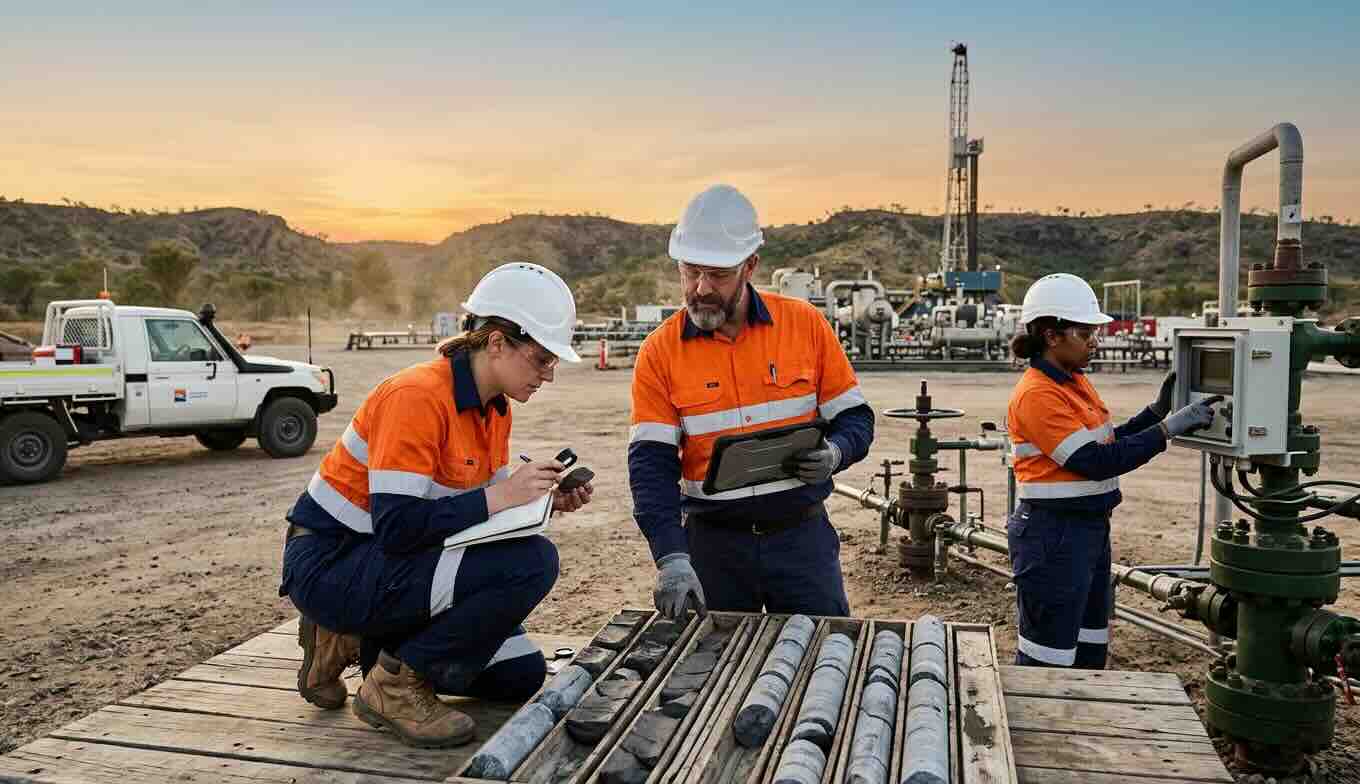
Omega's latest drilling announcement marks another encouraging development in its 2026/27 appraisal programme, reporting gas reaching the surface and its highest gas shows to date during drilling at Queensland's deepest well.
The announcement follows strong results from Canyon-3 and Canyon-4, which demonstrated extensive hydrocarbon-bearing formations across separate locations.
Canyon-3 intersected 170 metres of aggregate net pay across six stacked reservoirs, while Canyon-4 improved that result to 197 metres within a 589-metre gross hydrocarbon-bearing interval.
These results are particularly important because they support the presence of multiple potentially productive reservoirs across a broad geological system.
The latest gas indications provide further encouragement, although measured, sustained production rates remain necessary to establish commercial deliverability.
What Stands Out to Us
Omega's improving geological picture is becoming a defining feature of its exploration strategy.
Rather than relying on a single promising discovery, the company has progressively established evidence of hydrocarbon-bearing formations across multiple appraisal wells.
The emergence of the Lower Kianga Sandstone as an additional oil and gas target is particularly encouraging, potentially expanding development options beyond the original Canyon Sandstone focus.
Financial strength adds another advantage.
Omega finished September with $92.9 million in cash and no debt, providing substantial flexibility to continue its appraisal programme.
The company has indicated that its planned 2026/27 drilling, stimulation and flow-testing activities are fully funded.
For shareholders, this reduces immediate financing pressure while allowing the company to pursue milestones that could materially improve confidence in its resource base.
What Omega Is Doing Now
Omega is advancing its broader Taroom Trough appraisal programme, including drilling at Canyon North-1, which commenced on 21 October 2026.
The northern programme is designed to investigate reservoir continuity beyond the initial Canyon appraisal area.
Meanwhile, the addition of ATP 2082 has expanded Omega's operated acreage by 63%, creating further opportunities to assess the geological system.
Omega holds a 45% operated interest in the new permit alongside Tri-Star and Beach Energy.
The company is also preparing for horizontal drilling and flow testing, which could provide the production data needed to support future commercial development planning.
Insight: Could Omega's Expanding Resource Base Unlock Greater Commercial Value?
We think Omega's combination of increasingly consistent exploration results, substantial cash reserves and expanded acreage provides a compelling foundation for further project advancement. The latest gas indications reinforce an already encouraging geological picture, while the company's funded appraisal programme creates a credible pathway towards testing commercial potential. Importantly, its competitive advantage is emerging through resource scale rather than established production economics. Sustainable flow rates, development costs and recovery assumptions remain the critical uncertainties. Positive results from upcoming horizontal wells could significantly strengthen the commercial case and support a more robust assessment of project value.
What Happens Next?
Omega's next major opportunity lies in converting geological success into measurable production performance.
The company is targeting further appraisal results, updated resource assessments and horizontal well testing during 2027.
Successful stimulation and sustained flow testing would represent a meaningful step towards establishing development economics, while additional drilling could further clarify the scale of its resource base.
Although commercial production remains unproven, Omega enters its next phase with encouraging geological evidence, significant financial capacity and an expanding exploration footprint.
The coming appraisal results will determine whether that combination can support the development of a substantial new Australian oil and gas operation.


 Mark Elzayed•