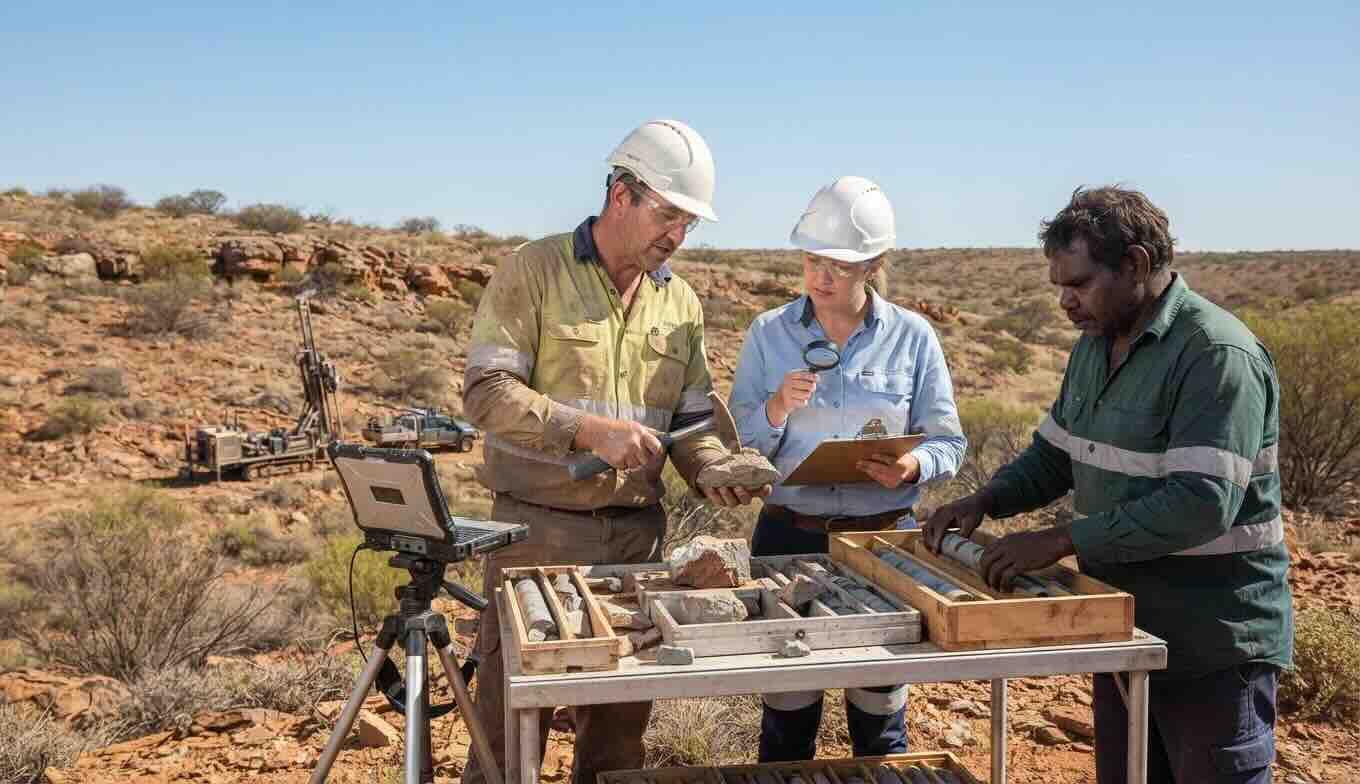
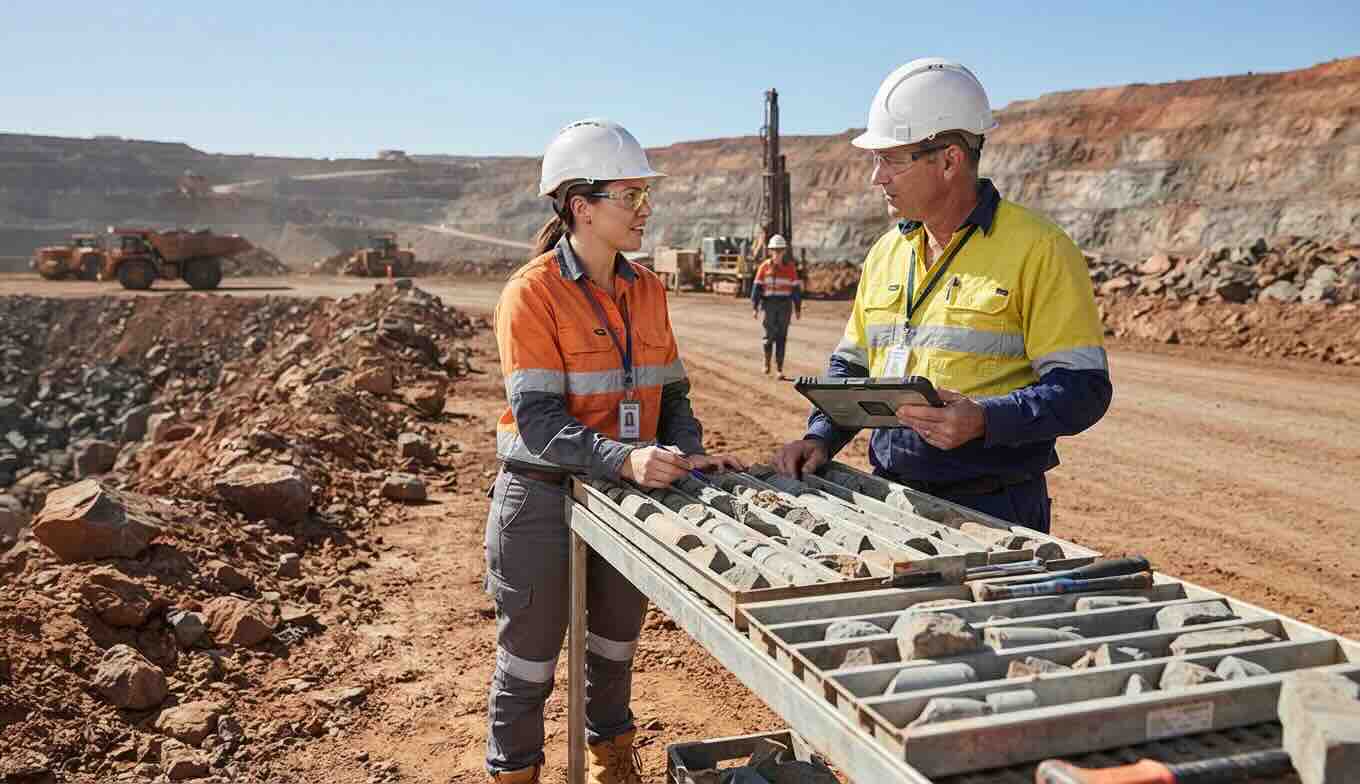
With approximately 1.7 million tonnes of contained nickel and a market capitalisation of just $12.2 million, Nico Resources Limited (ASX: NC1) presents an interesting contrast between resource scale and market valuation.
The company's flagship Wingellina nickel-cobalt project in Western Australia is advancing towards greater resource confidence, with drilling, metallurgical improvements and feasibility work creating potential catalysts for growth.
The opportunity is substantial. The next challenge is demonstrating how this enormous mineral inventory can translate into a commercially viable operation.
Key Numbers
- 187.3 million tonnes: Wingellina's 2024 Mineral Resource, grading 0.91% nickel and 0.06% cobalt.
- 1.698 million tonnes: Contained nickel, alongside approximately 106,000 tonnes of cobalt.
- 70% complete: Infill drilling progress at 30 September 2026, with 65 holes drilled for 4,300 metres.
- $4.318 million: Cash reserves at 30 September 2026, with no drawn debt facilities.
- $12.2 million: Approximate market capitalisation based on the $0.089 closing share price on 16 November 2026.
Wingellina Drilling Could Strengthen Project Economics
Nico's latest confirmed operational update, released on 28 October 2026, highlighted encouraging progress at Wingellina.
The company completed approximately 70% of its planned 94-hole, 6,062-metre reverse circulation drilling program by the September quarter's end.
The campaign aims to convert portions of the existing Indicated Mineral Resource into the higher-confidence Measured category, strengthening the technical foundation for future mine planning.
Approximately 2,400 composite samples were submitted for laboratory analysis, with initial results anticipated around mid-November.
A successful resource upgrade could improve production scheduling, geological certainty and confidence in future feasibility assessments.
Importantly, Wingellina already possesses considerable resource scale. The current program is focused on improving confidence in that resource rather than relying on an entirely new discovery.
What Stands Out: Processing Improvements Offer Additional Upside
Beyond resource size, Nico's metallurgical work could become an important driver of project value.
Preliminary testwork indicates that rejecting coarse material before processing could improve nickel head grade by approximately 10%.
This potentially allows higher-grade material to enter the processing circuit while reducing certain acid-consuming components.
For a proposed high-pressure acid leach operation, improvements in feed quality and acid efficiency could materially influence future operating costs.
Although commercial-scale validation remains necessary, the results provide a promising avenue for strengthening Wingellina's economic competitiveness.
Nico also maintained disciplined expenditure during the September quarter.
Operating cash outflows totalled approximately $181,000, while investing cash outflows were approximately $362,000.
Its reported funding runway of 7.95 quarters, calculated using historical expenditure, provides flexibility to advance technical work, although mine development would require substantially greater capital.
What Nico Resources Is Doing Now
Nico continues progressing resource definition, metallurgical optimisation and the technical work supporting Wingellina's definitive feasibility study.
The company is also exploring downstream commercial opportunities through its non-binding memorandum of understanding with Pure Battery Technologies.
The collaboration proposes evaluating an integrated nickel-cobalt refining platform, potentially connecting Wingellina's mineral resources with higher-value battery materials production.
While the partnership remains preliminary, it offers another potential pathway towards commercialisation.
Insight: Is Wingellina's Resource Value Being Overlooked?
We think Nico's strongest attraction lies in the combination of substantial nickel-cobalt resources, improving technical confidence and opportunities to optimise processing economics. Its approximately $12.2 million market capitalisation contrasts sharply with Wingellina's geological scale, although this does not establish undervaluation. The encouraging element is that Nico is working towards addressing the technical questions that determine whether its resources can become economically productive. Funding requirements, commodity prices and feasibility outcomes remain important uncertainties. Positive drilling results and stronger metallurgical evidence could meaningfully improve the project's development prospects.
What Happens Next?
The immediate catalyst is the release of initial Wingellina infill drilling assays, followed by completion of the remaining drilling program targeted for the December quarter.
Updated resource confidence, metallurgical performance and feasibility study progress will provide further evidence of Wingellina's commercial potential.
With a substantial established resource and several technical milestones approaching, Nico has a credible opportunity to strengthen its development case.
The defining question is whether these advances can establish a financially competitive, fundable nickel-cobalt project capable of converting Wingellina's geological scale into lasting commercial value.


 Mark Elzayed•