Downer EDI Limited (ASX: DOW) has secured a $1.1 billion electricity transmission contract in New South Wales, strengthening its position in Australia's expanding energy infrastructure sector and adding another substantial project to its growing work pipeline.
Announced on 23 November 2026, the agreement builds on Downer's improving profitability, stronger balance sheet and operational turnaround. With demand for electricity infrastructure accelerating, the contract could provide an important source of revenue and earnings growth over the next three years.
Key Numbers
- $1.1 billion: Hunter Transmission Project contract value over approximately three years.
- 110 kilometres: Planned double-circuit 500kV transmission line in NSW.
- $502.9 million: FY26 underlying EBITA, up 6.1% year-on-year.
- 5.1%: FY26 underlying EBITA margin, compared with 4.4% in FY25.
- $38.5 billion: Work-in-hand at 30 June 2026, up 9.7% year-on-year.
A Major Win in Australia's Energy Transition
Downer has secured the Hunter Transmission Project contract from Energy Corporation of NSW, working alongside Transgrid to deliver critical electricity infrastructure.
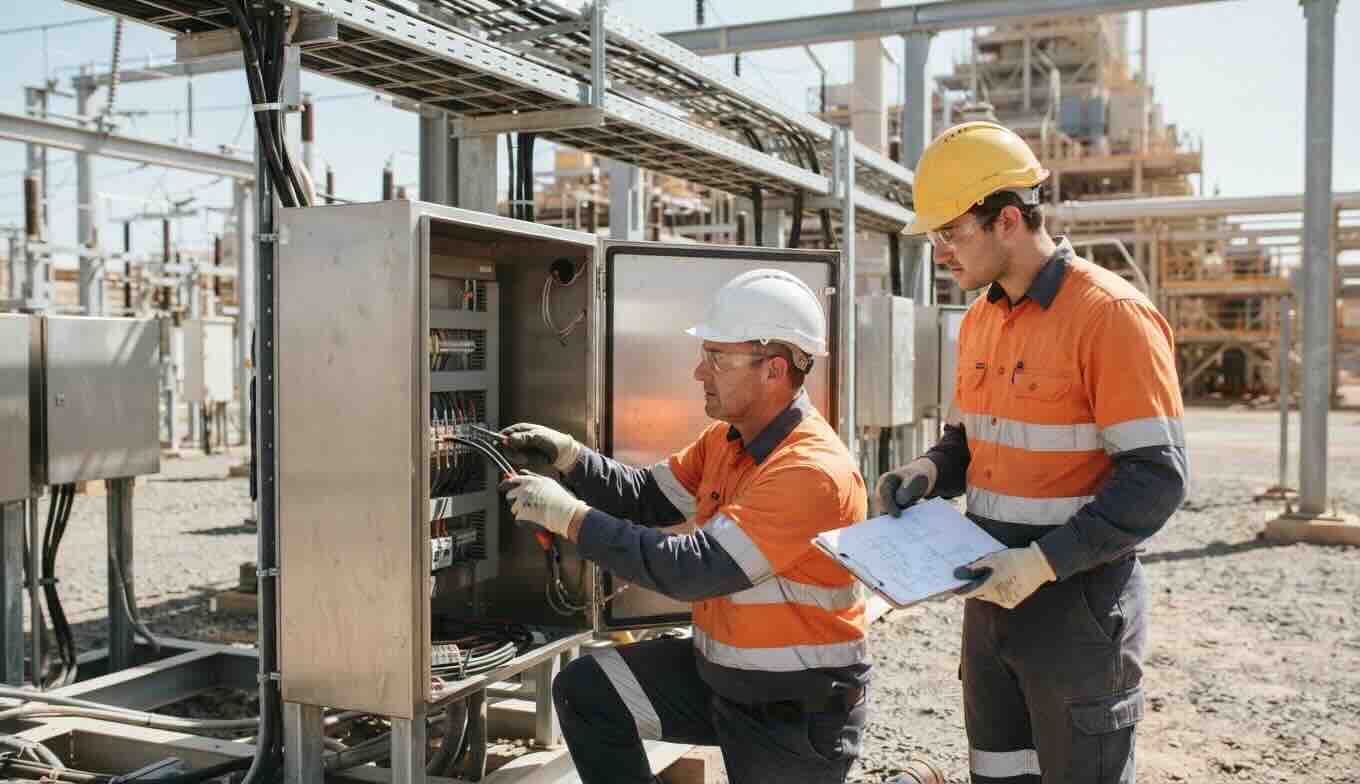
The project involves approximately 110 kilometres of high-voltage transmission lines connecting the Bayswater South and Olney switching stations.
Planning, design and procurement are expected to commence in December 2026, with construction mobilisation anticipated during 2027, subject to remaining approvals and project requirements.
The infrastructure will strengthen electricity transmission capacity and support the integration of renewable energy generation across NSW.
Importantly, the contract incorporates lump-sum components alongside variable mechanisms designed to manage construction uncertainties.
This approach could help Downer protect margins while delivering a complex infrastructure project, although the company has not disclosed expected project profitability.
What Stands Out to Us
The Hunter contract represents more than another addition to Downer's order book.
At its 11 November annual general meeting, management identified a transmission project worth approximately $1 billion for which Downer was one of two shortlisted bidders.
Securing the award demonstrates its ability to compete for major infrastructure opportunities.
Spread evenly across three years, the contract represents approximately $367 million in annual revenue potential, equivalent to around 3.7% of FY26 underlying revenue. Actual revenue recognition will depend on project delivery.
Downer's Energy & Utilities division also provides encouraging evidence of operational improvement.
The division delivered $140.9 million in FY26 pro forma EBITA, an increase of 20%, despite lower revenue.
This suggests that improved contract selection, operational efficiency and cost management are beginning to translate into stronger earnings.
The group's financial position has also improved, with net debt to EBITDA falling to 0.8 times and available liquidity reaching $1.8 billion at 30 June 2026.
However, FY26 free cash flow declined to $228.6 million, highlighting the importance of maintaining cash conversion as the project pipeline expands.
What Downer Is Doing Now
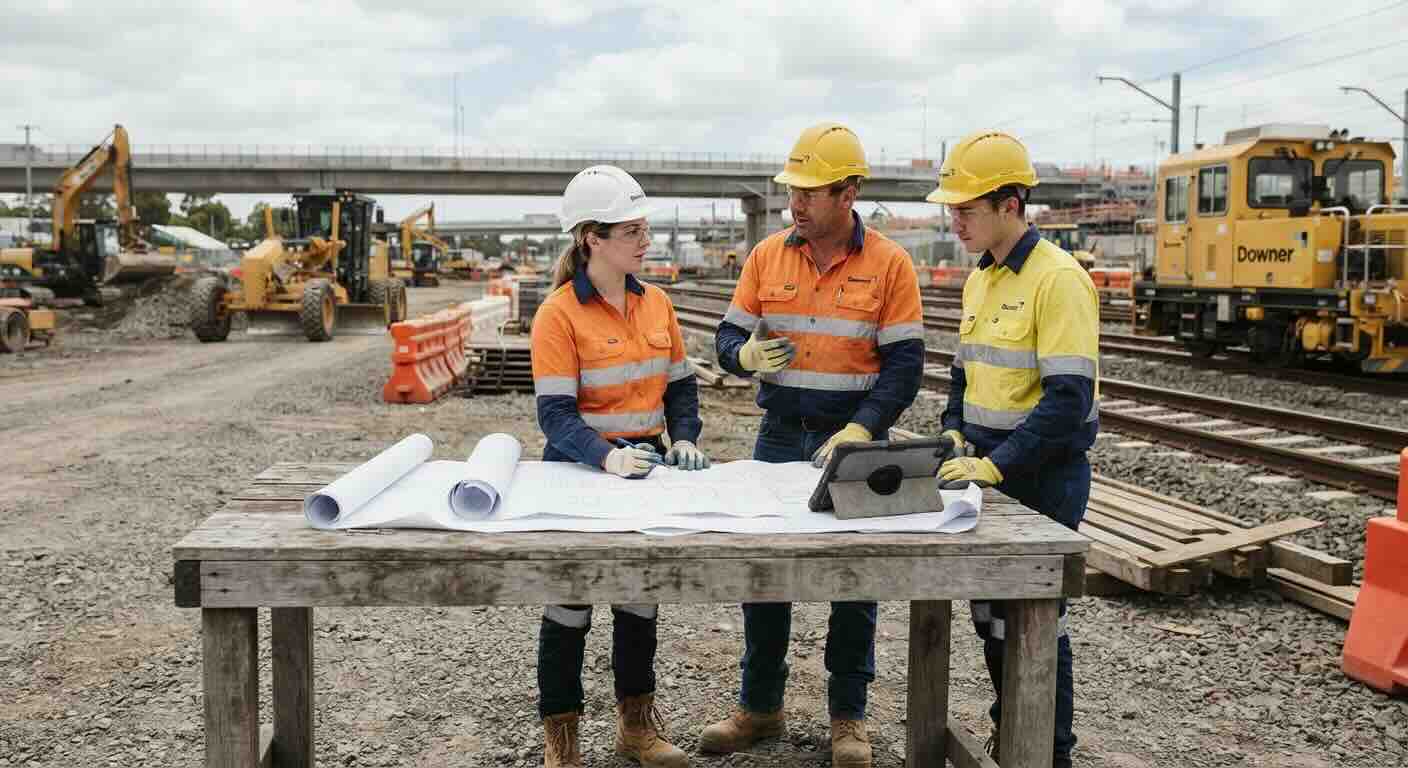
Downer continues to strengthen its position across energy, defence, transport, water and facilities management.
During FY26, the company secured approximately $12.2 billion in new work, including a $3.05 billion Defence Property and Asset Services contract.
Management also confirmed at its November AGM that the first four months of FY27 were broadly tracking expectations, supported by the ramp-up of major water and defence contracts.
The Hunter contract adds further revenue visibility while reinforcing Downer's exposure to long-term infrastructure expenditure.
Insight: Could Downer's Growing Contract Pipeline Drive Stronger Earnings?
We think Downer's latest contract strengthens the case for a sustained operational recovery. Its established engineering capabilities, extensive project experience and improving financial position provide a competitive advantage in Australia's expanding infrastructure market. The 20% increase in Energy & Utilities EBITA is particularly encouraging, demonstrating that profitability can improve even without revenue growth. While execution and working capital remain important considerations, Downer's substantial work pipeline and disciplined contract approach create a credible foundation for stronger earnings. The next opportunity is translating this momentum into consistent free cash flow.
What Happens Next?
Planning and procurement for the Hunter Transmission Project are expected to begin in December 2026, followed by construction mobilisation during 2027.
Downer's February 2027 half-year results will provide another important indication of its financial progress.
Management anticipates a softer first half before a stronger second-half performance as major contracts ramp up.
With improving margins, a strengthening balance sheet and $38.5 billion in work-in-hand at the end of FY26, Downer enters its next growth phase with considerable revenue visibility.
The Hunter contract reinforces that momentum, positioning the company to benefit from Australia's continuing investment in essential infrastructure while pursuing further improvements in profitability and cash generation.

 Mark Elzayed•