Ryman Healthcare (ASX: RYM) is demonstrating the commercial potential of its business transformation, with stronger aged care profitability, rising occupancy and improving retirement village sales driving a substantial recovery in operating earnings.
Its half-year results released on 25 November 2026 suggest the retirement living and aged care provider is building a more capital-efficient business, with considerable scope to improve returns from its established village portfolio.
Key Numbers
For the six months ended 30 September 2026:
- Revenue increased 12% to NZ$464.1 million.
- Operating EBITDAF surged 56% to NZ$62.4 million.
- Annualised aged care operating earnings per bed increased 59% to NZ$24,300.
- Cash flow from existing operations before interest and non-operating costs rose from NZ$5.1 million to NZ$30.8 million.
- Positive free cash flow of NZ$49.2 million was recorded.
Aged Care Emerges as a Major Growth Driver
Ryman's aged care division accounted for 92% of the improvement in group operating EBITDAF, supported by stronger accommodation pricing, higher occupancy and operational efficiencies.
Occupancy increased from 91.1% to 94.1%, allowing the company to generate additional revenue from its established infrastructure without significant new capital investment.
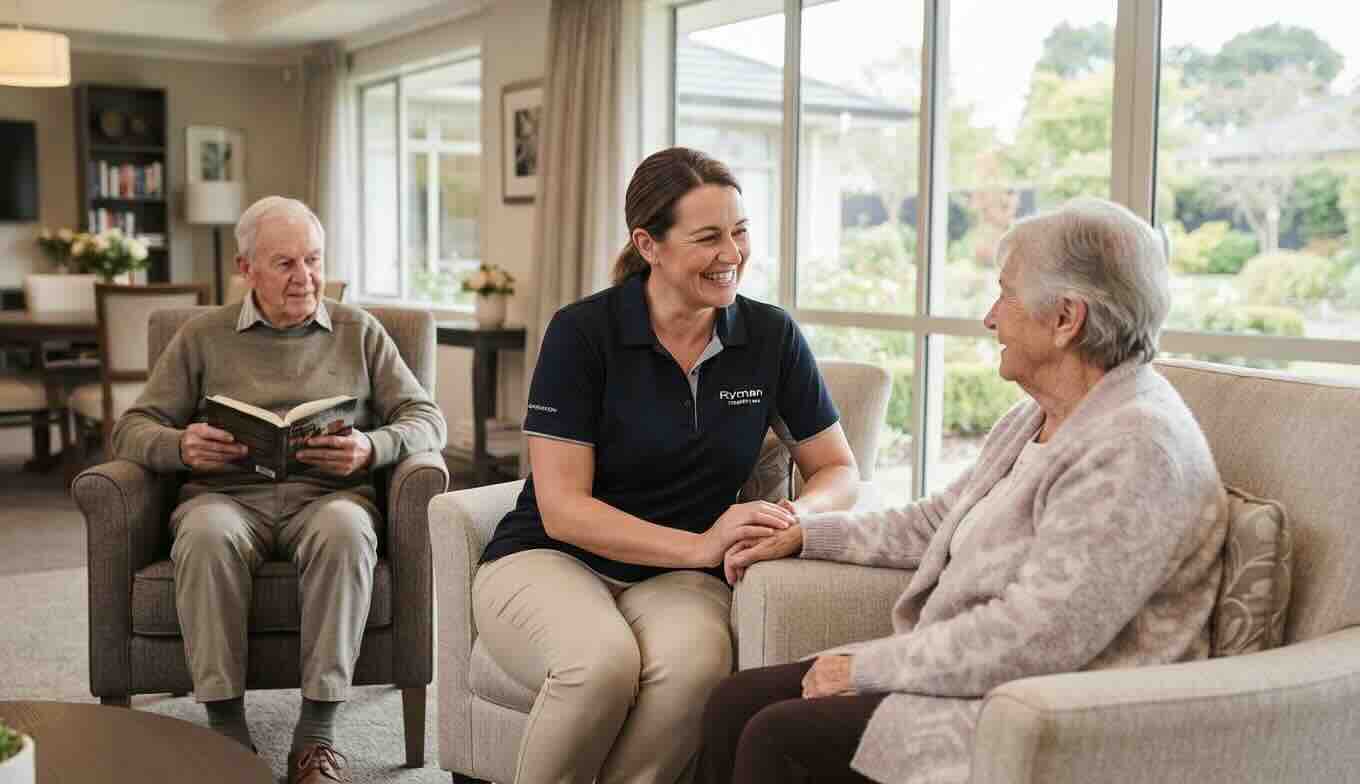
Ryman's integrated retirement living and aged care model provides a competitive advantage by allowing residents to transition between different levels of care within their village community.
The company also generates approximately twice as much aged care revenue per bed in Australia as in New Zealand, highlighting the potential benefits of future New Zealand aged care funding reform.
What Stands Out to Us
The significant improvement in underlying operating cash generation is arguably one of the most encouraging developments.
Cash flow from existing operations before interest and non-operating costs increased more than sixfold, while the loss before tax and fair value movements narrowed from NZ$43.4 million to NZ$25.9 million.
Retirement village resale volumes also increased 7% to 577, demonstrating continued demand for Ryman's accommodation offering, although resale margins declined to 14.2%.
Challenges remain, with the statutory net loss widening to NZ$71.2 million, partly reflecting a NZ$46 million investment property fair value loss.
Existing operations also recorded a NZ$19 million cash outflow after interest and other costs. Nevertheless, improving operating profitability provides a stronger foundation for addressing this shortfall.
With reported net assets of approximately NZ$4.02 billion, Ryman's established property portfolio provides substantial asset backing. Its ability to improve cash returns from these assets will be central to supporting its valuation.
Ryman Is Building a More Capital-Efficient Business
Ryman has significantly reduced its construction exposure, with just one development site currently under construction.
Capital expenditure declined from NZ$122.1 million to NZ$70.7 million, while contracted and completed land disposals reached NZ$183 million against a NZ$250 million target.
Actual land sale proceeds received to date total NZ$77 million, with further settlements expected to support capital release.
The company is also expanding its Resident Fund across New Zealand and redesigning Australian development sites to accommodate phased construction.
With gearing at 27.8% and approximately NZ$700 million in borrowing headroom following its planned December bond repayment, Ryman appears better positioned to pursue its transformation while maintaining financial flexibility.
Insight: Ryman's Established Villages Could Unlock Greater Value
We think Ryman's most compelling opportunity lies in generating stronger financial returns from its existing village network. Rising occupancy, improving aged care profitability and disciplined capital expenditure demonstrate that meaningful earnings growth is achievable without aggressive development. Its established infrastructure, integrated care model and exposure to an ageing population provide a credible foundation for long-term growth. While sustainable cash generation remains an important milestone, the latest results suggest management's transformation strategy is gaining traction. Continued operational improvements and potential aged care funding reform could further strengthen the business's financial outlook.
What Happens Next?
Ryman is targeting NZ$150 million in sustainable cash flow improvements and NZ$500 million in capital release by FY29, with management expecting to progress beyond the halfway point towards both targets by the end of FY27.
Continued occupancy growth, stronger aged care margins and further land sale settlements will be important catalysts.
The next major milestone will be achieving positive cash flow from existing operations independently of development activities. If Ryman maintains its current operational momentum, its transformation could deliver a more profitable, financially resilient and capital-efficient retirement living business.

 Alison Elzayed•