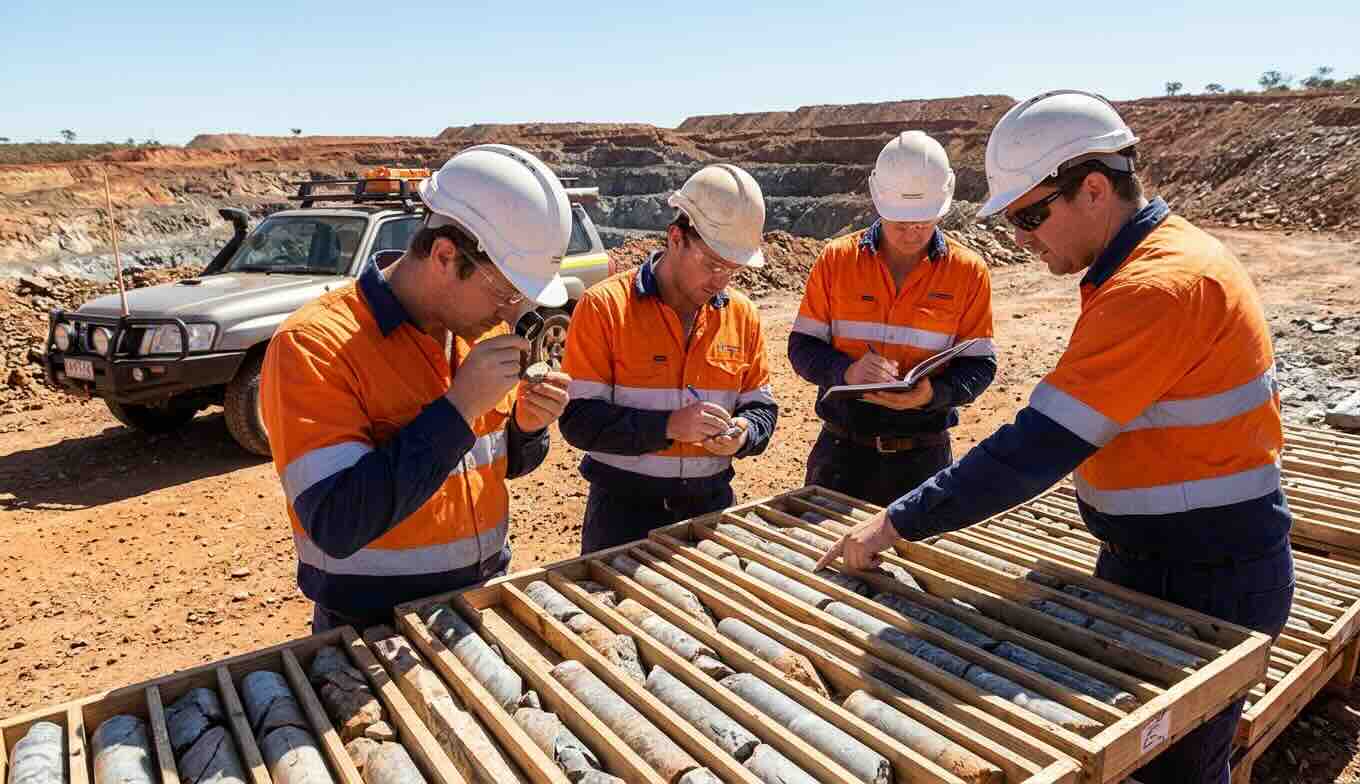
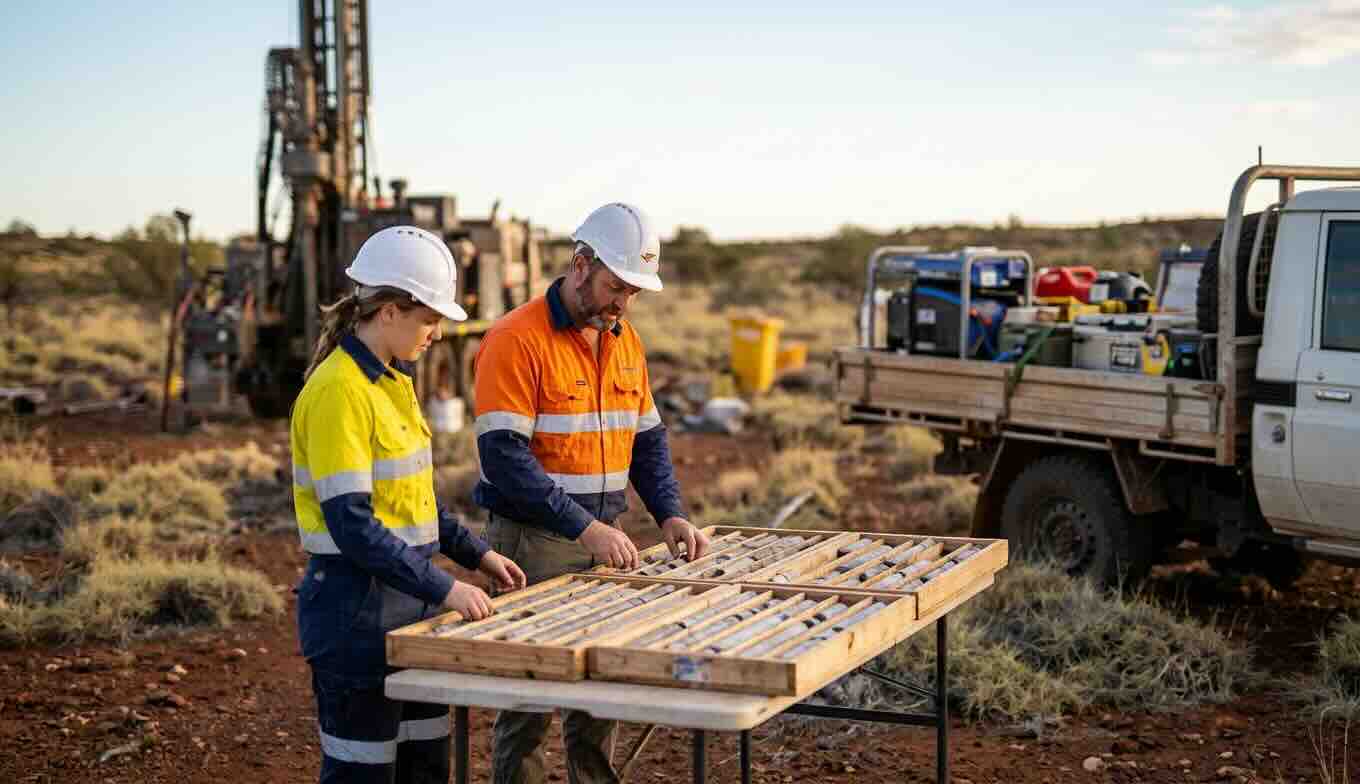
Barton Gold Holdings (ASX: BGD) has upgraded the geological confidence of its Tunkillia Gold Project in South Australia, bringing 989,000 ounces into the Measured and Indicated categories.
The 11 November 2026 resource update strengthens the foundation for the project's pre-feasibility study, but it does not establish a larger overall gold deposit. The real commercial question is whether Barton can convert its better-defined resources into economically mineable reserves and ultimately justify the $1.4 billion valuation outlined in its earlier scoping study.
Key Numbers
- 1.5 million ounces: Updated Tunkillia gold resource across 59.5 million tonnes grading 0.78 grams per tonne.
- 989,000 ounces: Measured and Indicated gold resources, including 151,000 ounces in the highest-confidence Measured category.
- 14%: Increase in Measured and Indicated gold within existing scoping study pit shells, from 724,000 to 822,000 ounces.
- 2.76 million ounces: Updated Tunkillia silver resource, reported as a by-product of gold mineralisation.
- $23.2 million: Unrestricted cash at 30 September 2026, against estimated upfront Tunkillia development expenditure of $399 million.
Latest Resource Upgrade Changes the Development Picture
Following 57,653 metres of drilling across 520 holes, Barton has materially improved confidence in the gold inventory supporting its proposed Tunkillia operation.
Within existing scoping study pit shells, approximately 81% of contained gold is now classified as Measured or Indicated.
Importantly, total contained gold within those shells decreased only 2%, from 1.035 million to 1.011 million ounces, while average grades improved marginally from 0.82 to 0.83 grams per tonne.
The revised estimate also identifies 131,000 ounces of Indicated gold outside those pit shells, providing potential scope for future mine-plan optimisation.
However, Tunkillia's total reported resource is now approximately 1.5 million ounces, compared with about 1.6 million ounces previously. The achievement is therefore improved resource confidence rather than growth in total contained gold.
What Stands Out to Us
Barton's May 2025 optimised scoping study outlined approximately 120,000 ounces of annual gold production, upfront capital expenditure of $399 million and all-in sustaining costs of $2,222 per ounce.
At an assumed gold price of $5,000 per ounce, the study estimated a pre-tax net present value of approximately $1.4 billion using a 7.5% discount rate.
These figures suggest potentially attractive economics, but they remain preliminary and sensitive to gold prices, operating costs and development expenditure.
Funding is another consideration.
Barton reported $8.47 million in net operating cash outflows for the September quarter. Its cash balance is sufficient to support ongoing studies, but falls substantially short of the estimated construction requirement.
What Barton Gold Is Doing Now
Barton is advancing Tunkillia's pre-feasibility study, environmental surveys, infrastructure planning and potential financing arrangements.
It is also evaluating higher-grade shallow mineralisation, including 36,000 ounces grading 2.04 grams per tonne currently classified as Inferred.
Separately, the company is progressing a definitive feasibility study for restarting operations at Challenger, where the underground resource recently increased to approximately 230,000 ounces grading 3.65 grams per tonne.
Its existing Central Gawler Mill offers a potential processing advantage, although restart economics remain subject to further study.
Insight: Can Resource Confidence Translate Into Project Value?
We think Barton's latest upgrade meaningfully reduces geological uncertainty, particularly around the higher-confidence resources supporting Tunkillia's proposed early production schedule. However, stronger resource classification does not automatically improve project profitability. The $1.4 billion scoping-stage valuation remains conditional on favourable gold prices, capital costs, recoveries and successful financing. Barton's existing infrastructure and broader 2.2-million-ounce company-wide gold inventory provide strategic flexibility, but funding remains the central challenge. Our assessment is constructive on technical progress, while the economic case still requires confirmation through feasibility studies and credible financing arrangements.

 Mark Elzayed•