Osmond Resources (ASX: OSM) is opening a potentially more lucrative commercial opportunity at its Orión EU Critical Minerals Project in Spain by advancing plans to produce separated rare earth oxides.
The completion of the first phase of its downstream processing study with Spanish engineering group Técnicas Reunidas marks an important step towards establishing an integrated European rare earth supply chain.
By expanding beyond mineral concentrate production, Osmond could capture greater value from its resources while strengthening its position within Europe's critical minerals sector.
Key Numbers
- Six individual rare earth oxide products targeted under the second phase of the downstream study.
- Up to 95% targeted recovery rates for neodymium and praseodymium.
- Approximately 85% targeted recovery rates for heavy rare earths.
- US$2.309 billion indicative post-tax net present value from the existing mining scoping study.
- More than $6.5 million in estimated pro forma cash following recent funding initiatives.
Unlocking Greater Value Through Downstream Processing
On 24 November 2026, Osmond confirmed it would advance the second phase of its downstream processing study, targeting the production of individual rare earth oxides rather than mixed rare earth carbonate.
The commercial opportunity is particularly interesting because the existing mining scoping study assumes 50% payability for rare earth oxides contained within its monazite concentrate.
Producing separated oxides could enable Osmond to capture a greater proportion of their underlying commodity value.
The targeted products include neodymium, praseodymium, dysprosium, terbium, gadolinium and yttrium oxides, several of which are essential to permanent magnet manufacturing and advanced technologies.
While processing economics require further validation, the collaboration with Técnicas Reunidas provides an encouraging foundation for downstream development.
What Stands Out to Us
Orión's combination of mineral diversity, potentially attractive project economics and strategic European location stands out.
The project's maiden mineral resource comprises 60 million tonnes grading 9.39% titanium dioxide, 3.06% zirconium dioxide and 6,274 parts per million total rare earth oxides.
Multiple potential revenue streams could strengthen project economics and reduce dependence on individual commodities.
The importance of downstream processing becomes clearer when examining the October scoping study. Under an alternative scenario where only four magnet-related rare earth oxides are payable, the indicative post-tax NPV falls to US$1.113 billion.
This highlights the potential commercial significance of maximising mineral recoveries and product payability.
Osmond has also strengthened its financial position through a $3.75 million placement, of which $450,000 remains subject to shareholder approval.
The company ended September with approximately $3.2 million in cash, following combined operating and investing cash outflows of $2.688 million during the quarter.
Although the estimated US$299 million initial mining capital requirement remains substantial, strategic industrial partnerships and government funding could support future development.
The preliminary project valuation is encouraging, although Osmond's 76% beneficial ownership, resource confidence, funding requirements and development risks must be considered when assessing its equity value.
What Osmond Resources Is Doing Now
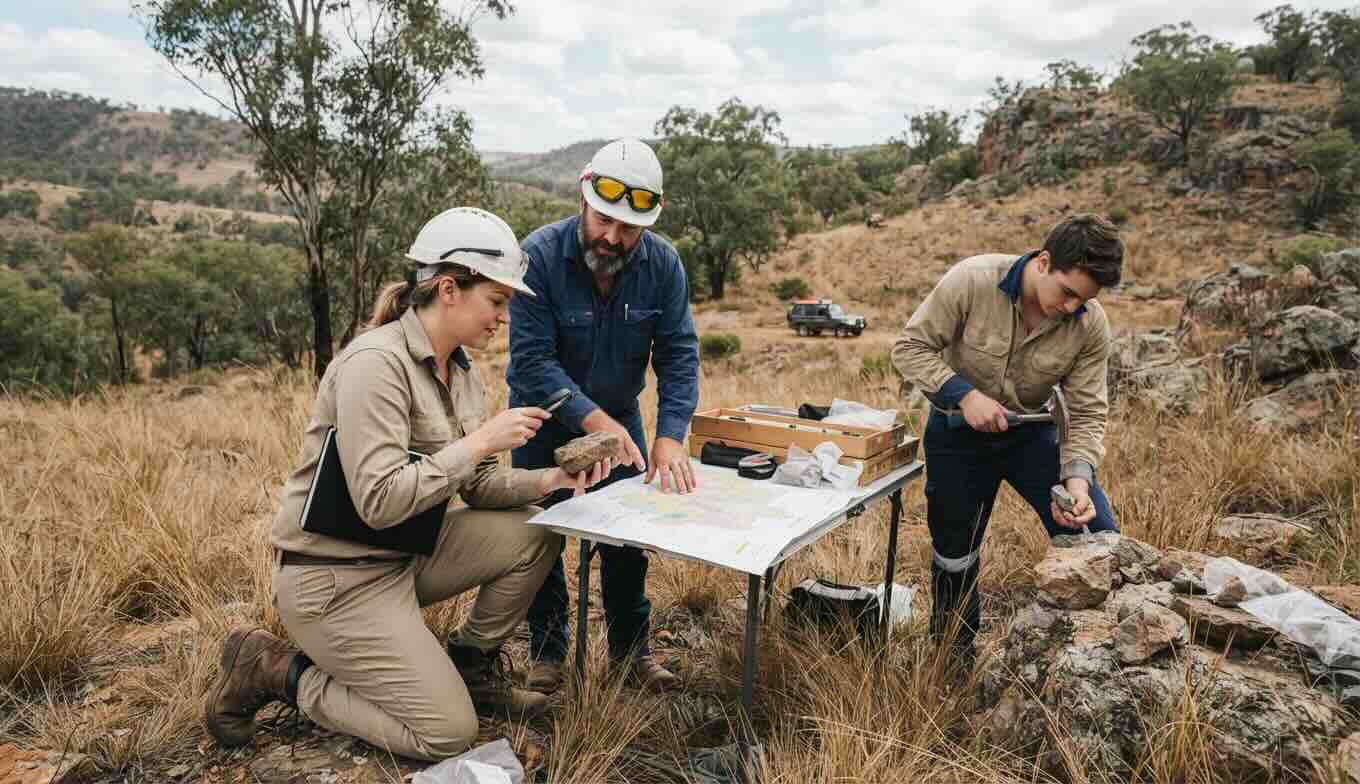
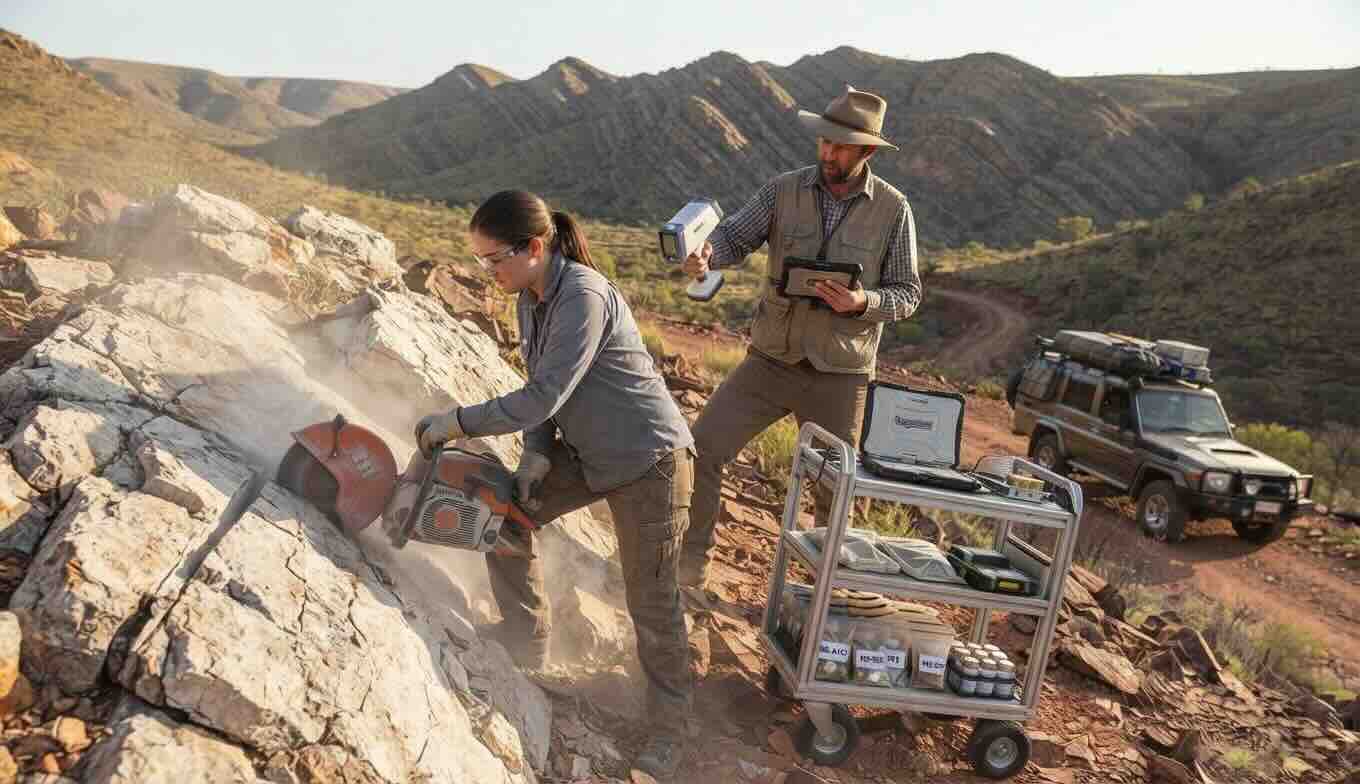
Osmond is progressing metallurgical testwork using five tonnes of material from Orión, targeting at least 50 kilograms of monazite concentrate for its second-phase downstream study.
The company is also accelerating drilling, with a third rig arriving in November. The first three holes of the latest programme intersected prospective geological formations, with assay results pending.
Further exploration success could strengthen resource confidence and potentially extend the modelled nine-year mine life.
Meanwhile, Osmond and Técnicas Reunidas are pursuing Spanish industrial partnerships to support the establishment of a domestic permanent magnet supply chain.
Insight: Could Osmond Become an Integrated European Rare Earth Producer?
We think Osmond's greatest opportunity lies in combining its diversified mineral resource with downstream processing capabilities. Its European location and collaboration with an established engineering group provide a promising platform for attracting industrial partners and strategic funding. The potential to improve product payability could meaningfully enhance project economics beyond the existing mining development scenario. While capital requirements and processing costs remain important considerations, successful metallurgical results and credible commercial partnerships could strengthen the case for Orión becoming a valuable integrated critical minerals operation.

 Mark Elzayed•